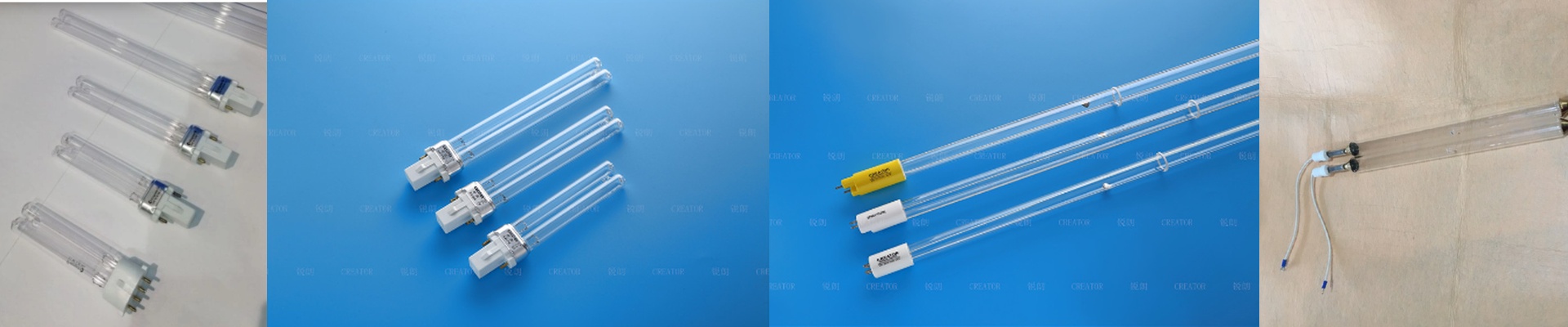
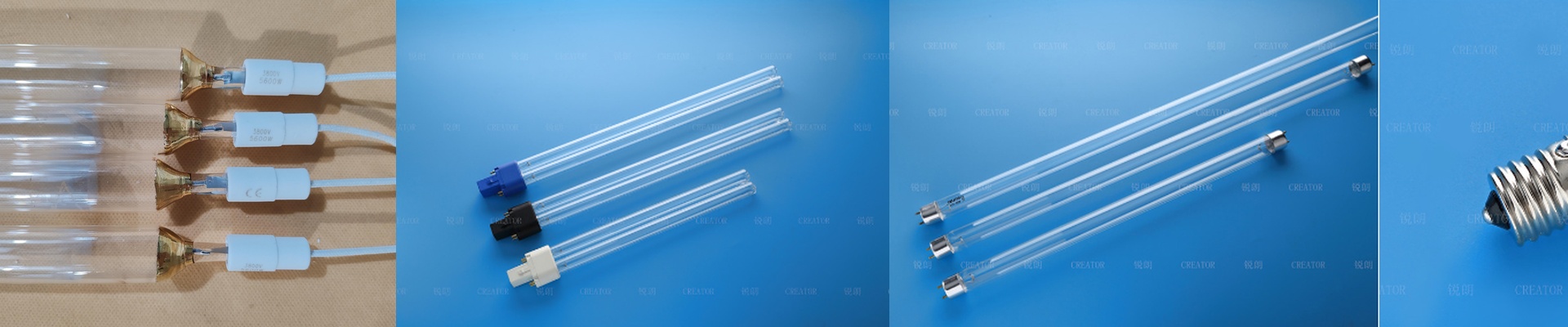
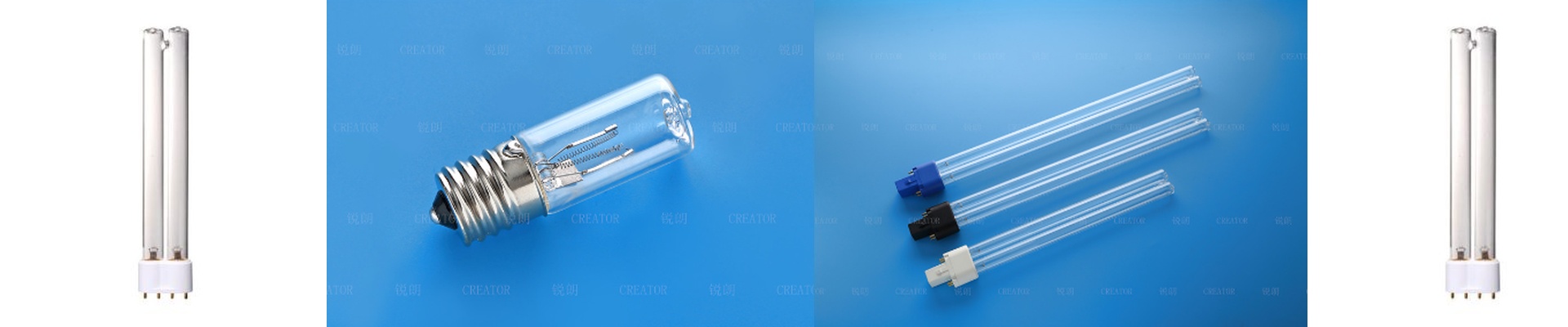
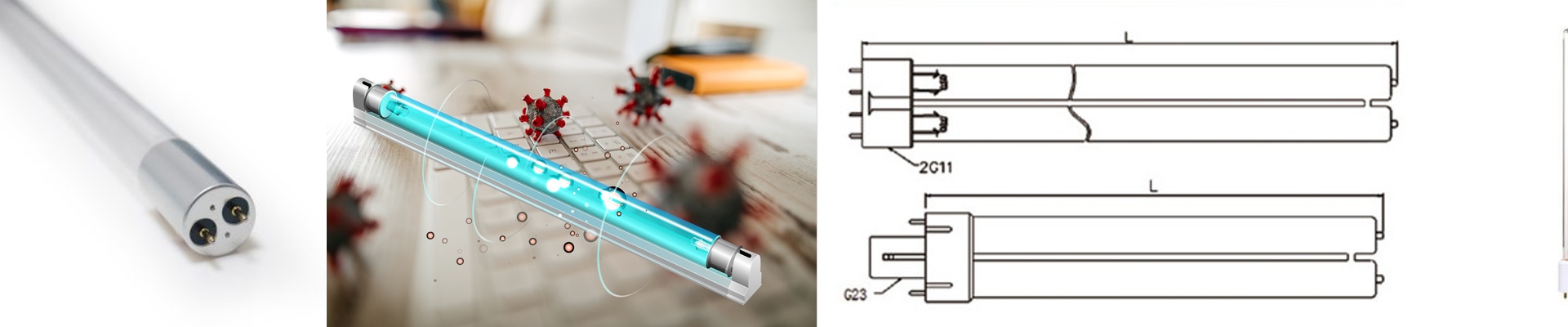
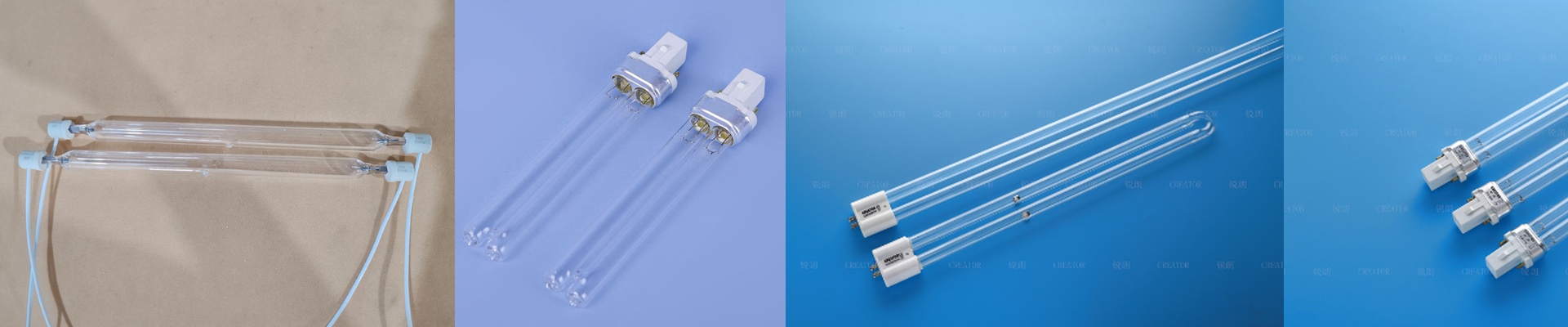
Why the “Cheap” UV Lamp is a Huge Gamble for Your Exports
If you’re putting together a UV sterilization or curing system for a client overseas, the hardware is actually the easy part. The real headache? The intellectual property. Here is the truth: using generic, non-patented UV lamps is like playing Russian roulette with customs. Especially in the EU or North America, if your lamps infringe on a patent, your entire shipment could be seized. Or worse, you could find yourself staring at a lawsuit you didn’t see coming.
The science of staying consistent
We don’t just buy lamps and slap our name on them. We actually design the electrode shapes and the gas mixes ourselves to hit those exact microwatt peaks. Most “standard” lamps are flaky. They drift in wavelength, which means your curing might be incomplete or your sterilization might just… fail. We spent a lot of time perfecting our quartz doping and filament structure so the output stays rock solid for the life of the lamp. You get a steady UVC stream, not the erratic performance you get with white-label parts.
Sleeping better at night (and at the border)
Getting a CE mark is great, but it isn’t a magic shield. You need a clean paper trail of who actually owns the tech. Because we own our patents, there’s no “middleman” risk. You don’t have to worry that you’re accidentally importing a design someone stole from a competitor. It keeps your reputation clean and your footprint in foreign markets safe.
Let’s talk about the money
Yeah, patented tech costs more upfront than a generic tube. There’s no way around that. But think about it this way: what’s the cost of one customs hold? Or a legal injunction that shuts down your distribution? That “saving” on a cheap lamp disappears the second your equipment gets blocked at the border. If you’re wiring up an industrial line for a client abroad, just double-check where your UV source comes from. It’s the only way to make sure your gear actually arrives where it’s supposed to.