Getting the Energy Right for Industrial UV Curing
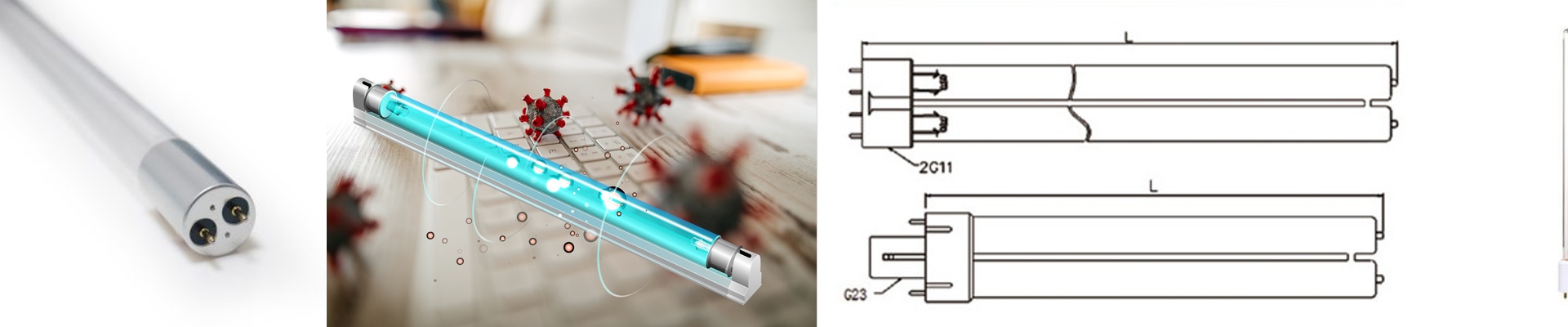
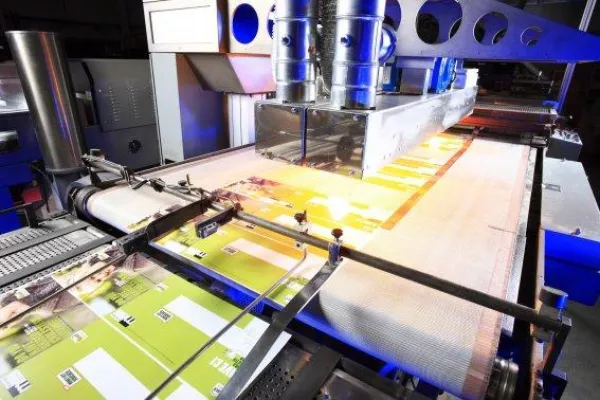
Think of UV lamps as the spark. They provide the exact kind of energy needed to turn wet inks and coatings into hard, durable surfaces. We basically take electricity and turn it into short-wave ultraviolet radiation, which forces those liquid monomers to snap together into solid polymer chains. It happens in seconds.
The Balancing Act
The magic happens inside the quartz envelope with a specific gas mixture. For most curing jobs, we’re looking at the UVC and UVB spectrums. But here’s the thing: high-wattage tubes gethot. Really hot. You have to find the sweet spot between your power density and how fast your conveyor is moving. If you just crank up the wattage to speed up the line, you might end up warping your materials. It’s all about matching the lamp’s output to the photoinitiator in your ink. Get it wrong, and you’re left with a tacky surface or a coating that’s been over-baked.
The Gear
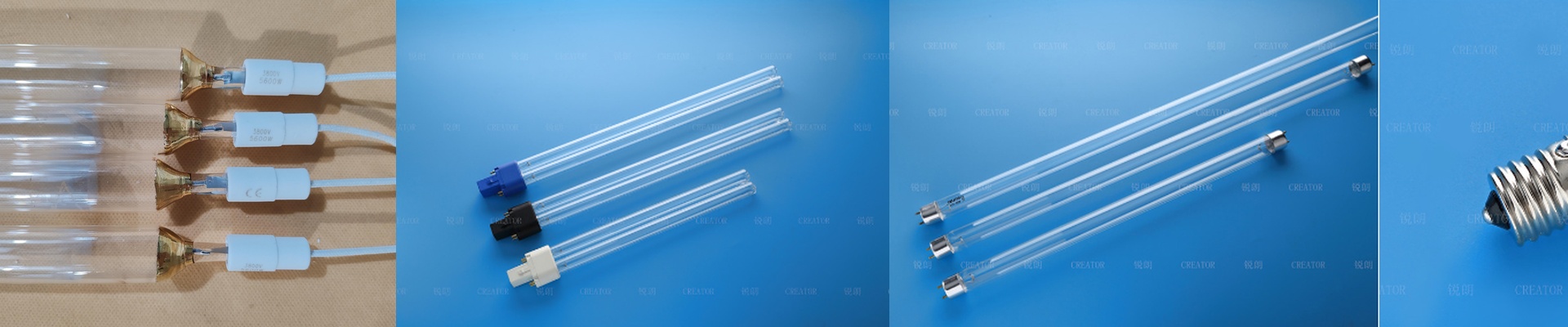
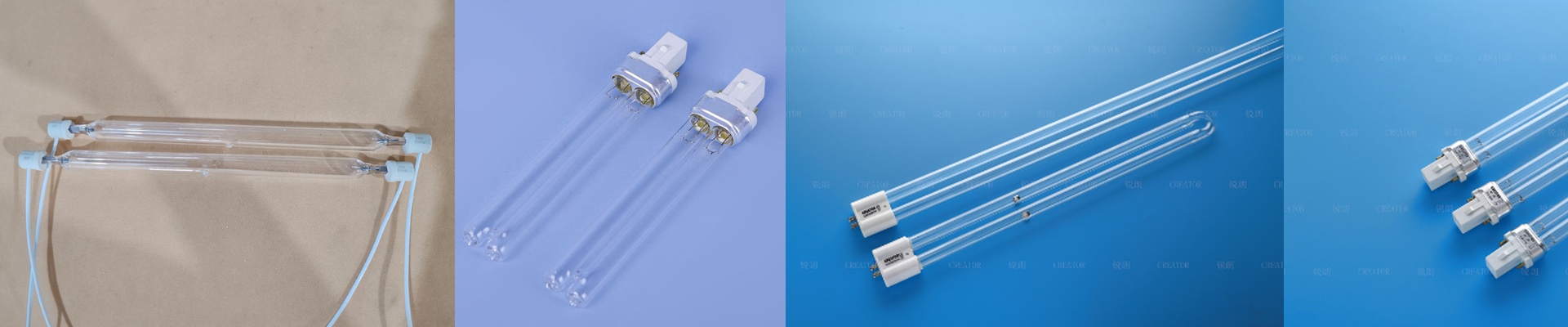
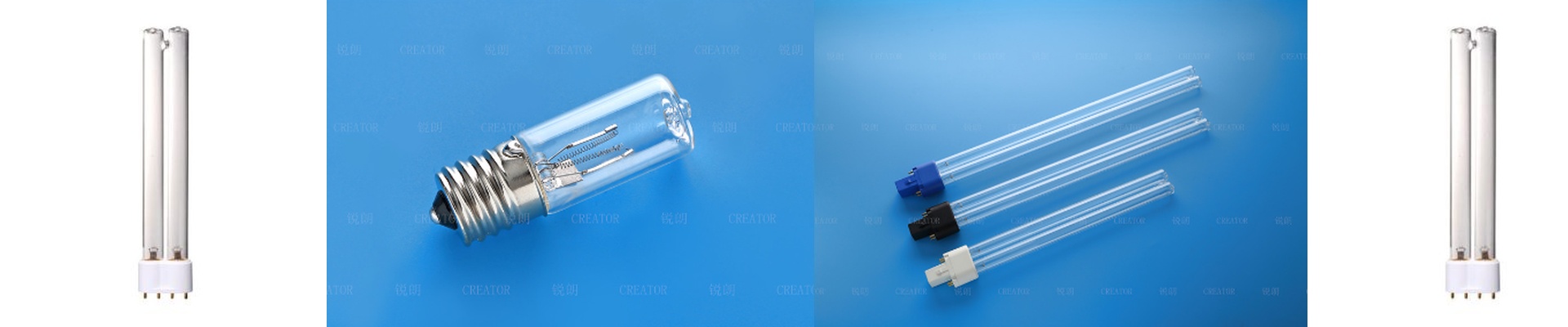
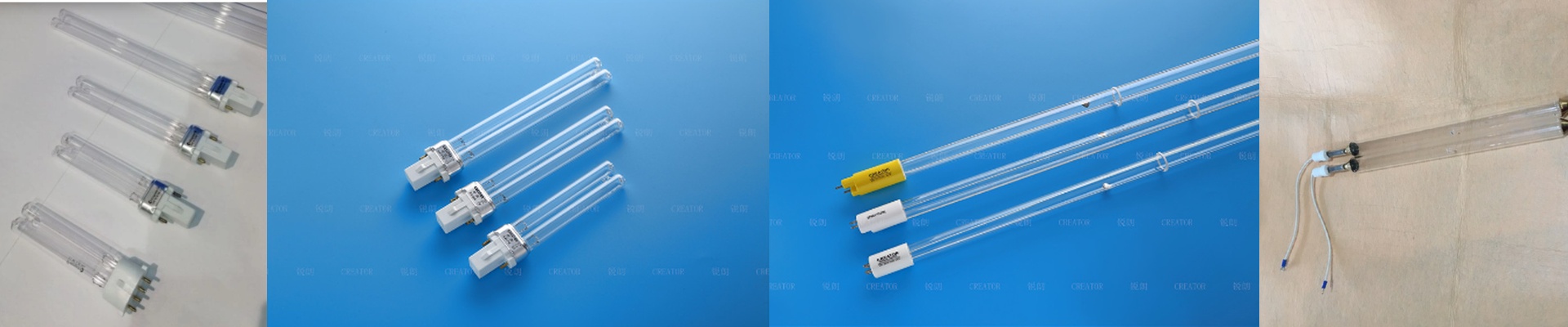
We use high-purity fused quartz for the tubes because standard glass just blocks the UV rays. Quartz lets them fly right through. Depending on what you’re curing, you might need “doped” lamps. These shift the spectral peak, which helps the light soak deeper into thicker coatings. When it comes to installation, don’t skimp on the sockets—they have to handle that heat. And double-check your ballast. If the starting voltage doesn’t match the lamp, you’ll burn out your electrodes way sooner than you should.
Real-World Trade-offs
These lamps are total workhorses, but they aren’t “set it and forget it.” They wear out. You’ll notice a dip in those milliwatts per square centimeter as the electrodes age. We build them to last, but if you run them at the absolute limit of their thermal specs, you’re cutting their life short. And please,keep the reflectors clean. It sounds simple, but a thin layer of dust can kill your efficiency by 20%. That means you’ll have to slow down your entire production line just to get the same cure. Not a great way to run a business.