Building UV Systems That Actually Last (And Don’t Trash the Planet)
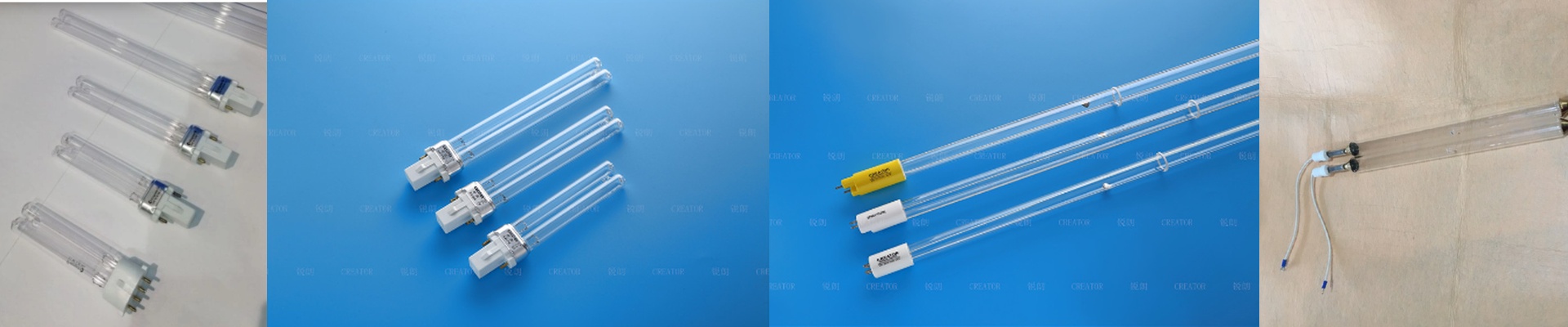
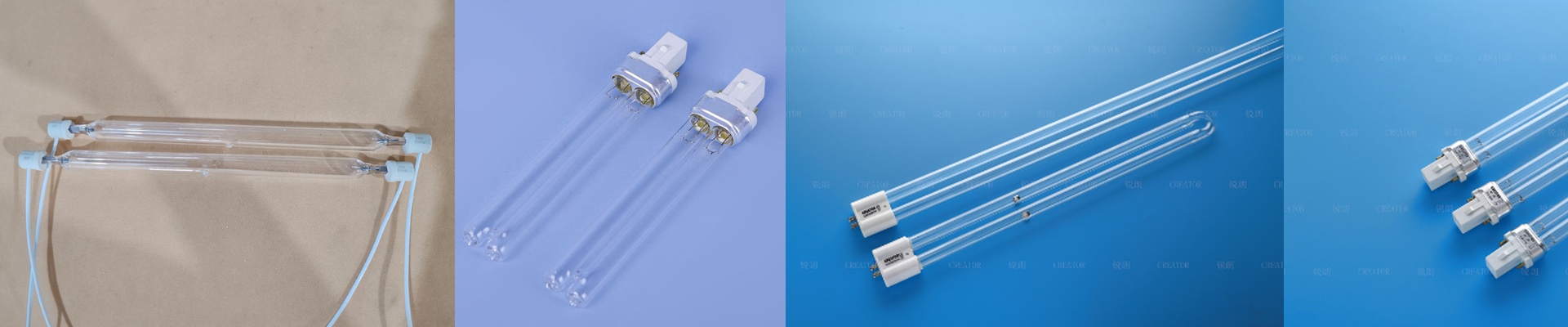
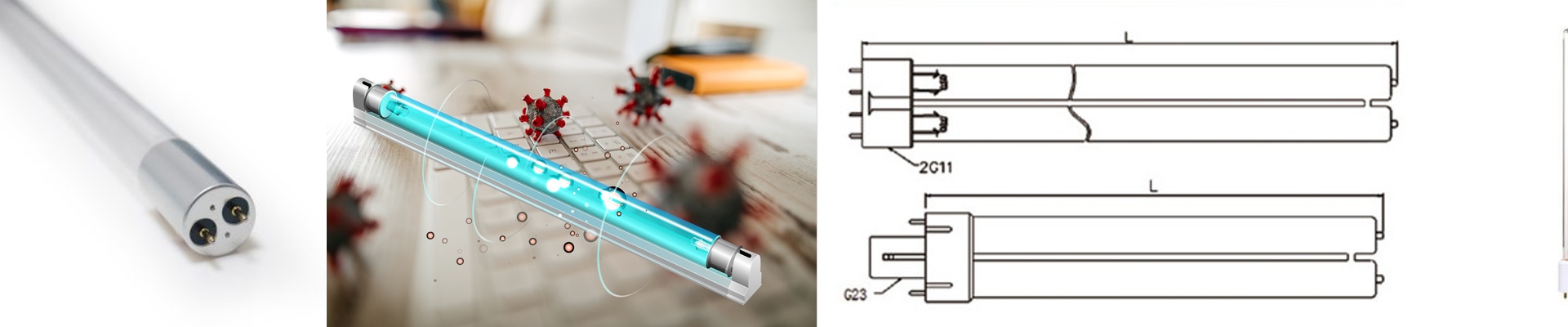
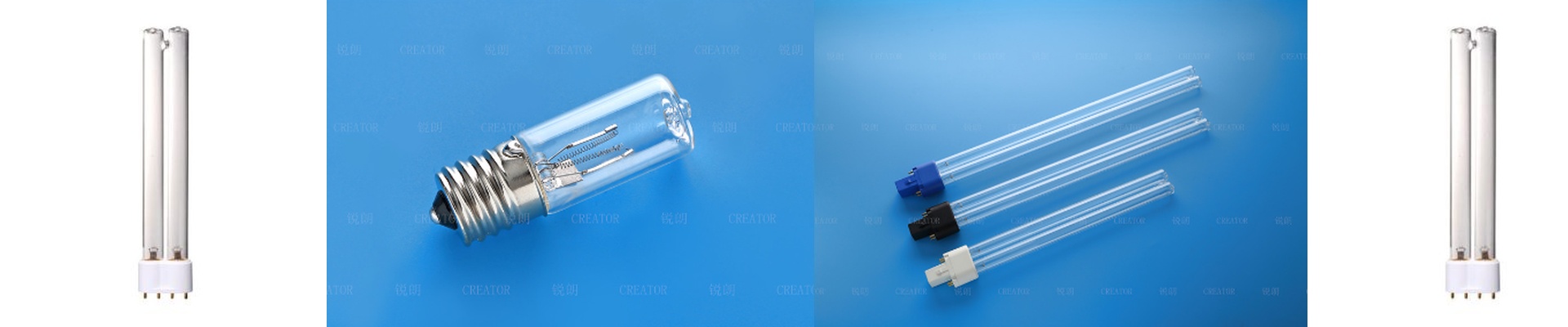
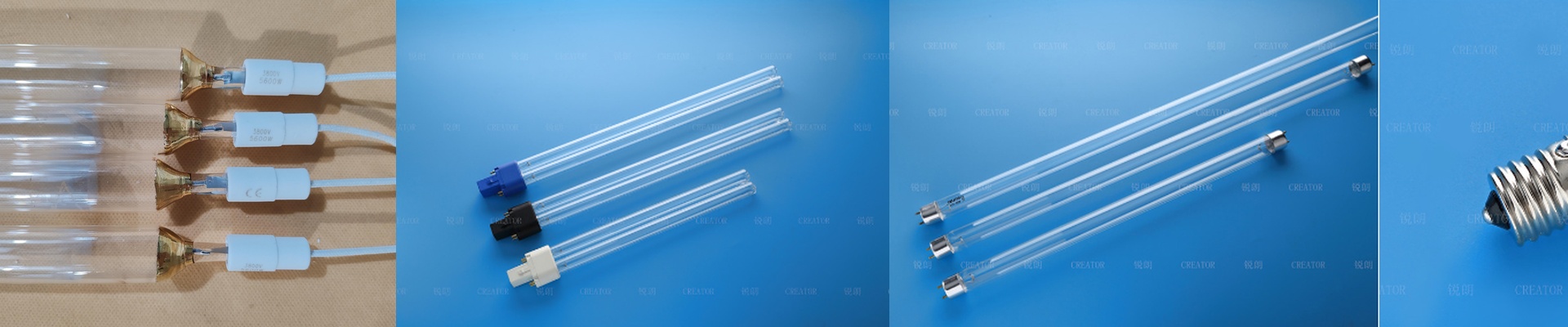
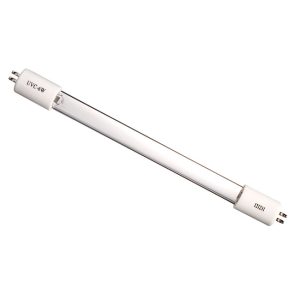
Let’s be honest: nobody likes swapping out UV lamps. It’s a chore. It’s messy. And the constant cycle of tossing old tubes into the bin feels wrong. We decided to stop designing for the landfill and start designing for the long haul. The goal is simple: zero pollution and way less downtime. Why do lamps keep dying? Usually, it’s a two-part problem. The electrodes wear out, or the glass starts to “cloud over”—what the engineers call solarization. It’s like a window getting foggy, and once that happens, your UVC output tanks. To fix this, we switched to high-purity synthetic quartz. It stays clear. It stays strong. We also tweaked the gas fill and the metal in the electrodes so the bulbs don’t just quit on you after a few thousand hours. You get a lot more runtime before you even have to think about the sterilization threshold. Cleaning up the footprint Old-school systems are often full of stuff that shouldn’t be in the ground. We’ve stripped all that out. We’re moving toward mercury-free options and sealed-beam designs to keep leaks from happening. Even the housing is made from recyclable alloys, and we use lead-free solder for the guts of the machine. When the system finally reaches the end of its life—years from now—it won’t leave a toxic trail behind. The real-world trade-off Here is the catch. Because we’re using high-end quartz and eco-friendly coatings, the initial peak wavelength might look a little different than those cheap, disposable lamps. It’s not a dealbreaker, but you will need to spend a few minutes recalibrating your sensors to match the new output curve. But once you’ve dialed that in? You’re golden. These are drop-in replacements, so you don’t have to tear apart your existing racks or rebuild your chassis. You just plug them in and get back to work. Less time spent on the shop floor messing with bulbs. More time actually running your production. That’s how it should be.