Getting UV Sterilization Right for Printed Fabrics
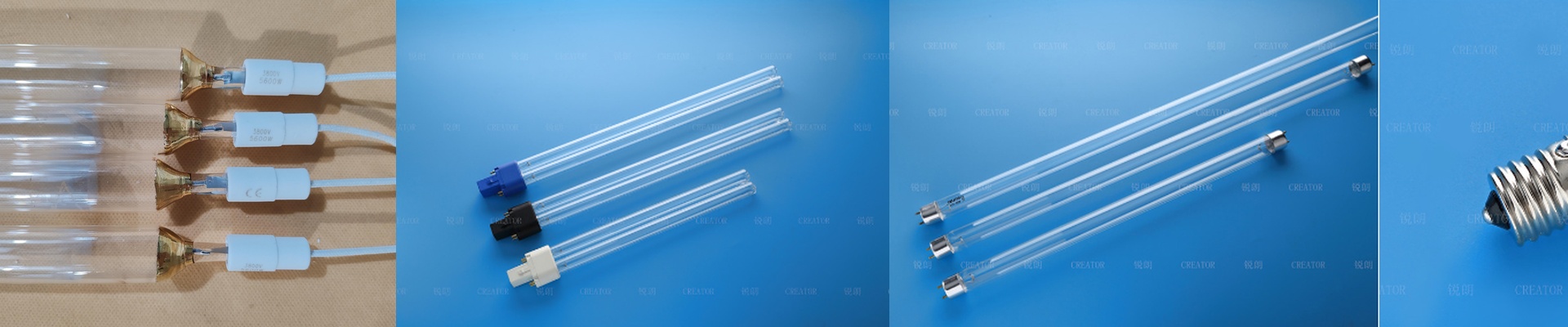
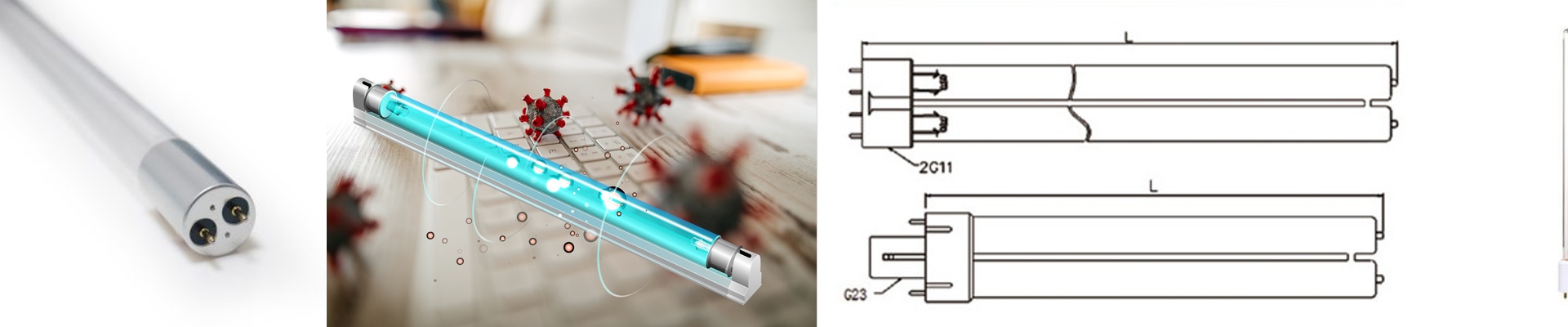
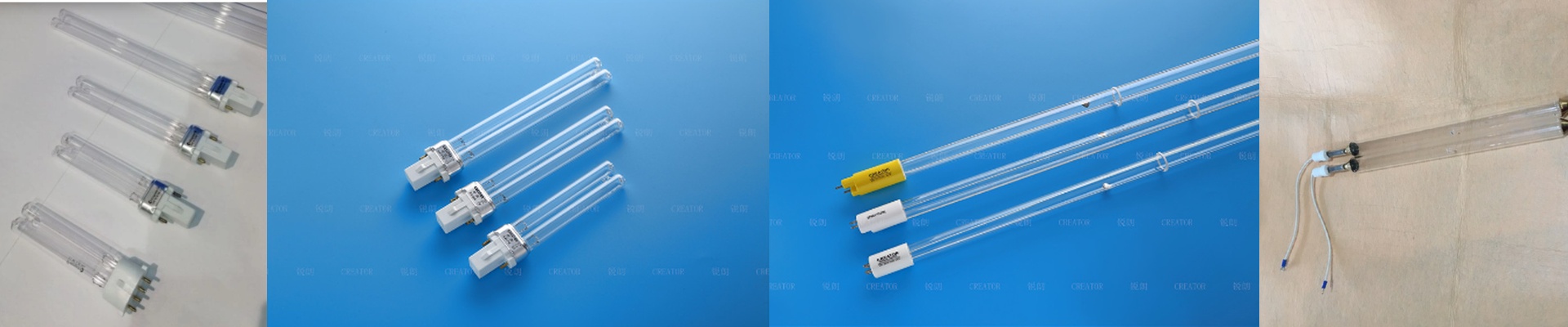
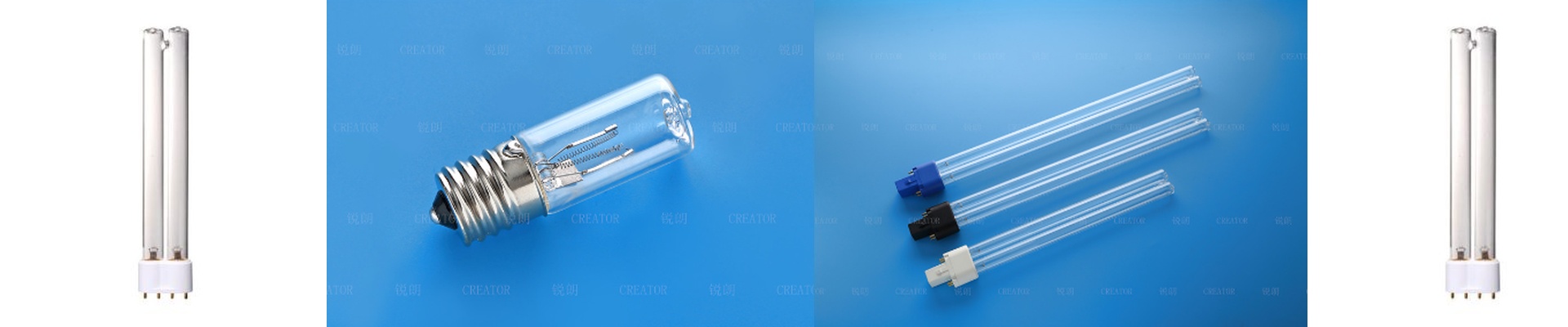
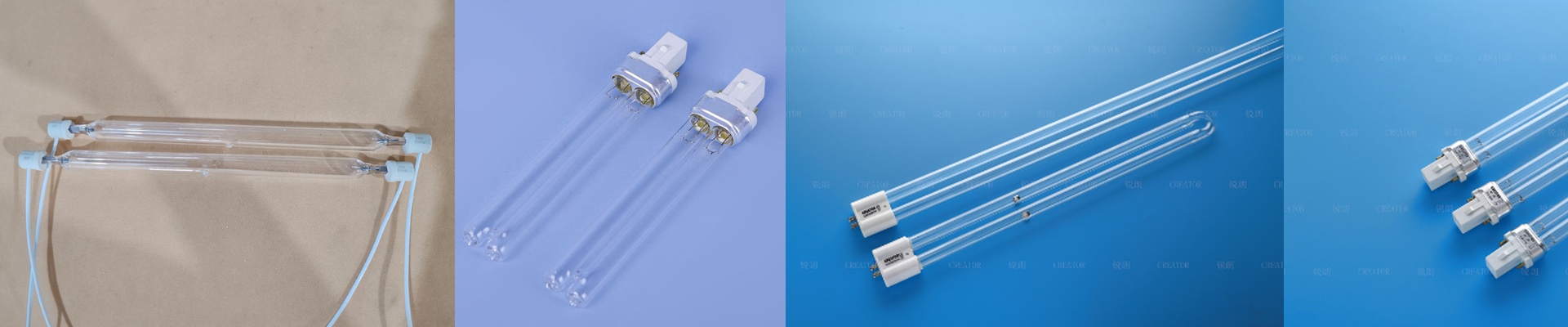
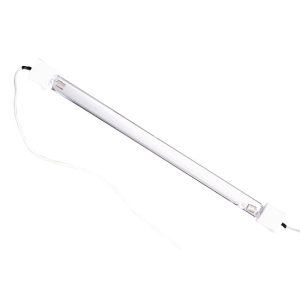
When you’re using UV sterilization on printed textiles, you’re walking a fine line. You need to kill the germs, sure, but you also have to make sure the ink actually sticks to the fabric without accidentally scorching the whole thing. It’s a balancing act between getting enough germicidal power and keeping the heat under control so your prints stay crisp. The trick with power and light We spend a lot of time tweaking the wattage and frequency of the lamps. You want to hit the exact spot where the contaminants are most vulnerable. But here’s the thing: if you just crank up the power, you’re asking for trouble. You’ll end up with yellowed fabric or pigments that look faded and washed out. To stop that, we use precision ballasts. They keep the voltage steady, which means no flickering and a consistent dose of UV across the entire width of the roll. No blind spots. Dealing with the heat We stick with quartz glass because it lets those shortwave UV rays through without slowing them down. We also use coated tubes to bounce the energy back toward the fabric. It’s a simple way to stop wasting power. But you’ve got to watch the “heat soak.” High-output lamps get hot—really hot. If your conveyor belt is moving too slowly, you’re basically baking your fabric. To keep things from warping or melting, we usually pair the lamps with water-cooled jackets or forced-air cooling. It keeps the material cool to the touch while the light does the heavy lifting. Setting it up and keeping it running These systems are designed to drop right into your existing print lines. The wiring is pretty simple, but do me a favor: make sure your shielding is grounded. If you don’t, you’ll get EMI interference that messes with your print head controllers, and that’s a headache you don’t want. One last thing. These lamps aren’t forever. After about 1,000 hours, you’ll notice they lose about 10-15% of their punch. Keep an eye on your run-time. If you swap the tubes out before the intensity dips too low, you won’t have to worry about a bad batch of fabric ruining your day. It just keeps everything consistent.