Why Most UV Lamps Fail (And How We Actually Fix Them)
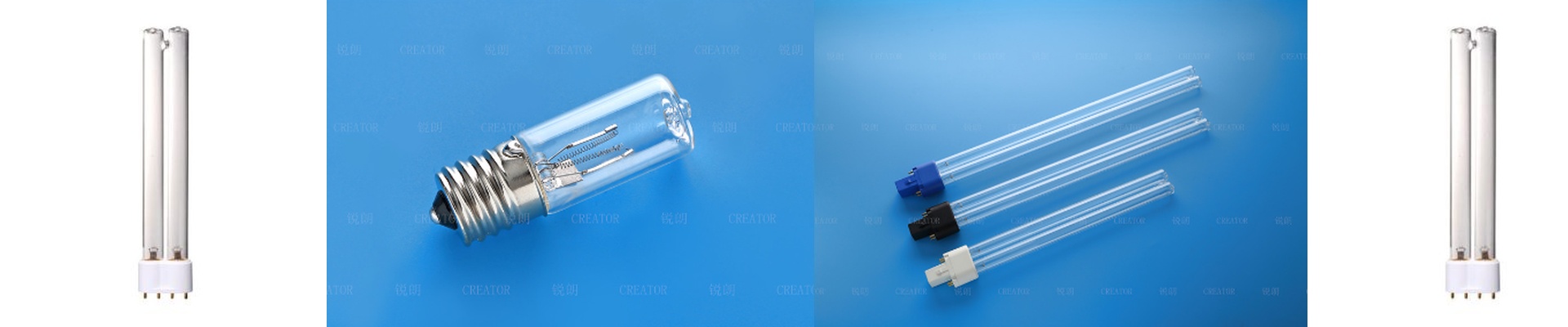
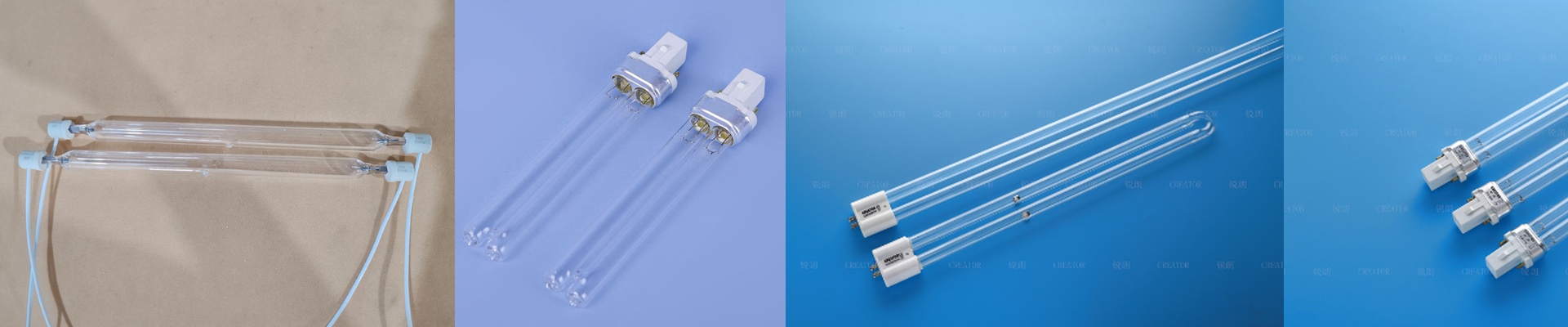
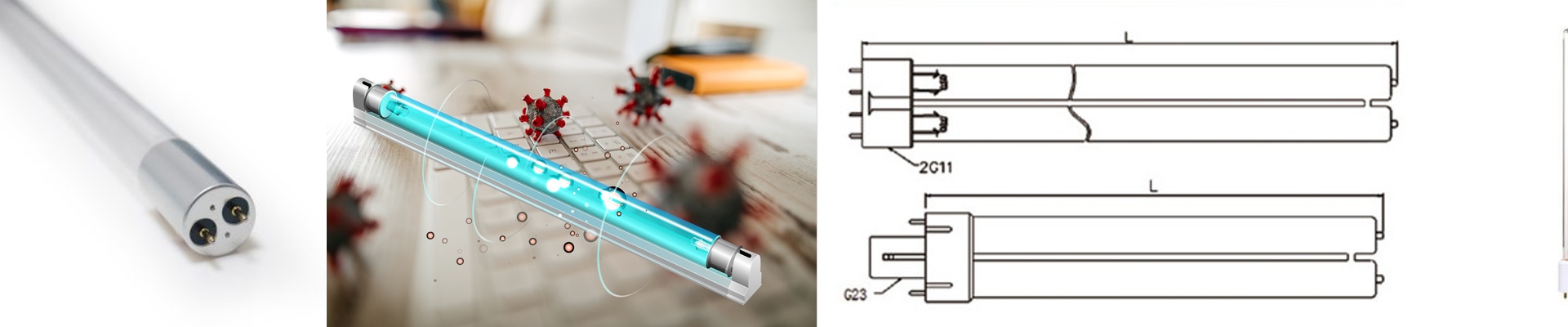
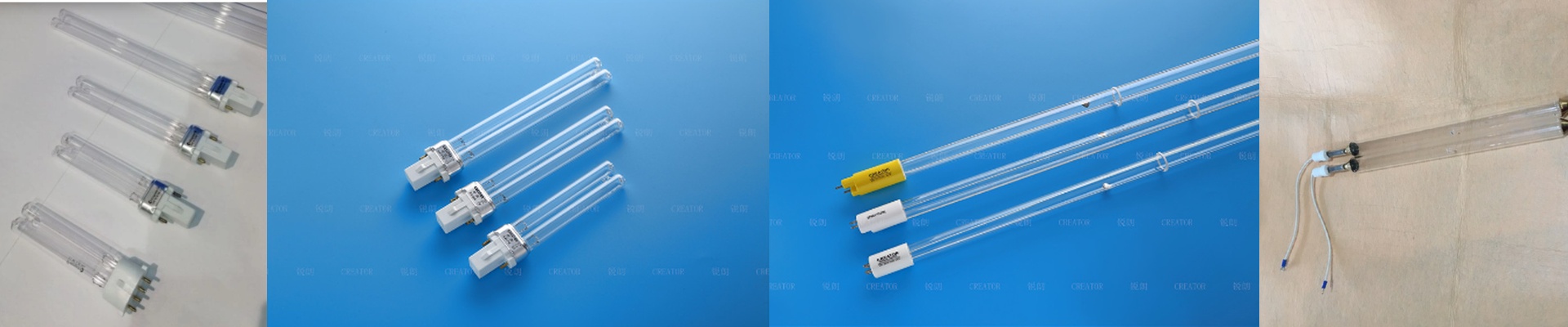
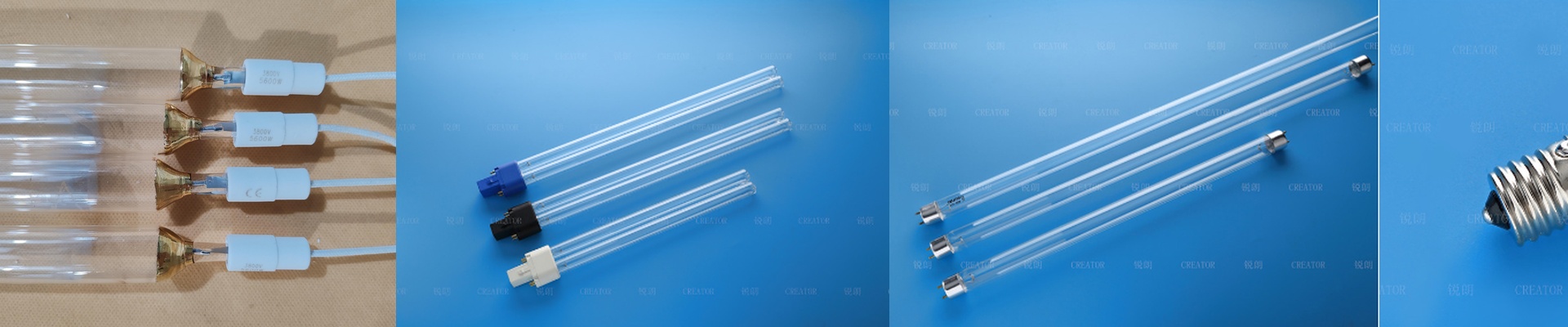
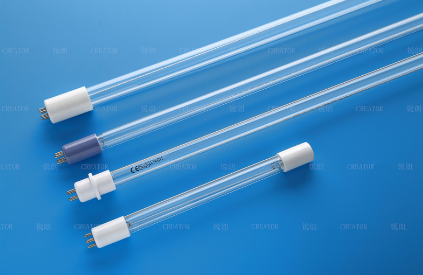
I’ve walked through about 3,000 printing plants in my time. If there’s one thing I’ve learned, it’s that when a UV lamp dies, people usually blame the bulb. But that’s rarely the real story. Most of the time, the lamp just wasn’t built for the job. It doesn’t match the speed of the line or the chemistry of the ink. You end up in this tug-of-war where you’re trying to dry the ink fast, but you’re accidentally scorching your paper or warping your PET. It’s a frustrating spot to be in. The Heat Struggle Here’s the thing about power. Sure, cranking up the wattage means more UV photons, which lets you run your press faster. Sounds great, right? But high intensity equals massive heat. If your cooling system can’t keep up, you’re just baking your materials. We don’t just throw power at the problem. We look at the spectral output—basically making sure the lamp is “talking” to the photoinitiators in your ink. It’s about the right kind of light, not just more of it. Built for the Chaos of the Shop Floor Printing plants are messy. They’re loud, they vibrate, and things get splashed. That’s why we use reinforced quartz glass. It handles the shaking and the chemical spills without giving up. And we’ve all been there—standing around for an hour because a lamp died and nobody can figure out the wiring. We hate that. So, we use standardized plugs. Your operators can just swap a dead lamp in a few minutes and get back to work. We also keep the housing simple. No fancy, over-engineered boxes. An open-frame design lets the air move and makes it way easier to wipe down. Making it Actually Work A powerful lamp is a paperweight if it doesn’t fit your conveyor. We tweak the length and where the electrodes sit so the UV light hits the entire web evenly. No dead spots, no streaks. One last tip: keep an eye on your power. Voltage spikes are silent killers for custom UV tubes. We build some wiggle room into our designs to handle those jumps, but if you really want to sleep better at night, get a dedicated stabilizer. It’s the safest way to make sure your gear lasts.