Dealing with Electrical Noise in Big UV Setups
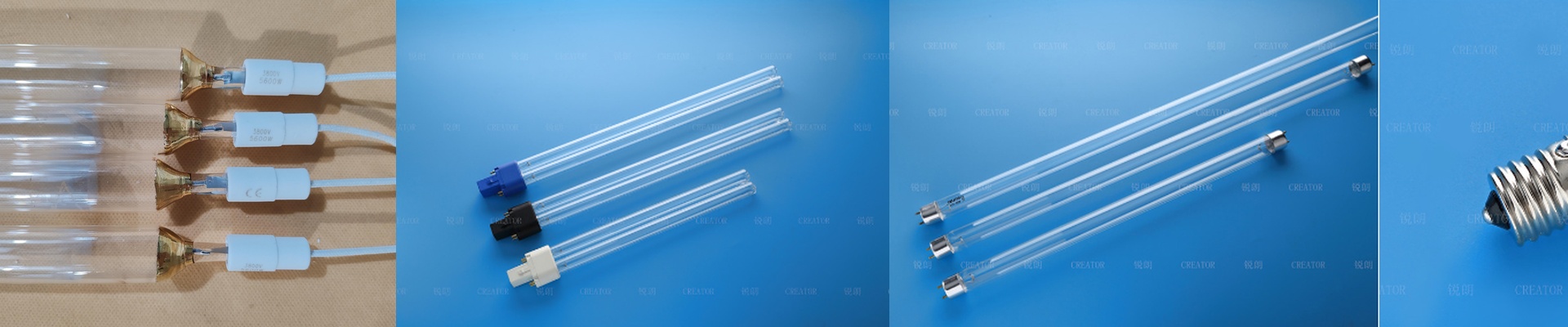
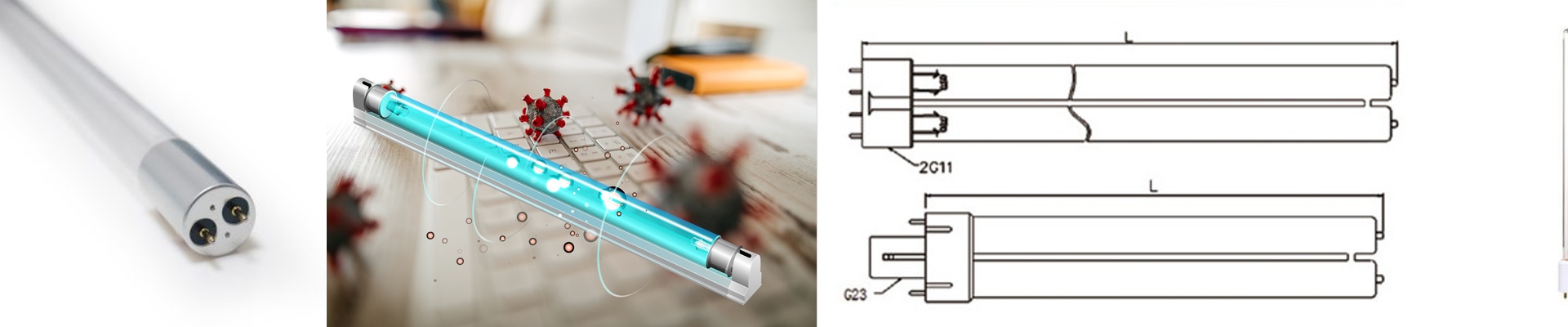
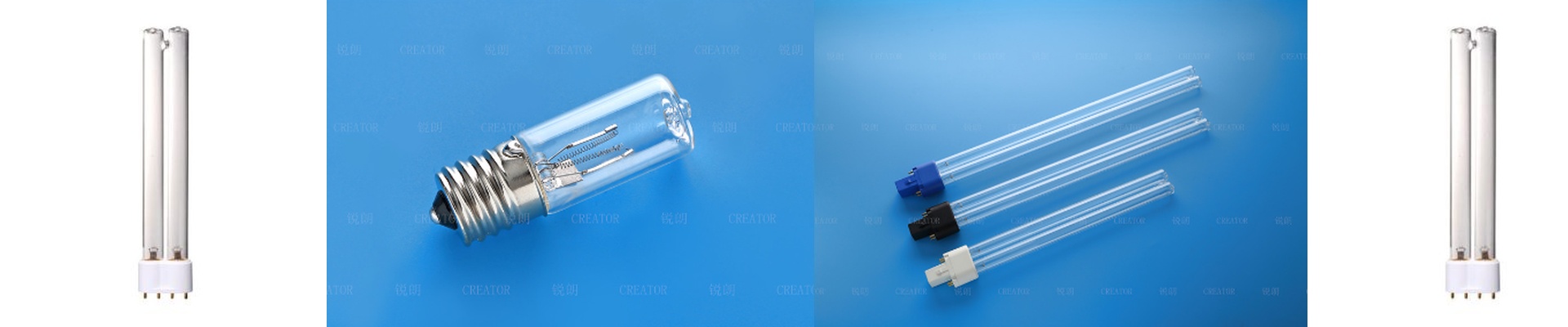
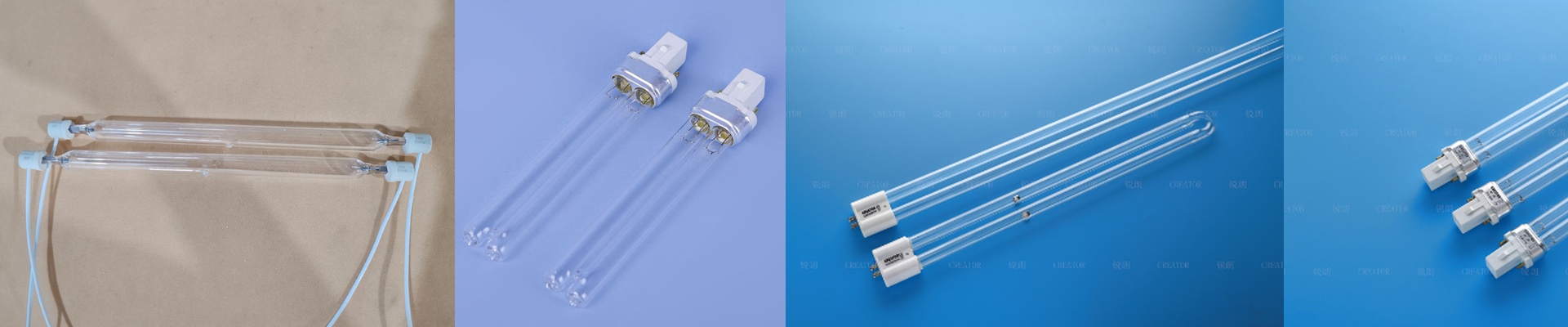
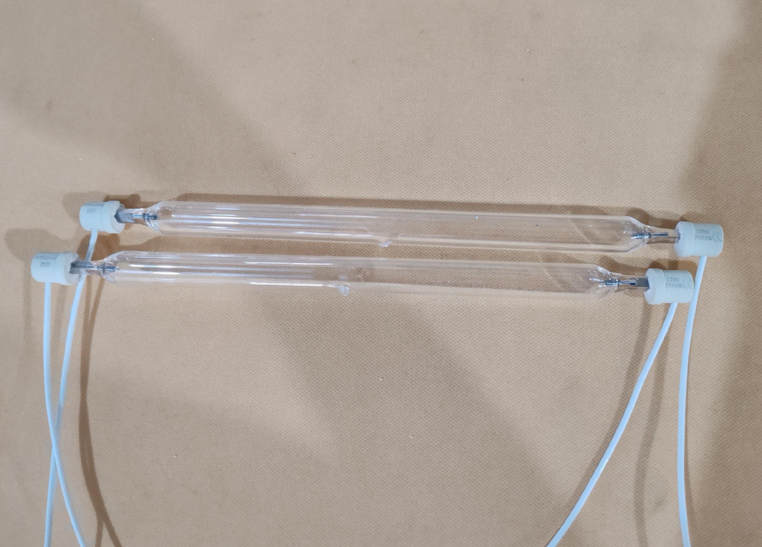
If you’ve got a few large printing presses running in one shop, you know exactly how loud it gets. I’m not just talking about the noise you hear—I mean the electrical noise. Standard mercury UV bulbs need high-frequency ballasts to keep that plasma arc alive. But when you cram a bunch of machines into one space, the electromagnetic interference (EMI) starts jumping from one press to another. It’s a headache. You start seeing flickers, the UV output gets twitchy, and bulbs start burning out way before they should. Keeping things steady We designed our mercury bulbs specifically for these kinds of chaotic environments. Here’s the thing: when the ballast’s switching frequency clashes with the lamp’s impedance, you get trouble. If a bulb isn’t built for stability, all that outside electrical noise messes with the arc. To stop that, we use high-purity quartz and electrodes that are engineered to a T. It keeps the arc centered and calm. No more “hunting”—that annoying cycle where your power supply fights just to keep the current steady. Real-world performance Imagine five or ten presses humming away at once. That mountain of EMI can trip your sensors or leave you with inconsistent curing depths. It’s frustrating when you can’t trust the output. Our lamps just ignore the noise. They keep a steady spectral output no matter what’s happening around them, so you get a consistent cure across the entire web. Every single time. The catch Now, this kind of stability doesn’t just happen by magic. You have to pair these lamps with a quality ballast. If you try to run them on some ancient or cheap power supply, you’re wasting your money—you won’t actually feel the difference. And a quick heads-up on heat. High-intensity output gets hot. Really hot. Make sure your cooling blowers are dialed in perfectly. If the cooling is weak, the quartz envelope is going to take a beating, regardless of how stable the electricity is. If the air isn’t moving, your bulb life is going to tank. Keep them cool, and they’ll keep working.