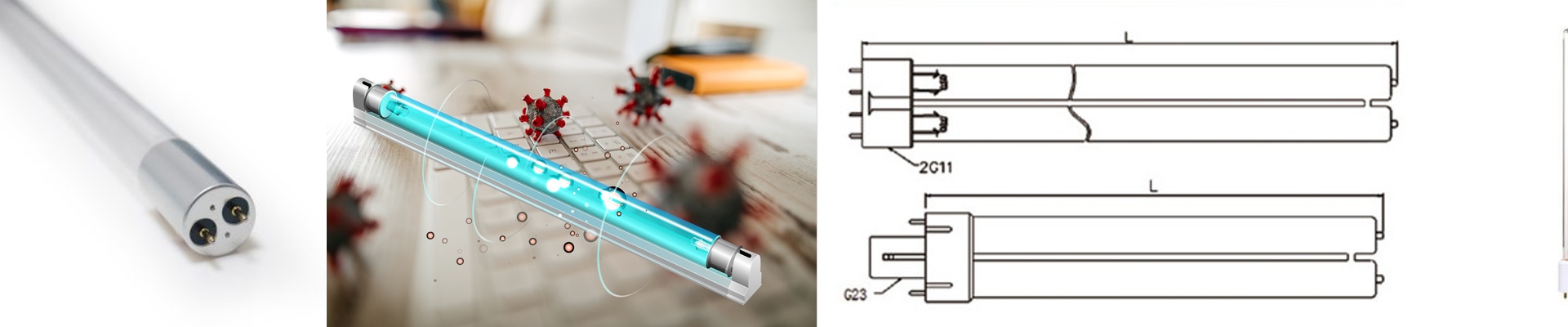
Let’s talk about Mercury UV Bulbs
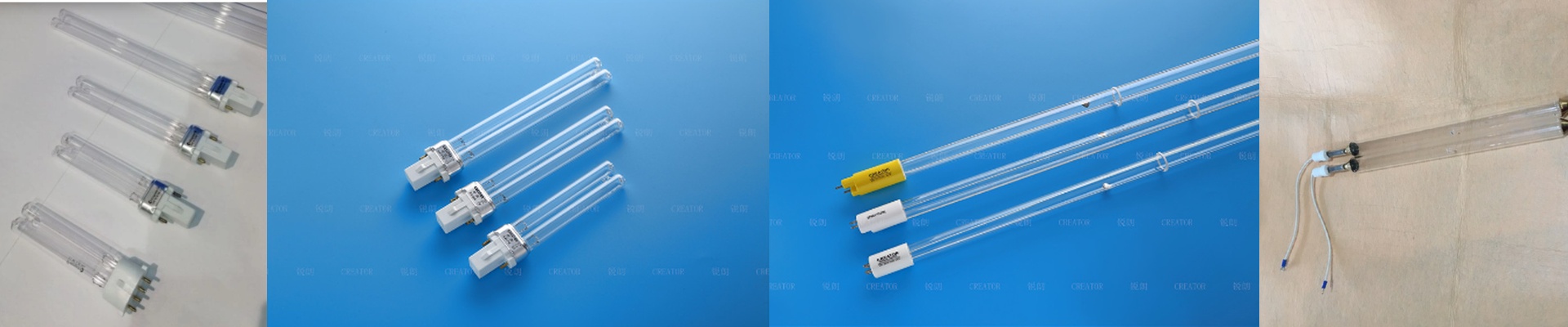
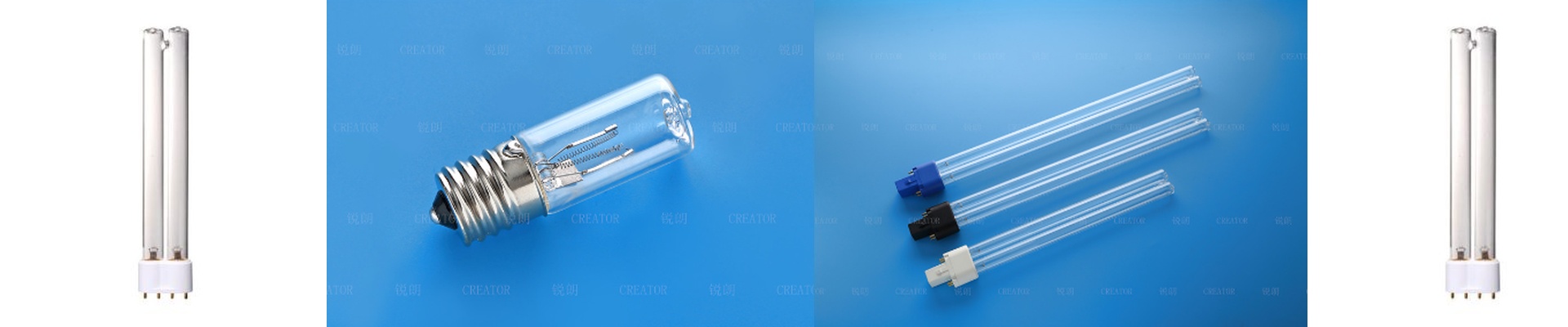
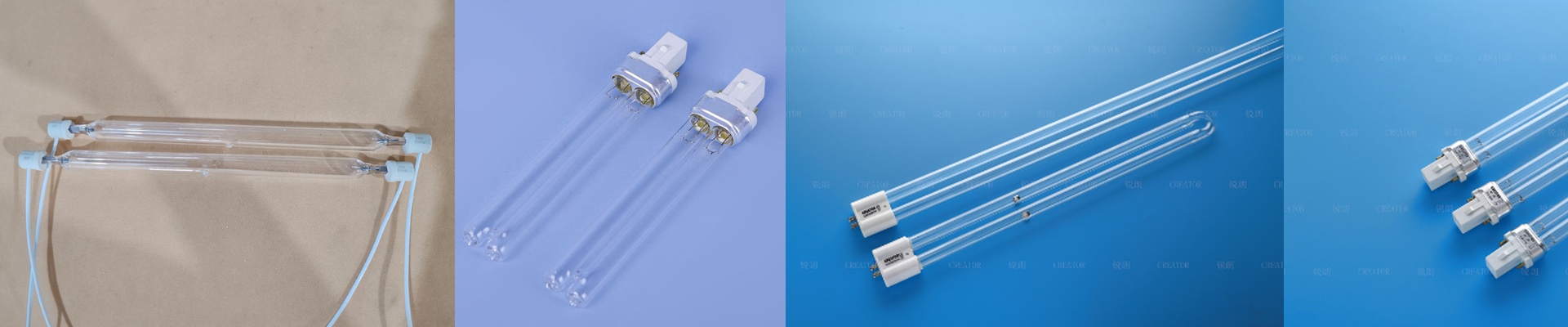
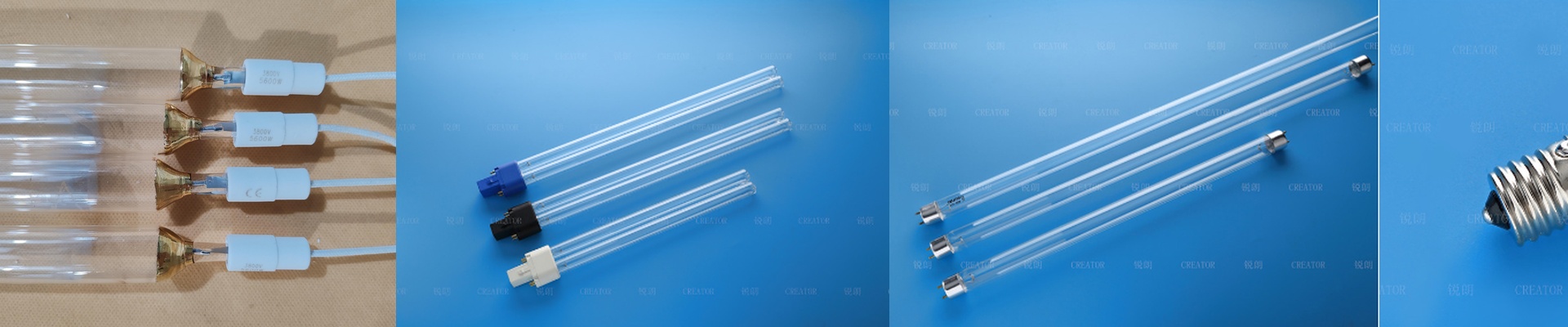
If you’re in the business of curing inks, coatings, or adhesives, you already know that mercury vapor lamps are the real heavy lifters. They do the dirty work of triggering photopolymerization using a high-pressure discharge of mercury vapor. Most of the magic happens at 254nm and 365nm.
Power, Heat, and the Headache of Voltage
Here is the thing about power density: it’s a balancing act. We figure out the specs based on how much light actually hits your substrate. Generally, it comes down to the wattage-to-length ratio. If you cram too much wattage into a short tube, things get hot.Really hot. That’s why your cooling fans or water-jackets need to be up to the task. If your cooling is weak, that quartz envelope is going to overheat, and your bulb will burn out way sooner than it should. We can tweak the voltage and current to fit whatever ballast you’re already using, so you don’t have to rewire your whole shop.
What they’re actually made of
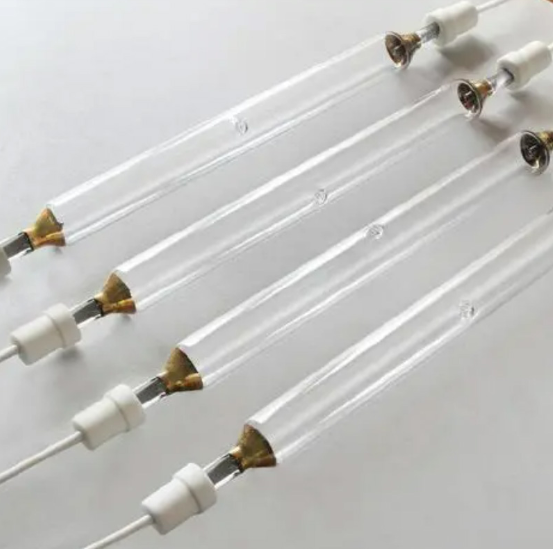
We use high-purity fused quartz for the outer shell. Why? Because quartz is basically the only material that lets shortwave UV pass through without soaking up all the energy. For the folks building their own machines, we can swap out the electrode configurations. Whether you need standard end-caps or something a bit more specialized, we’ll make sure the bulb just drops right into your hardware without a fight.
Putting your name on the box
Building a brand is about more than just slapping a logo on a piece of glass. You need the technical side to actually hold up. We handle the messy parts—the vacuum sealing and the gas filling—while you decide on the length and wattage. You get a product that lasts and performs, and your customers stay happy. One last tip: remember that these aren’t like LEDs. They don’t just snap on. They need a bit of time to warm up before they hit full strength. Keep that dwell time in mind when you’re setting your conveyor speed, or you’ll end up with a batch of under-cured product on your hands.