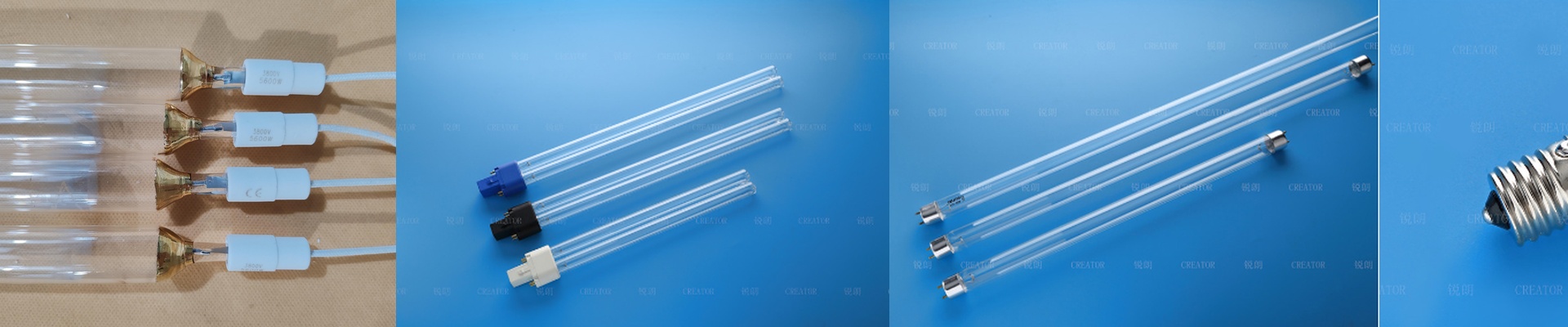
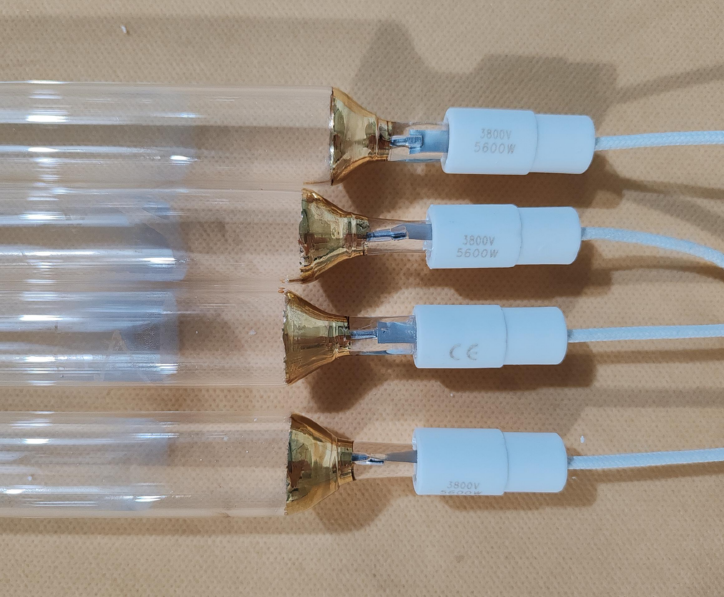
Getting Your UV Curing Right: A No-Nonsense Guide to Mercury Bulbs
Let’s be honest: mercury vapor lamps are the old reliable of the industrial UV world. They do the heavy lifting, pumping out the UVC and UVB radiation needed to make inks, coatings, and adhesives snap into place. But if you’re building your own brand around these, you need to realize you aren’t just picking out a lightbulb. You’re actually designing a chemical reaction. If the specs are off, the whole thing fails.
Power, Voltage, and the Heat Problem
It all comes down to the balance between how much power you’re pushing and how wide the tube is. Want to speed up your production line? You’ll need more irradiance (W/cm²), which usually means cramming more wattage into a smaller space. But there’s a catch. If your ballast and bulb aren’t perfectly in sync, you’ll deal with flickering or, worse, bulbs that burn out way too early. It’s a headache you don’t want. And then there’s the heat. These high-output tubes gethot. Like, “crack the glass” hot. You absolutely have to have a solid cooling system—whether that’s forced air or water jackets—or your quartz is going to snap under the stress.
The Nitty-Gritty: Quartz and Electrodes
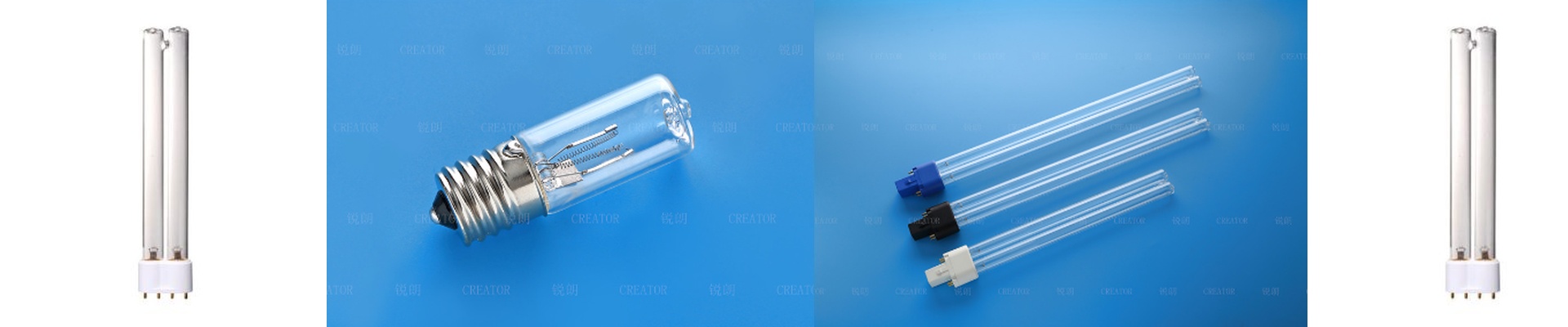
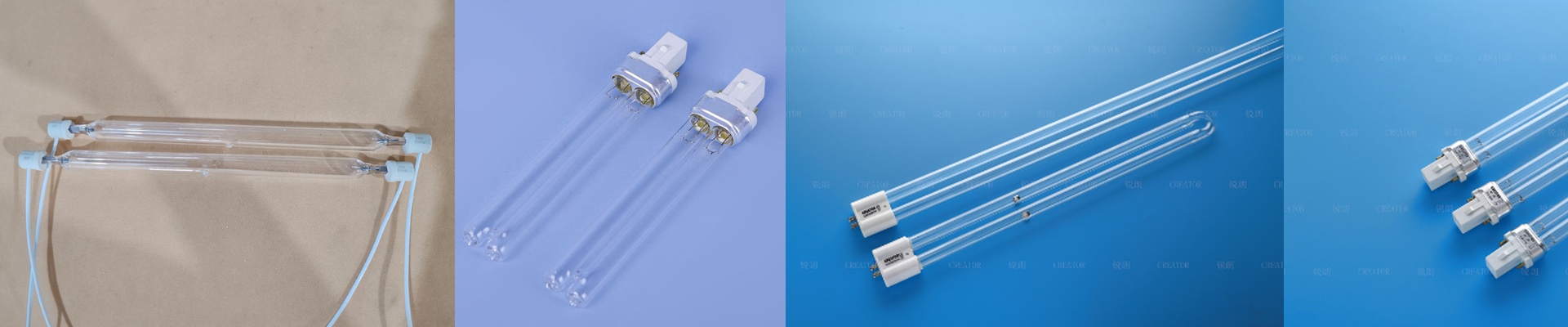
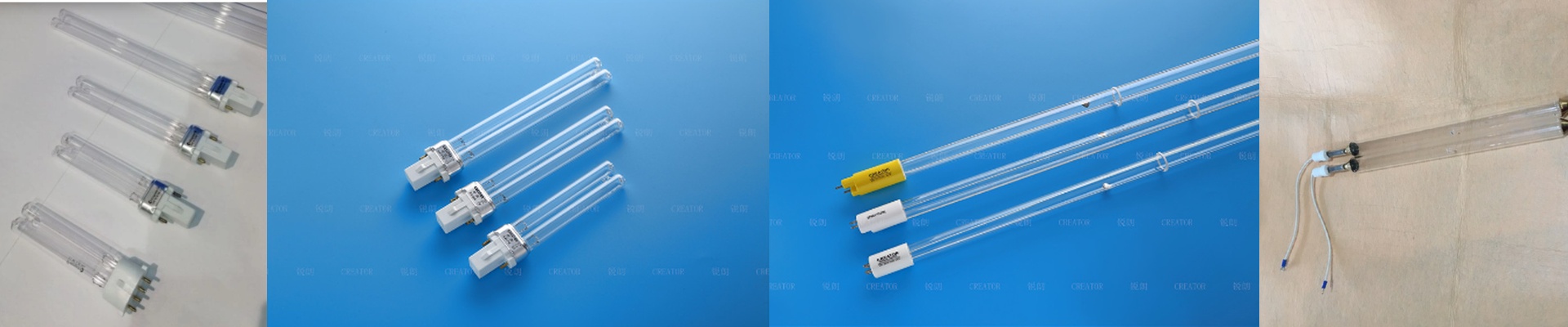
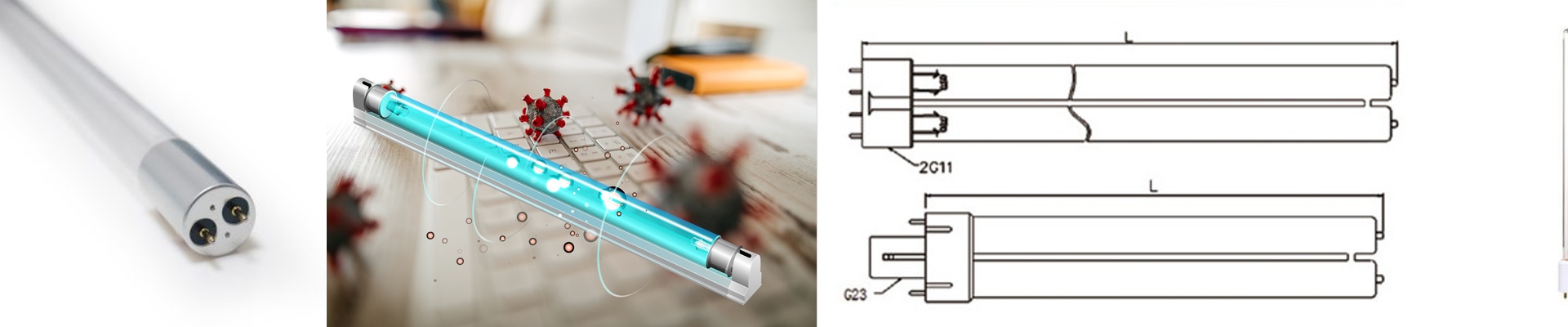
We use high-purity fused quartz for the envelope because it lets the UV light slide right through without getting trapped. For the electrodes, we stick with tungsten. Why? Because the start-up phase is brutal, and tungsten can actually handle that initial heat spike. If you’re an OEM partner, we can tweak the end-caps to fit whatever sockets you’re already using. That way, it’s a simple swap. No need to rip out your wiring and start from scratch.
Scaling Your Brand Without the Stress
When you’re selling these under your own name, consistency is everything. Your customers expect the same result every single time they flip the switch. We handle the technical side—the steady spectral output and the lifespan ratings—so you can focus on the branding and getting the product into the market. You can tell us the exact length and wattage you need to fit your machine’s footprint. Just a word of warning: don’t be tempted to push a bulb past its rated wattage. It’ll kill the bulb’s life and shift the light spectrum. The result? Your customer ends up with a coating that feels tacky to the touch, and that’s a phone call you don’t want to take.