Building a UV Curing system That Actually Works
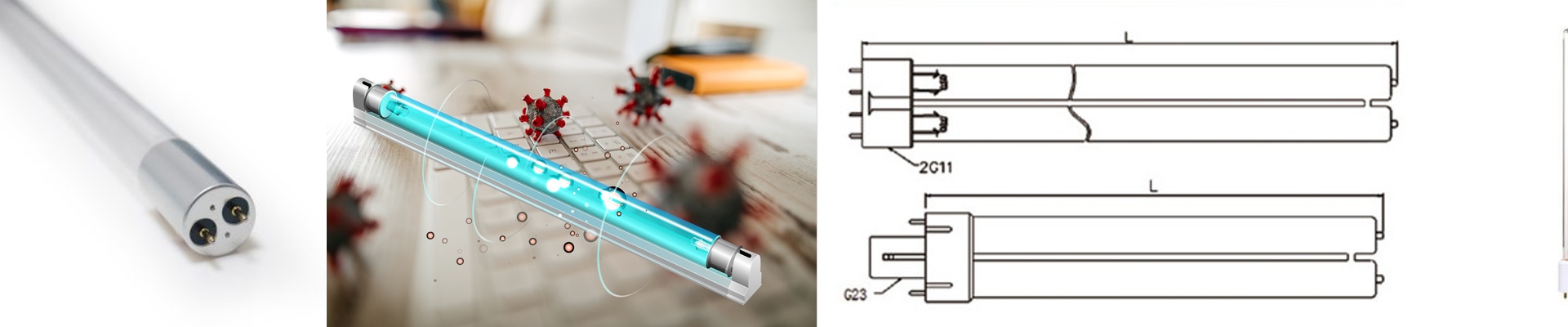
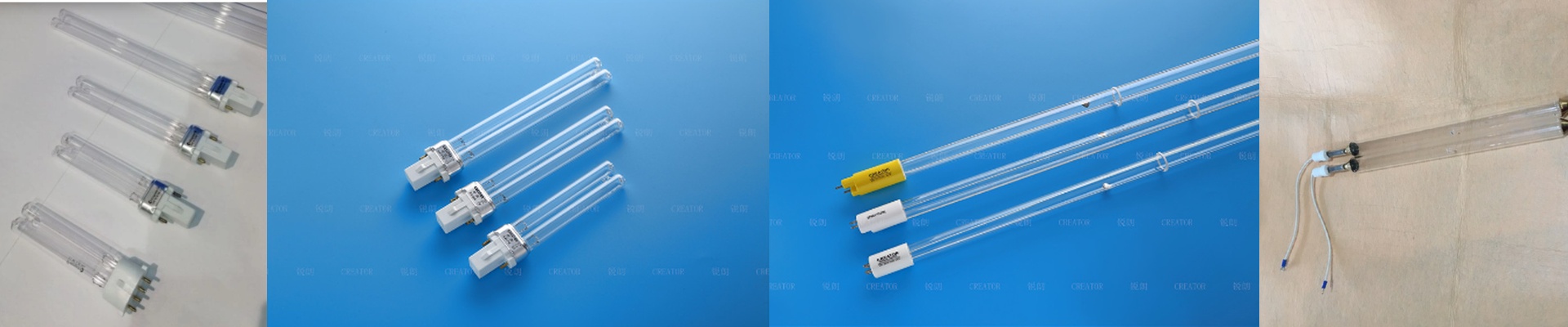
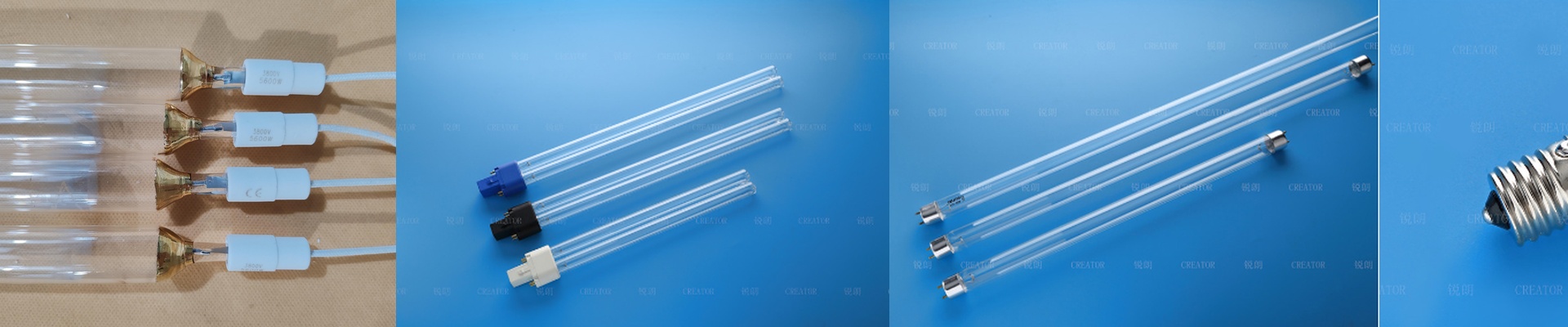
UV curing is basically the engine behind most modern coatings and adhesives. For 15 years, we lived in the world of OEM supplying, but we eventually hit a wall. We wanted something better. So, we decided to build our own modular UV lamp systems. The goal was simple: give people the same quality you get from the big-name tier-one brands, but without that annoying “proprietary lock-in” where you’re forced to buy every single tiny part from one expensive company.
Scaling without the headache
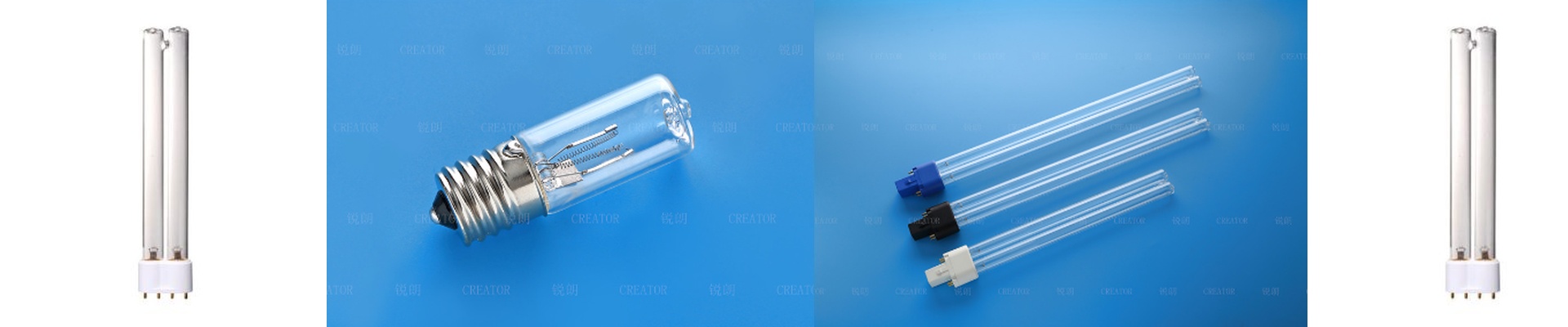
We built the whole thing around a modular chassis. Think of it like building blocks. If your line speed picks up or your coating gets thicker, you just add more lamps. Need a faster cure? Crank up the wattage per lamp to boost the irradiance. We use high-grade quartz glass because it lets the most UV light through. But here’s the catch: you can’t just blast it on max. If you push the power too hard without adjusting your conveyor speed, you’ll end up scorching your product. It’s all about finding that sweet spot between power and speed.
Fighting the heat
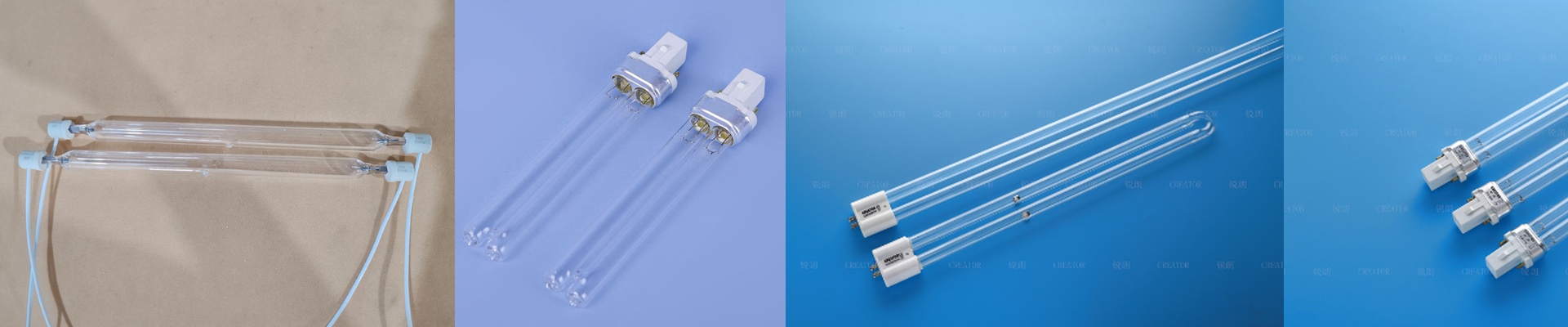
Heat is the enemy here. Period. If a UV lamp gets too hot, the quartz warps and the reflectors start to degrade. It’s a mess. To stop that, we baked in forced-air cooling and heat sinks to pull the heat away from the electrodes. We also spent a lot of time on the reflectors. They’re precision-engineered to push the UV light straight down where it belongs. When reflectors are cheap or poorly made, you waste energy and kill your bulbs faster. We’ve found that just keeping the temperature stable can stretch the life of a lamp by about 20%. That’s a lot of money saved on replacements.
Making it fit (and keeping it running)
Nobody wants to rip out their entire control panel just to install a new lamp. We didn’t want you to have to do that, either. That’s why we used standardized electrical interfaces. These are “drop-in” units. You wire them up, and they just work. We also used industrial-grade connectors because, let’s be honest, factory floors vibrate. The last thing you need is a cable shaking loose in the middle of a shift. Maintenance is a breeze, too. If a tube burns out, you can swap it in a few minutes without tearing the whole housing apart. One tip, though:**don’t ignore your filters.**If those cooling fans get clogged with dust, the system will overheat fast. Give them a quick clean every quarter, and you’ll be golden.