How to actually make your UV curing tubes last
Mercury UV tubes are basically the muscle of any industrial drying or coating line. They do the heavy lifting—using UV radiation to zap inks and adhesives so they harden in a matter of seconds. But if you’ve been in the game a while, you know the frustration of a lamp dying right when you’re in the middle of a big run.
The secret to a longer life
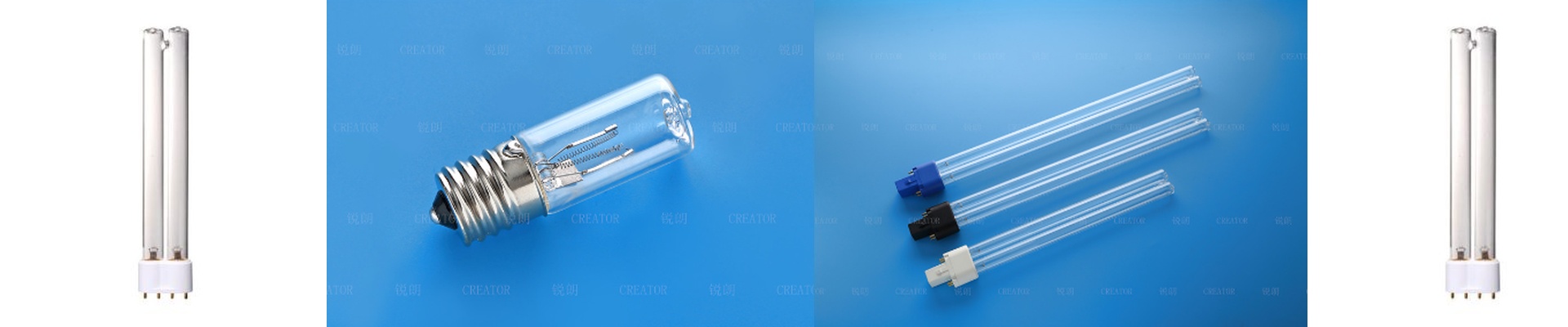
Getting a tube to last isn’t about some magic trick. It comes down to two things: heat and wear. We use high-purity fused quartz for the glass. Why? Because cheap glass clouds up over time. When the glass stays crystal clear, the UV light actually gets out, and your output stays steady. Then there are the electrodes. We use specific alloys to stop “sputtering.” If you’ve ever seen a dark, metallic buildup on the inside of a tube, that’s sputtering. It blocks the light and kills your curing speed. By dialing in the mercury vapor pressure and the gas mix, we can push back the clock on when that lamp finally burns out.
The balancing act
Here is where a lot of people trip up: the ballast. If you run your tube over its rated wattage, sure, it’ll look brighter at first. But you’re essentially torching the electrodes. You get a quick burst of power, but you’re slashing the lifespan of the tube. It’s a bad trade. And then there’s the heat. These things get hot. Really hot. If your fans are dusty or your water-jackets aren’t keeping up, that quartz envelope can soften or even crack. You have to find that sweet spot where your curing speed is fast, but your machine isn’t screaming for air.
Cutting the noise (and the cost)
We decided to handle everything ourselves—from processing the quartz to the final assembly. No middlemen. No extra markups just because a brand name is slapped on the box. We buy the raw materials in bulk and do the winding and sealing in-house. The result? You get a tube that drops right into your existing setup and hits all the technical specs, but you aren’t paying a “premium” just for a logo. It just works.