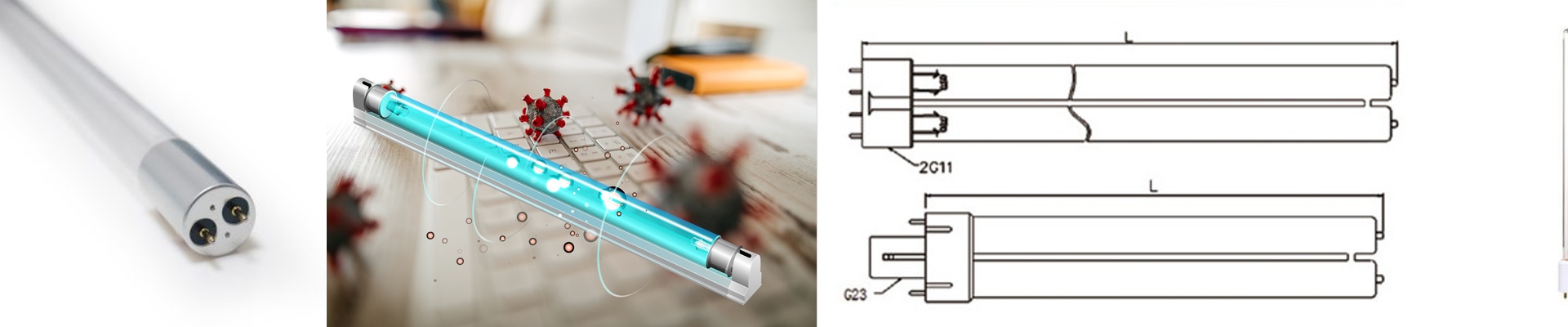
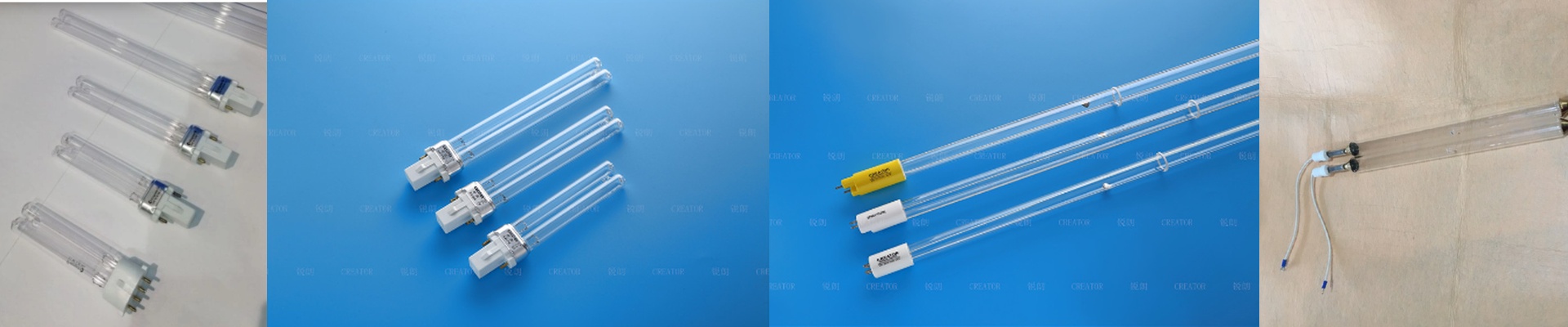
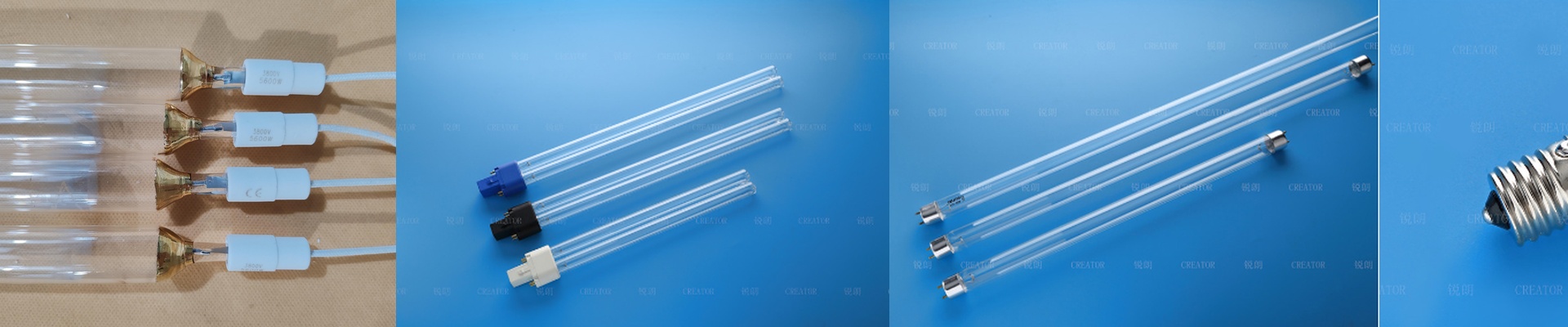
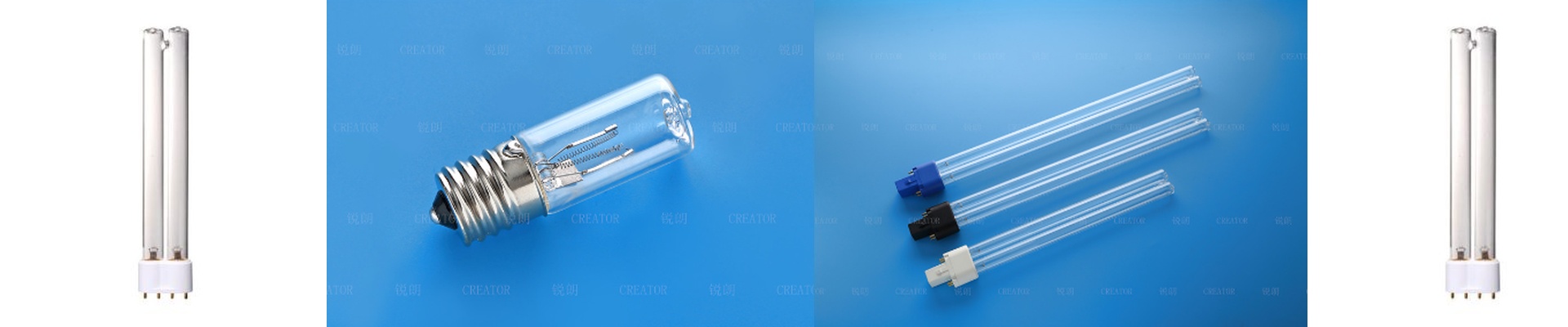
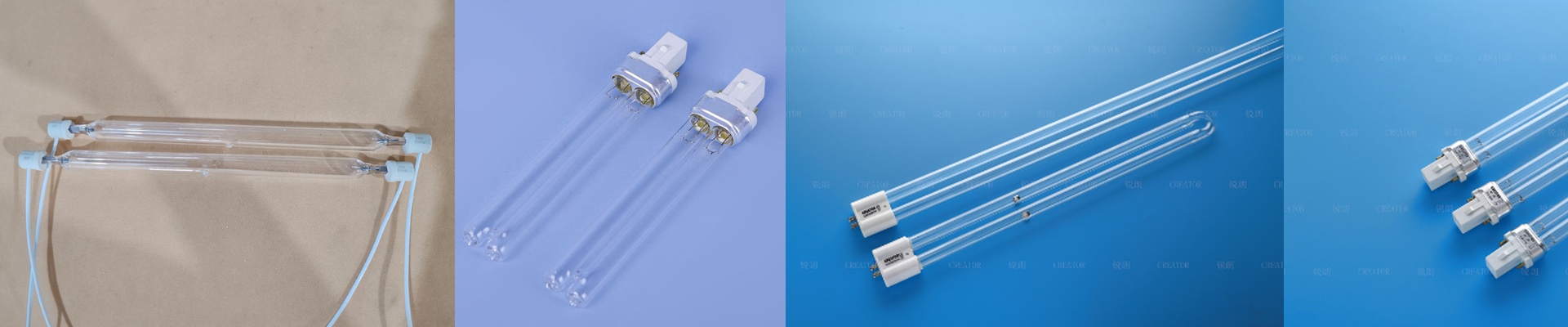
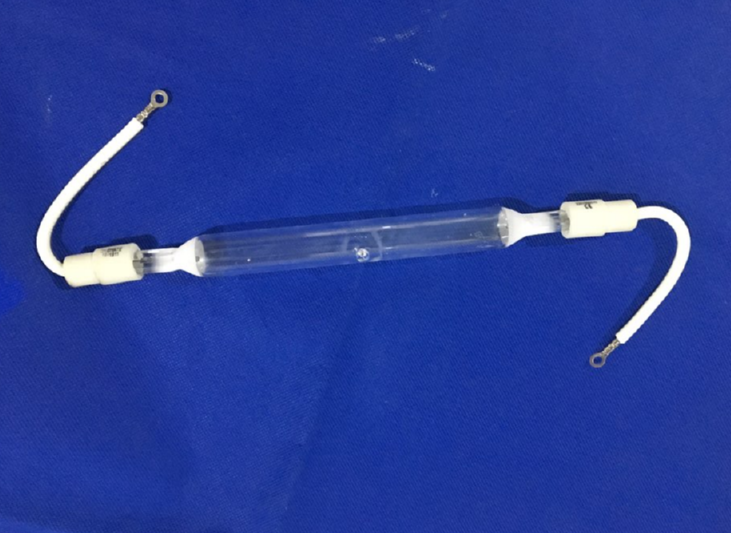
On the press floor, seconds add up fast. When the UV lamp isn’t pulling its weight, you get slow cure, adhesion issues, and substrate heading for the scrap pile. You can’t let budget force you to settle for half measures. So we built a low-cost UV curing lamp that delivers repeatable spectral performance without the premium sticker. What matters under the hood We run ozone-free, medium-pressure mercury vapor lamps with a stable spectral output centered at 365nm—the wavelength that actually drives photoinitiator activation in most offset, flexo, and screen UV inks. Peak irradiance is tuned to ≥800 mW/cm² at a 10 mm working distance, hitting an energy density around 400–600 mJ/cm² for typical coat weights. A dichroic-coated reflector pushes UV forward and keeps IR heat in check. Output stays consistent over 2,000 hours, dropping less than 8% at full power, and the ballast-matched ignition profile eliminates hot-restrike delays. Why it holds up on real jobs On a narrow-web press or a semi-automatic screen line, this lamp keeps the cycle moving. Cure finishes at line speed, so you can stack tack-free almost immediately. Power draw stays predictable, and you stretch lamp replacement intervals—meaning fewer spares on the shelf and less downtime. The footprint is compact enough for retrofit kits and common curing stations, and the standard connector plugs cleanly into existing power and interlock logic. Here are the details that keep you out of trouble Match lamp power to your ink chemistry and substrate. High-pigment or thick-layer inks often need more energy density than a lower-wattage unit can deliver. Check reflector geometry and lamp position so you hit the designed irradiance profile—misalignment can cut effective cure by 15% or more. Keep the quartz sleeve clean and watch the temperature; overheating will shorten lamp life. And if you run a lot of short jobs, plan your duty cycle so the ballast stays protected.