Making it Stick: The Truth About Mercury UV Lamps in Textiles
Think of UV curing as the invisible glue of the garment world. Whether you’re starting with raw fabric or finishing a high-end piece, medium-pressure mercury lamps are what do the heavy lifting. They trigger a reaction that turns liquid resins into solid films in a heartbeat. No more waiting around for massive thermal ovens to heat up. You just cut your drying time way down and get a lot more breathing room on your factory floor.
How the Light Actually Works
Here is the thing about mercury lamps: they don’t just put out one type of light. They hit a broad spectrum, mostly peaking at 254nm and 365nm. For someone running a textile line, that’s a huge advantage. The shortwave UV handles the surface, giving you a hard, durable shell. Meanwhile, the longer wavelengths sink deeper into the fibers. That’s why the ink or coating doesn’t just flake off the moment the fabric gets stretched or rubbed. We figure out the irradiance (the $\text{W}/\text{cm}^2$) based on how fast your conveyor is moving. If your line moves fast, the light has to work harder.
The Nitty-Gritty of the Hardware
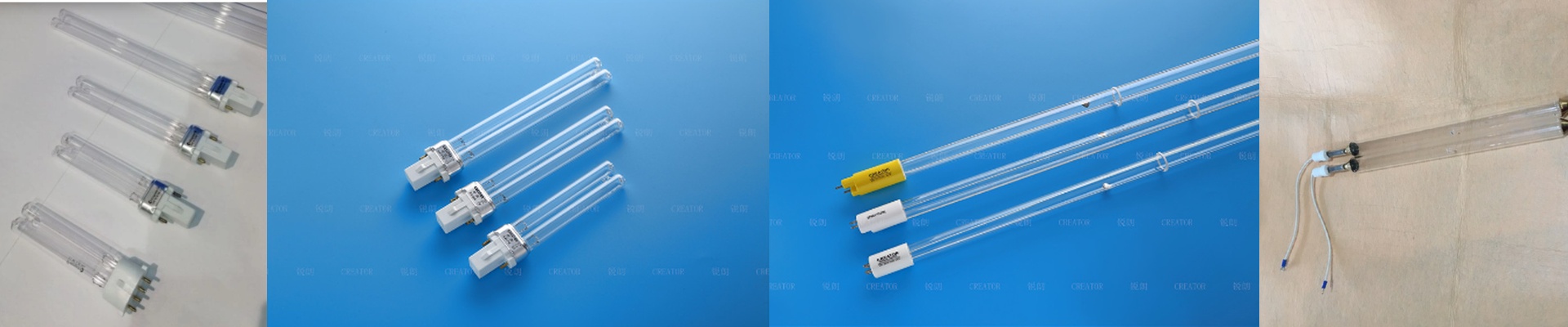
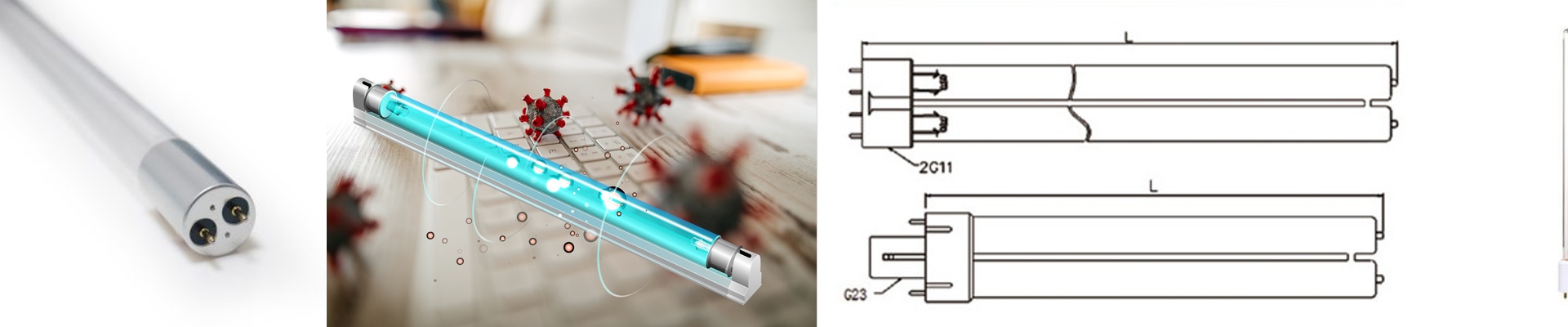
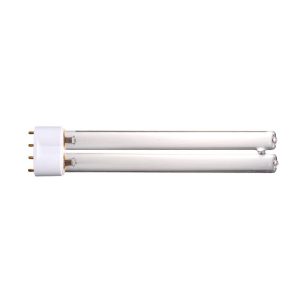
These lamps gethot. Like, really hot. To keep the glass from cracking during a fast start-up, we use high-purity fused quartz. We also wrap them in reflectors that push every bit of that UV beam straight onto the fabric. It’s all about making sure you aren’t wasting energy. But you have to be careful with the wiring. If your voltage jumps around, you’re going to fry your electrodes way sooner than you should. And please, check your cooling fans. High-wattage mercury lamps throw off a massive amount of heat. If the airflow isn’t right, you’re not just risking a warped lamp housing—you’re risking scorched fabric. And nobody wants that.
Where This Actually Happens
In a real production chain, these lamps are everywhere. They handle everything from discharge printing and UV inks to bonding those synthetic membranes that keep waterproof gear actually waterproof. It takes a wet, tacky mess and turns it into a wearable product instantly. You can skip the giant drying tunnels and move the garment to the next station right away. It’s fast. Really fast. And that changes the whole rhythm of the shop.