Getting the Most Out of Your 120W/cm Mercury UV Lamps
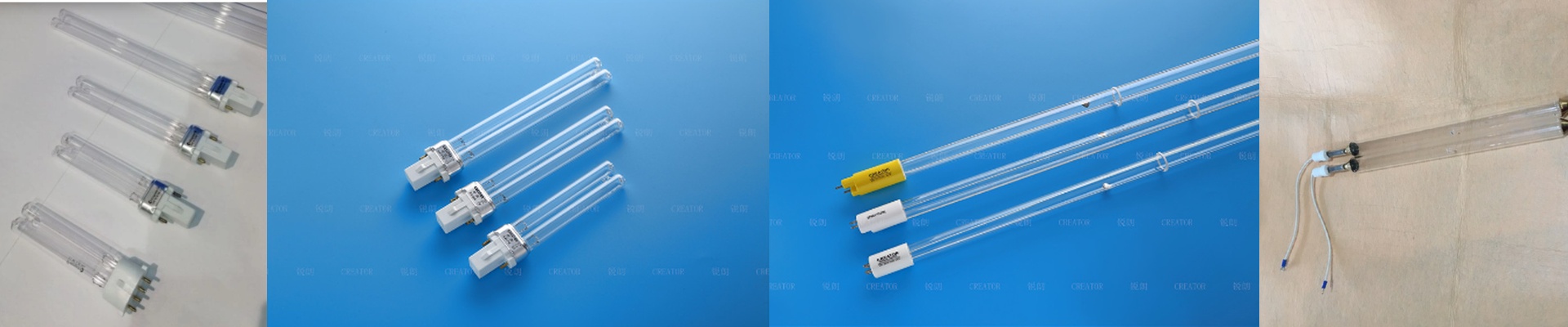
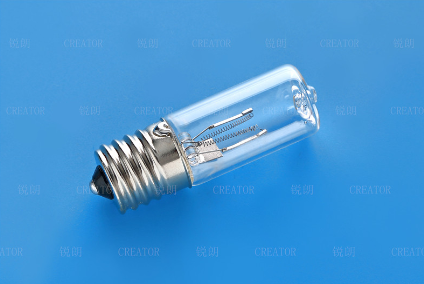
We set our standard mercury lamps at 120W/cm for a reason. It’s the sweet spot. Most industrial lines use this as their baseline because it hits that perfect middle ground—you get enough UV punch to keep your line moving fast, but you aren’t burning through your tubes every couple of weeks. It triggers your ink or coating photoinitiators quickly without scorching your materials. It just works. Keep an eye on the heat Now, here’s the thing: 120W/cm packs a lot of energy into a small space. That means it getshot. Really hot. If your cooling fans are dusty or your chilled water jackets are acting up, you’re going to have problems. You’ll notice the tube life dropping or, worse, the quartz envelope starting to warp. If you’re running 24/7, do yourself a favor and double-check your airflow. It’s a five-minute check that saves you a massive headache later. The nuts and bolts Under the hood, we’re using low-pressure mercury discharge to get those primary UV peaks. We chose a specific quartz glass that lets UVC and UVB radiation pass through easily, so the energy actually hits your product instead of getting trapped in the lamp housing. Plus, these are standard “hot-swap” models. You can just slide them into most existing UV conveyors and get back to work. No fancy reconfiguration needed. Stop hoarding spare parts Let’s talk about your warehouse. There’s nothing worse than a burnt-out tube stalling your entire production line while you wait weeks for a shipment. But you also don’t want to waste cash and space storing six months’ worth of inventory. We keep these units in stock and ready to go. When you need a replacement, we ship it fast. You swap the tube, flip the switch, and you’re back in business in minutes. Your overhead stays low, and your machines keep humming.