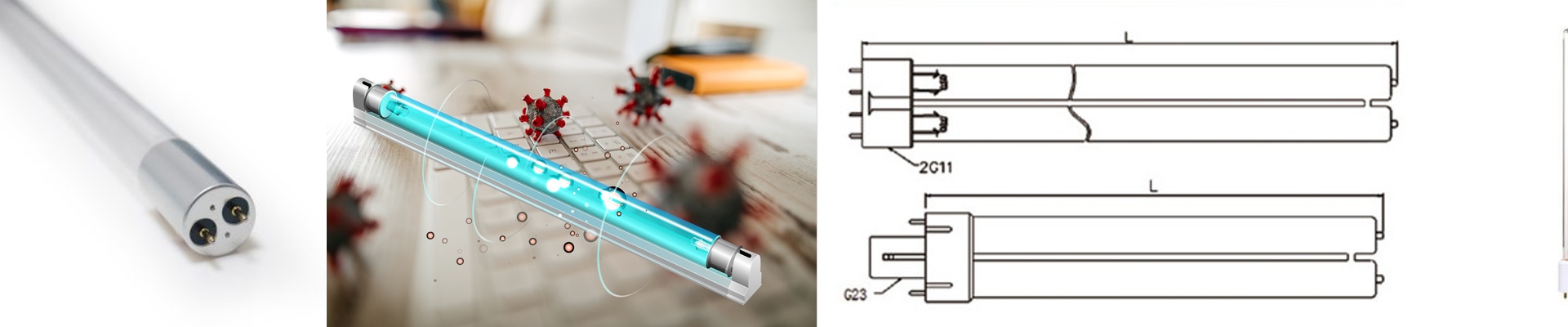
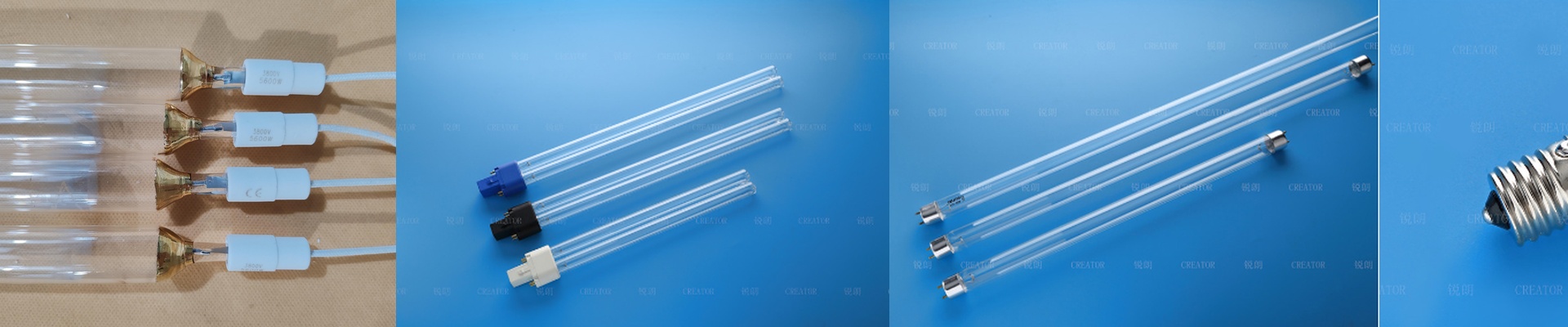
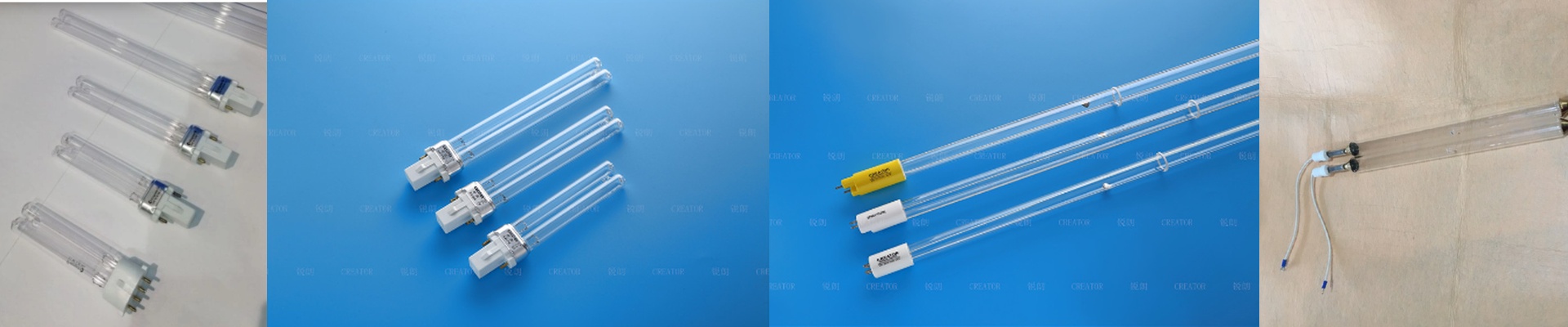
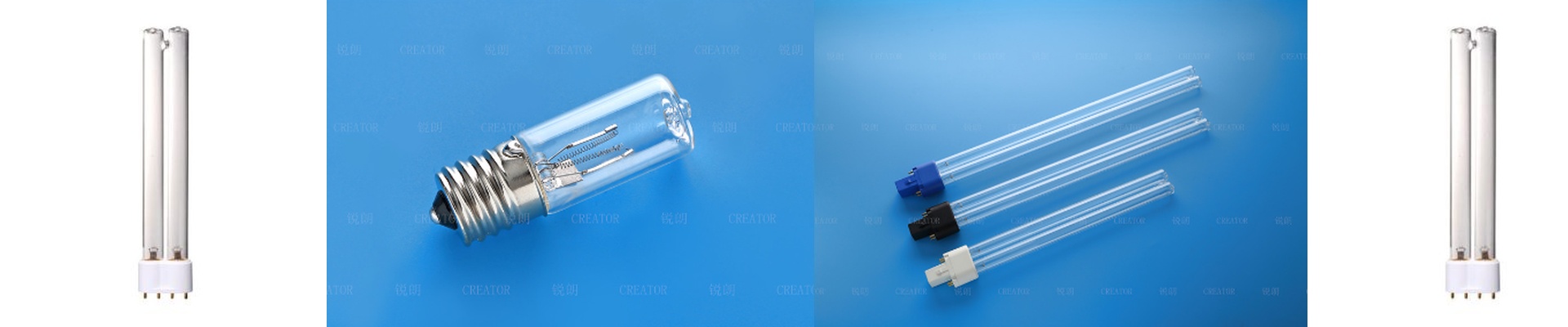
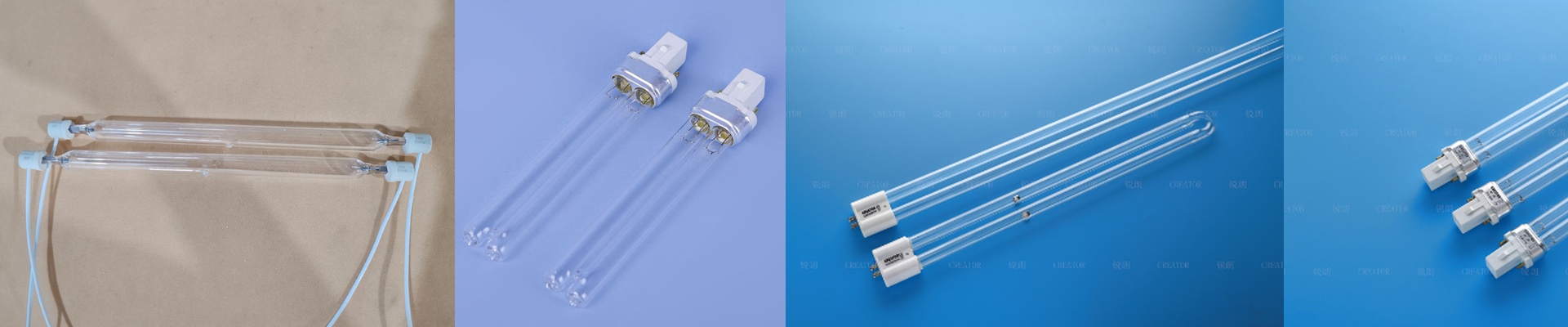
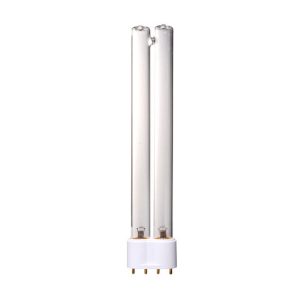
In cold-chain work, a lamp’s disinfection claims don’t mean a thing if it can’t deliver a repeatable UV dose at -20°C. Standard UVC mercury lamps choke when vapor pressure drops—arc stability goes to hell, and output collapses. The fallout is inconsistent log reduction, wasted cycle time, and microbial control you can’t bank on. What actually matters under the hood A low-temperature UVC mercury lamp has to be built around cold-start physics. The goal is stable 254 nm germicidal output, with a starting voltage that stays inside the ballast’s ignition window at -20°C. Choose envelope materials and fill chemistry that keep mercury vapor pressure where it needs to be, so the lamp strikes fast and hits rated intensity—no long, painful warm-up. Internal construction needs to handle the thermal shock of repeated cold starts, and the wiring and seals have to stay flexible without cracking. Then verify peak irradiance and dose stability at the working plane, not in some warm lab. Why this approach holds up in the field In refrigerated warehouses and truck bodies, the lamp has to start on command and deliver target intensity every time. With this design, output stays consistent cycle after cycle, so scheduled disinfection runs without guesswork. Stable intensity means predictable dwell time and repeatable microbial reduction—exactly what you need for compliance documentation. The system is built for continuous operation in cold airflow, which helps cut unplanned downtime and keeps lamp replacements from popping up at the worst moment. What to watch for on the install Cold-chain UVC still comes down to matching the ballast and fixture. Confirm ballast compatibility for cold-start current and open-circuit voltage, and make sure the fixture’s thermal design doesn’t create hot spots that will cook the lamp prematurely. Positioning and shielding matter, too—reflectivity and operator safety have to be part of the plan. And when it’s time to verify performance, measure it with a calibrated radiometer at the intended mounting height and temperature.