Getting the Cure Right: A No-Nonsense Guide to Mercury UV Bulbs
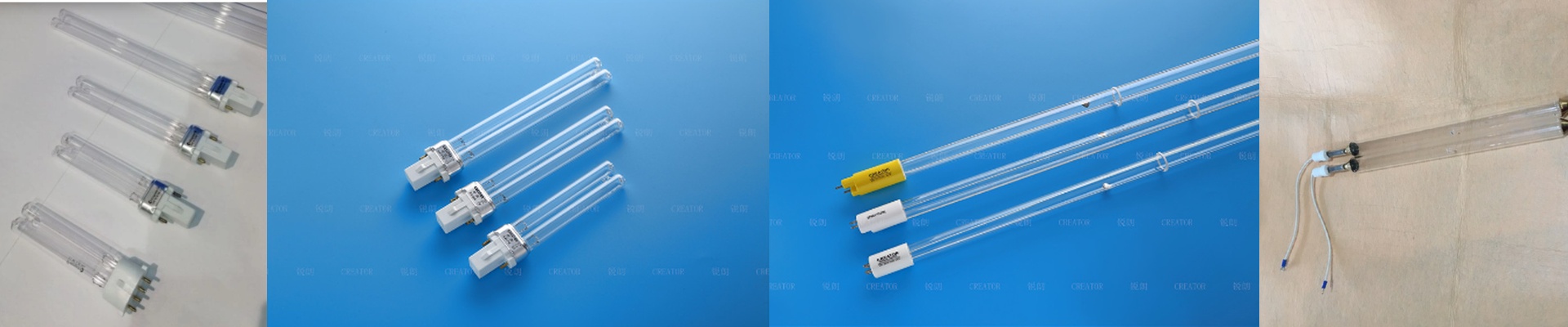
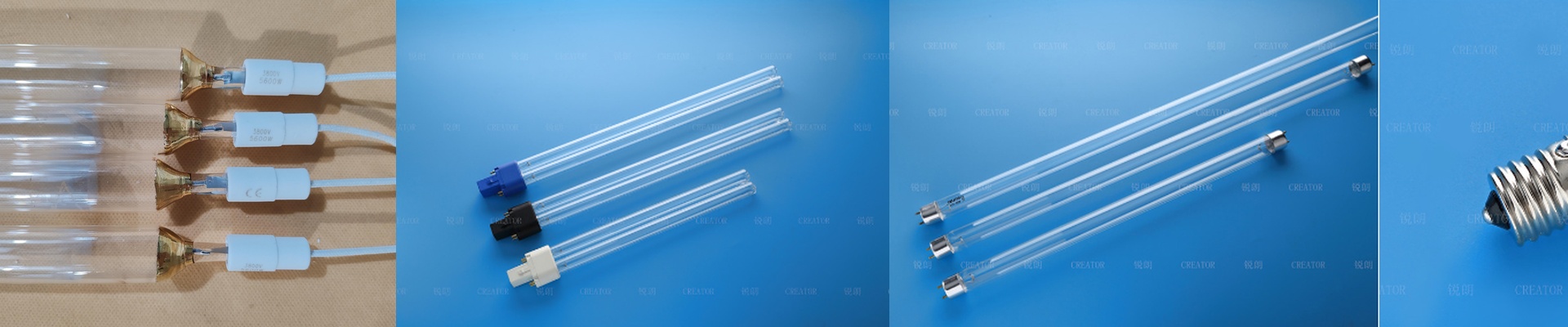
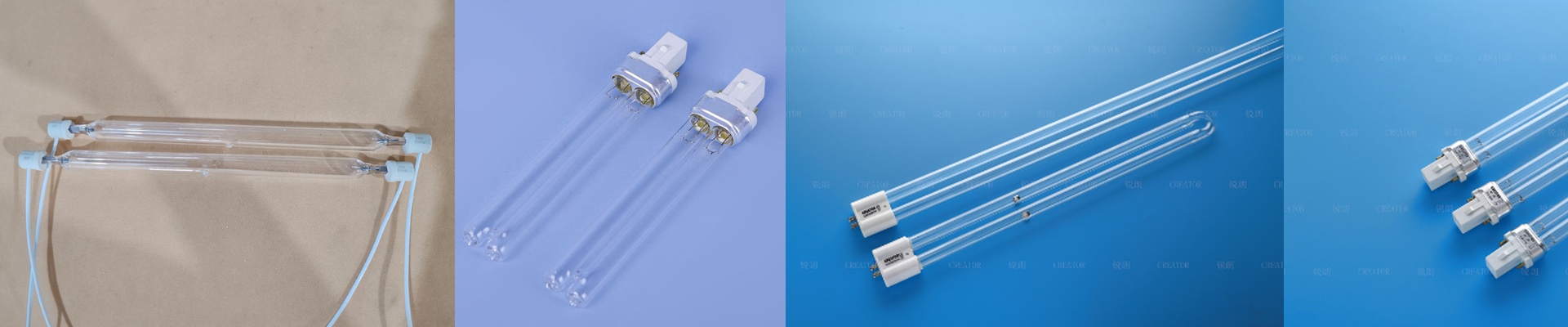
If you’re in textile printing, you know that mercury vapor lamps are the real heavy lifters. They do the dirty work of photopolymerization—which is just a fancy way of saying they flash that liquid ink into a solid, permanent bond with the fabric. Because if that ink doesn’t set the second it hits the material? You’re looking at smudges, blurry lines, and ink that just peels right off. Nobody wants that. How the magic actually happens Inside these bulbs, an electric arc jumps through vaporized mercury. This creates a broad blast of UV light, specifically hitting those 254nm and 365nm wavelengths that the ink loves. We use high-purity quartz glass for the tubes because regular glass would just soak up all that UV light. We need it to get out of the bulb and onto your fabric. One thing to keep in mind: wattage and length aren’t just random numbers. A longer tube gives you a wider curing area, but it needs more voltage to keep that arc jumping. You’ve got to make sure your ballast matches the bulb’s needs. If you under-power it, your ink stays tacky. And tacky ink is a nightmare. Dealing with the heat Most of our bulbs use standard end-caps, so when one finally gives out, you can just pop a new one in and get back to work. No need to spend half a day rebuilding your rig. But here’s the catch: these things gethot. Really hot. A lot of the energy doesn’t even go into the UV light; it just turns into infrared heat. You’ll need a solid cooling setup—think forced air or water-cooled jackets. If you skip this, you risk scorching your fabric or watching your ink shrink right before your eyes. The trade-off Mercury lamps give you incredible intensity, but they don’t last forever. Here is the tricky part: the bulb might still be glowing bright, but the electrodes wear down over time. This means the actual UV output drops even though the lamp looks fine. My best advice? Keep a close eye on your hour-counts. Don’t wait for your quality control team to find a batch of half-cured prints. Just swap the bulb out once you hit the limit. It’s a lot cheaper than wasting a whole roll of fabric.