The Obsession with 0.5%
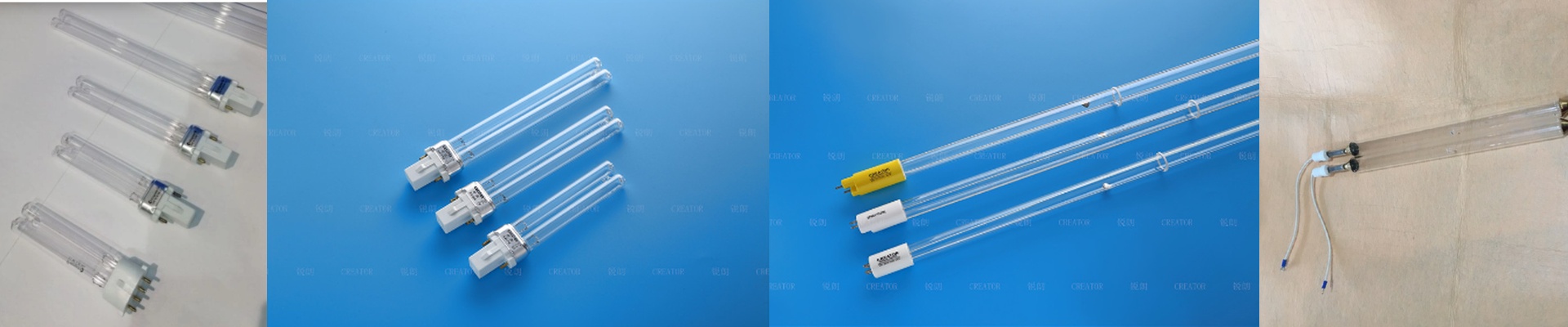
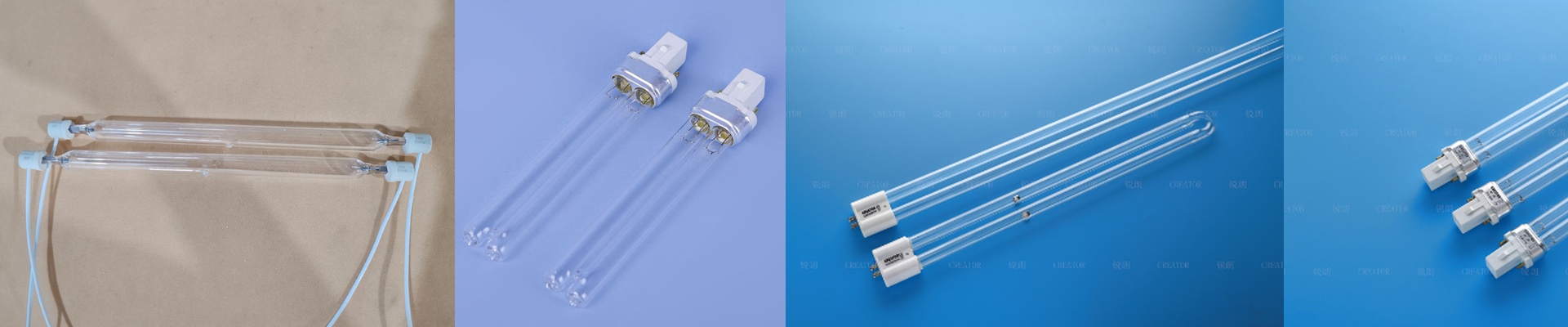
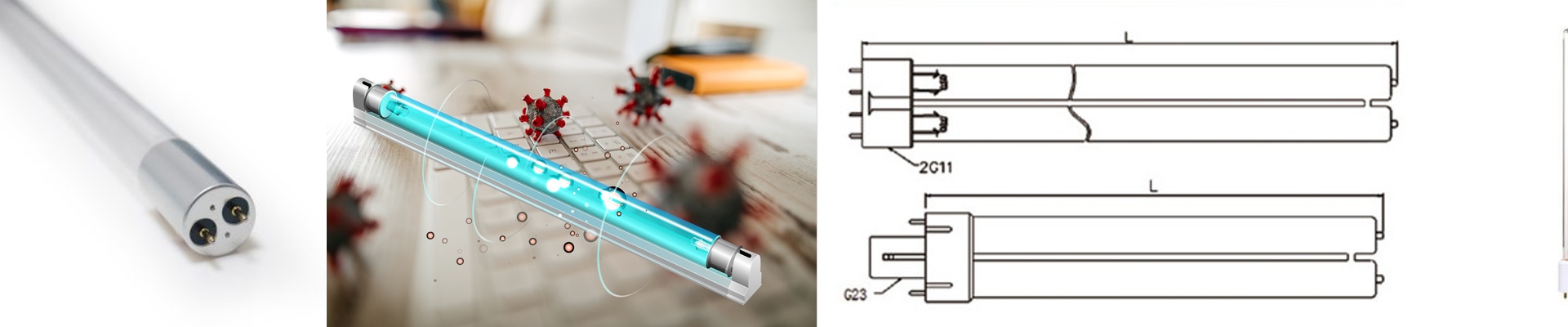
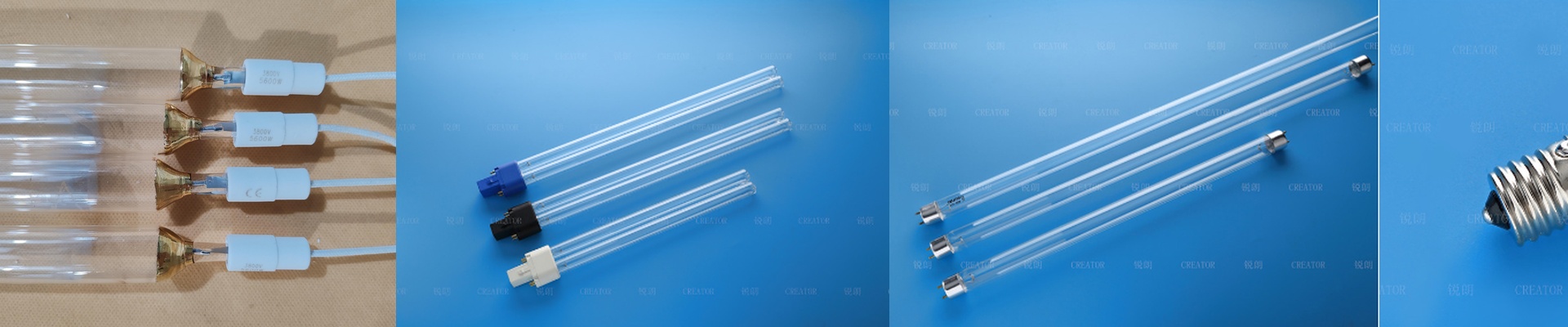
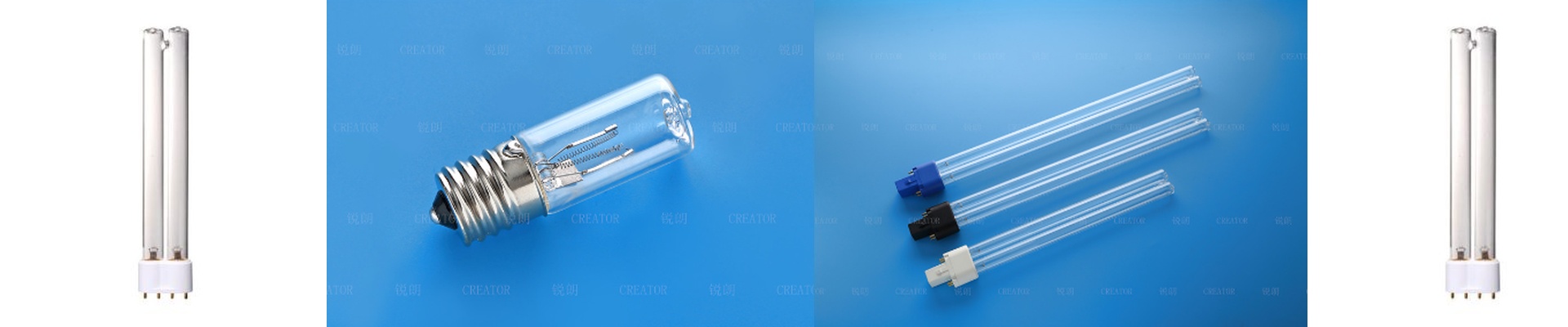
If you look at most wholesale UV lamps coming out of China, they look fine on paper. They hit the wattage, they’re the right length—everything seems okay. But they completely ignore how the spectral energy is actually spread out. We spent the last few months obsessing over a 0.5% variance in energy concentration. I know, it sounds tiny. Almost pointless. But if you’re running a high-speed curing line, that tiny sliver of a difference is exactly what separates a perfectly cured surface from a tacky, sticky mess that ruins your batch.
Getting the physics right
To get this level of precision, we had to go back to the basics. We spent a lot of time messing with the electrode geometry and the gas mix inside the tube. Here’s the problem: when energy isn’t concentrated, you get “cold spots” along the lamp. It’s inconsistent. To fix that, we tightened the tolerances on the quartz tube walls. We needed the plasma arc to stay dead-center. If that arc wanders even a little, your spectral output shifts, and you’re back to square one. We didn’t just guess, either. We used a spectroradiometer to make sure the peak wavelength stayed locked in. No drifting.
The catch (because there’s always one)
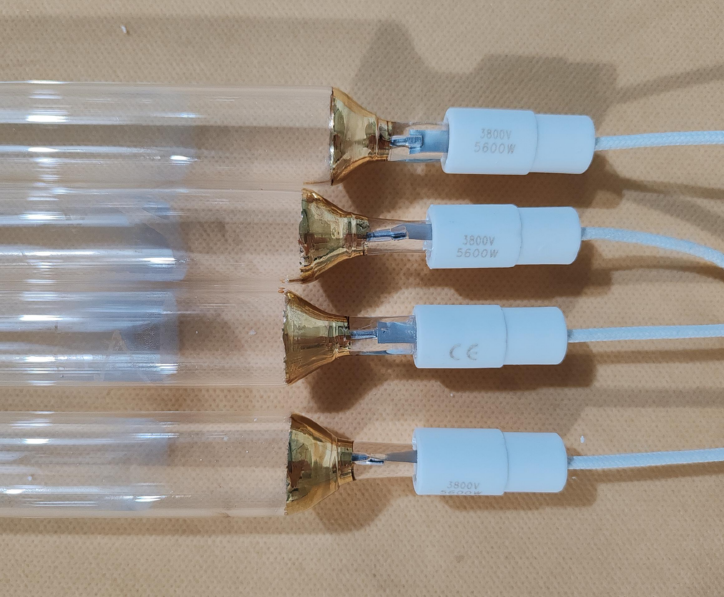
Concentrating energy like this creates some serious heat in a very small area. You can’t just cram more power into a standard tube or you’ll blow it out. This means you have to be careful with your ballast. If you try to run these on a cheap, unregulated power supply, you’ll probably kill the lamp in a week. You’ll also need to make sure your cooling system can actually handle the thermal load at the center of the tube. It’s a powerful tool, but you have to treat it right.
Real-world results
We built this for the engineers who are actually on the floor running PET blowing or high-end coating lines. The goal was simple: a drop-in replacement. You shouldn’t have to spend your whole afternoon recalibrating your conveyor speed just because you changed a bulb. By narrowing that spectral energy window, we managed to shave several seconds off the curing time per unit. It’s not magic—it’s just tighter tolerances. It fixes the bottleneck in your process without the fluff.