Getting Your Textile Curing Right: The Truth About UV Lamps
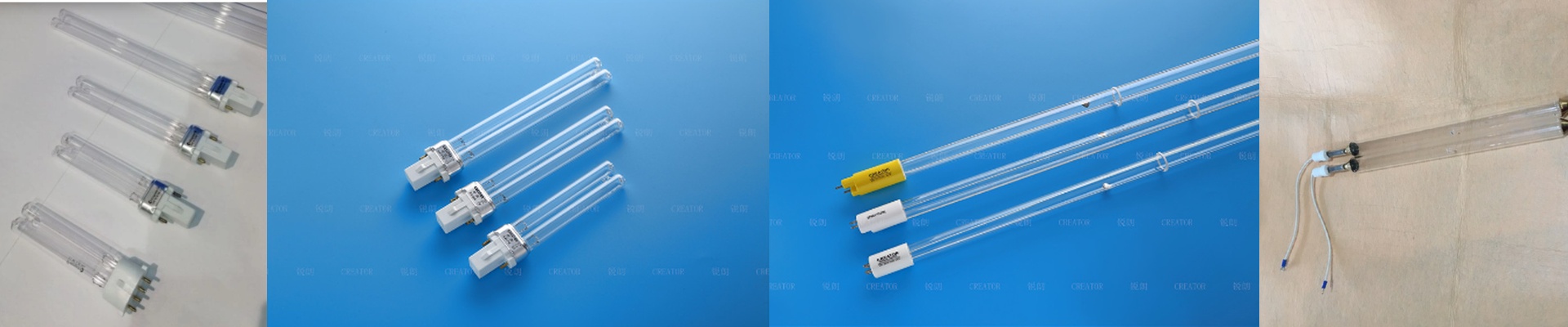
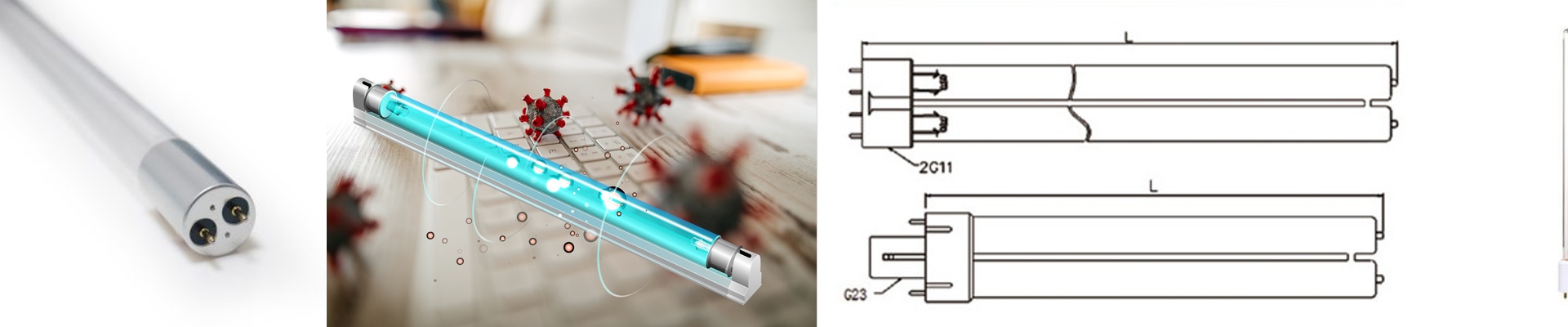
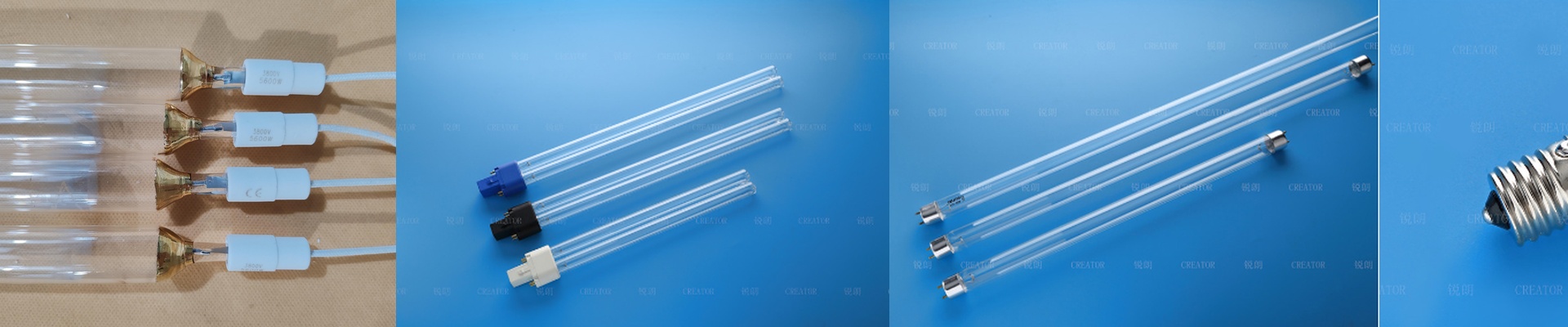
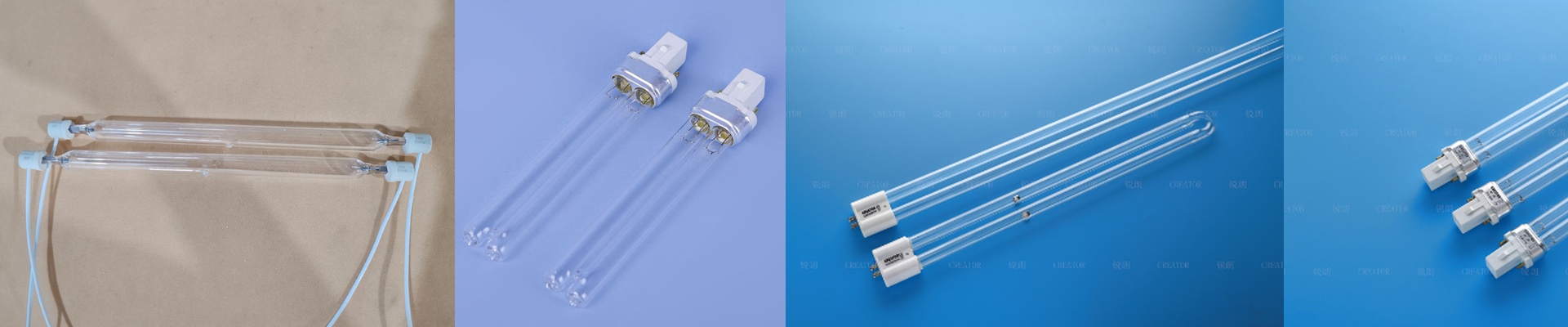
We build quartz UV lamps for industrial curing lines. If you’re in textile printing, you already know the struggle: you need the ink to lock into the fibers instantly, but you can’t accidentally scorch the fabric. It’s a delicate balance. You need enough power to cure the ink, but not so much that you ruin the material. The secret is in the glass. We use high-purity fused quartz. Why? Because it lets the UV light through without fighting it, and more importantly, it doesn’t freak out when the temperature spikes. Cheap glass is a disaster waiting to happen—it’ll crack the second you power it up. We also tweak the gas mix and the electrode spacing inside the tube. This ensures the light hits the exact wavelength your ink needs to dry. No one likes that annoying “tacky” feeling on the fabric surface; our goal is to get rid of that entirely. Finding the sweet spot Our tubes are designed to be drop-in replacements. You just tell us the length and wattage you need for your specific line speed, and we make it happen. But here is the thing: you can’t just crank up the wattage and call it a day. Higher power means faster curing, sure, but it also means more heat. If your exhaust fans can’t keep up, you’re going to overheat your fabric. It’s all about balancing that power density with how fast your conveyor is moving so your fabric doesn’t shrink. Don’t let your quality slip UV lamps don’t last forever. Eventually, the electrodes wear out and the quartz gets cloudy. It happens to everyone. The best way to handle this is to keep an eye on your hourly run-time. Once your output dips below 80%, you’ll start noticing things—ink bleeding or prints that just won’t stick. Swap your tubes on a regular schedule. It’s the only way to make sure the first meter of fabric looks exactly like the ten-thousandth.