Stop Fighting Your UV Lamps: A Better Way to Handle High-Speed Printing
If you’ve ever walked a trade show floor, you know the drill. You see these fancy printing presses that can move at lightning speed, but then you look at the UV lamps and realize they just can’t keep up. It’s a classic bottleneck. When we head to the 2026 Printing Expo, we aren’t there to hand you a catalog and tell you to “pick a part.” That’s not how this works. We’re there to talk about how to actually fix your curing problems by tweaking the spectral output and getting the heat under control.
Getting the Power and Length Right
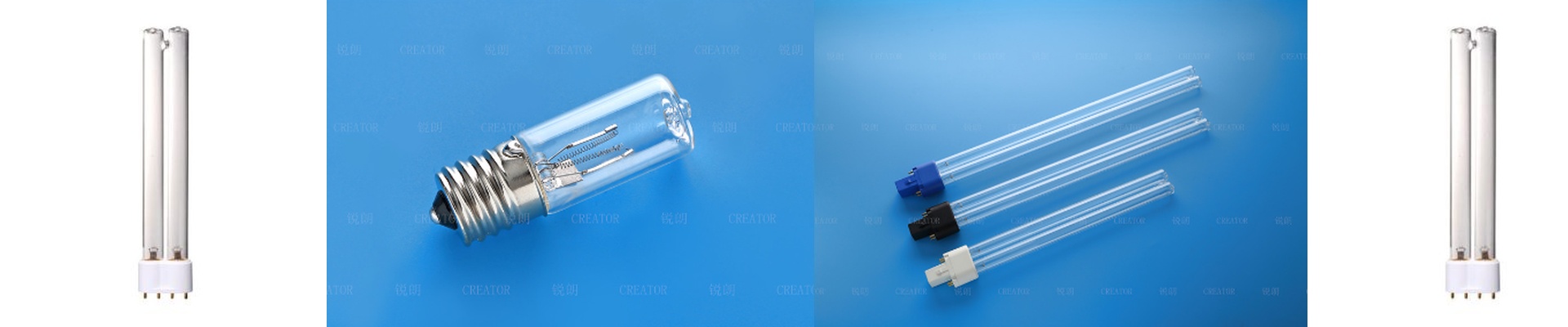
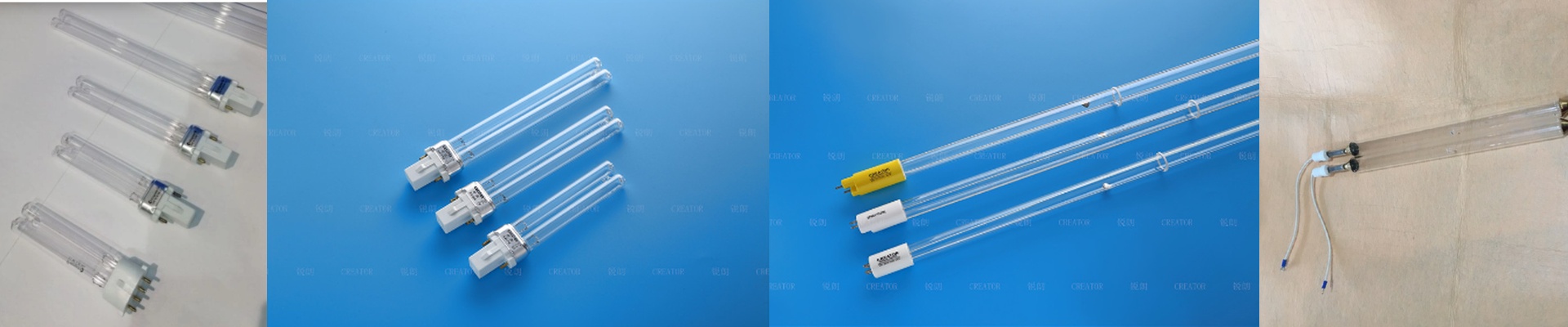
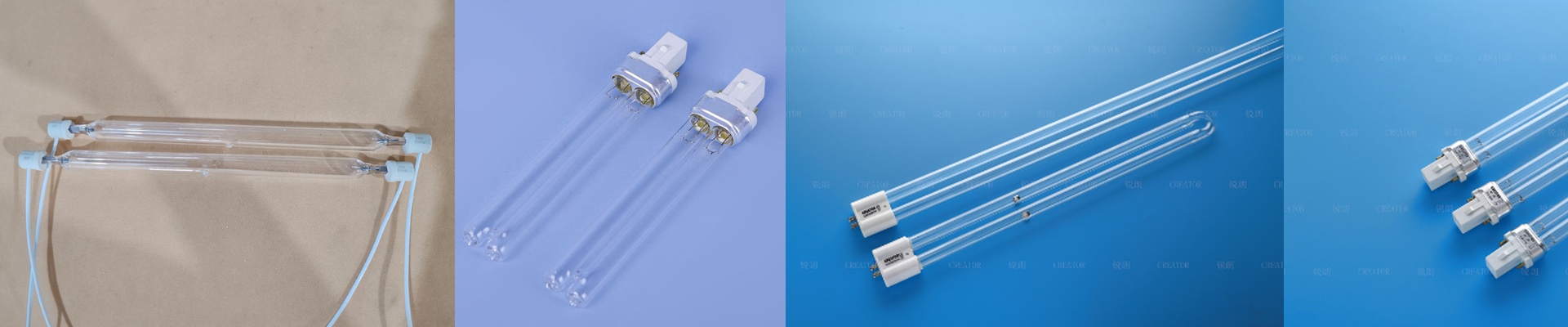
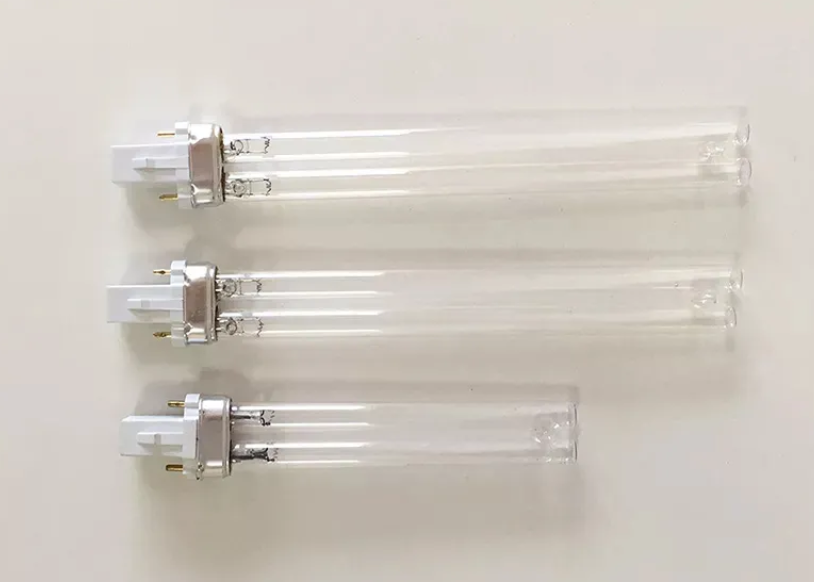
Here is the thing about mercury lamps: they’re a balancing act. You have to get the pressure and temperature just right to keep those UVC and UVB peaks where they belong. We figure out the tube length and wattage based on how fast your conveyor is actually moving. Sure, a longer tube gives the ink more time to sit under the light. But if the supports aren’t dead-on, those tubes can start to bow. Then there’s the voltage. If it’s not calibrated, the arc gets shaky. And if your wattage is too low for the length of the tube? You’ll end up with “wet spots” on your prints. Nobody wants to pull a batch of tacky prints off the line.
The Heat Struggle (and How We Fix It)
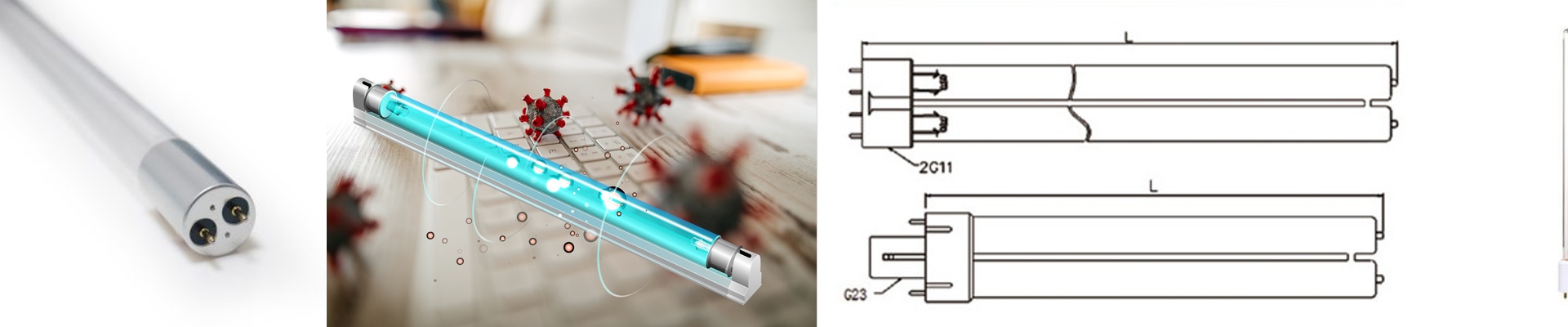
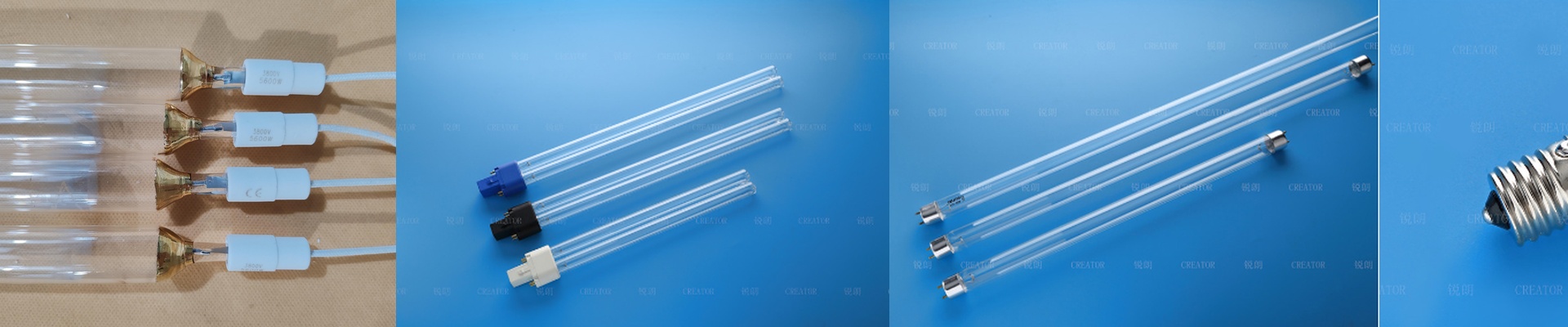
We pack the lamp, the reflector, and the cooling system into one single footprint. We use high-purity quartz because standard glass eventually clouds over—what the engineers call solarization—and that basically kills your UV output. Plus, we design these as drop-in replacements. You shouldn’t have to rip out the wiring of your entire press just to upgrade your lights. But let’s be honest: high-intensity mercury lamps gethot. Like, really hot. To get the power density you need, we have to push the limits. That means your fans or water jackets have to be up to the task. If your airflow is choked, the lamp is going to overheat and burn out way faster than it should.
Real-World Printing
At the end of the day, this is all about photopolymerization. By tuning the mercury vapor pressure, we make sure the UV light actually digs deep into the ink. It stops that annoying “skinning” effect—where the top looks dry and polished, but the base is still gooey. You get a hard, permanent cure in a much shorter distance. It just works.