Getting the Spectrum Right: The Fight for 0.5% Concentration
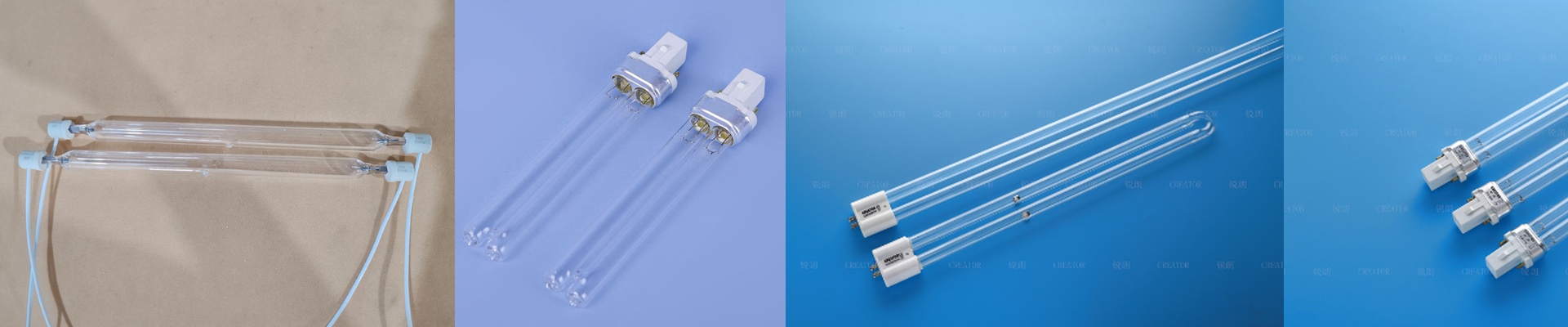
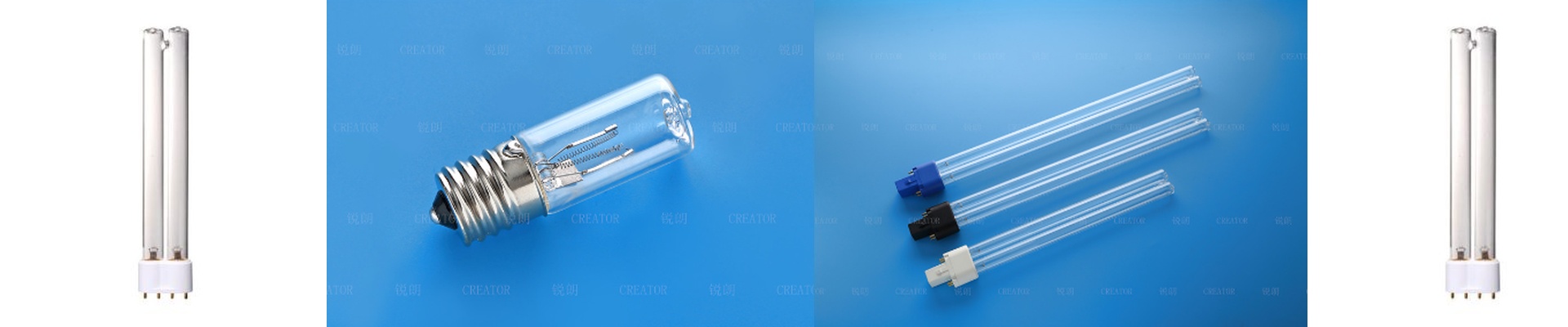
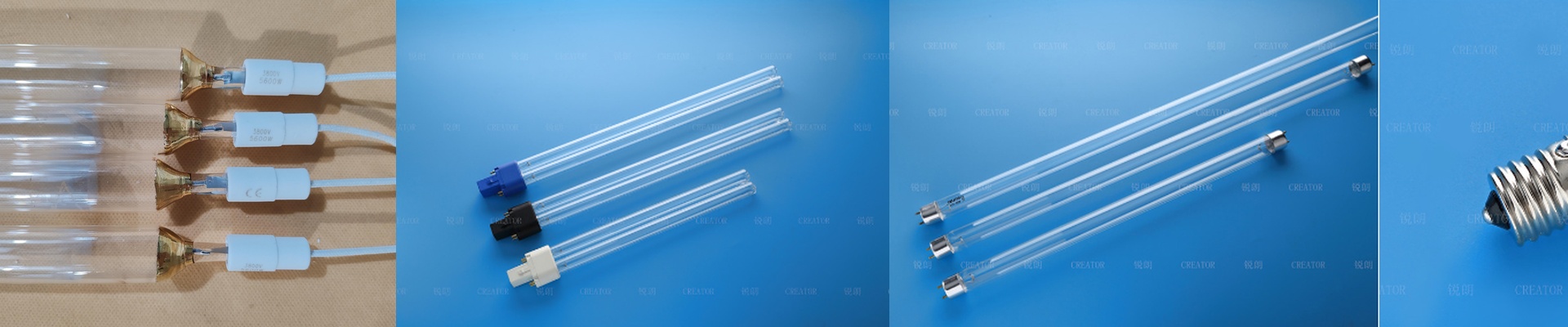
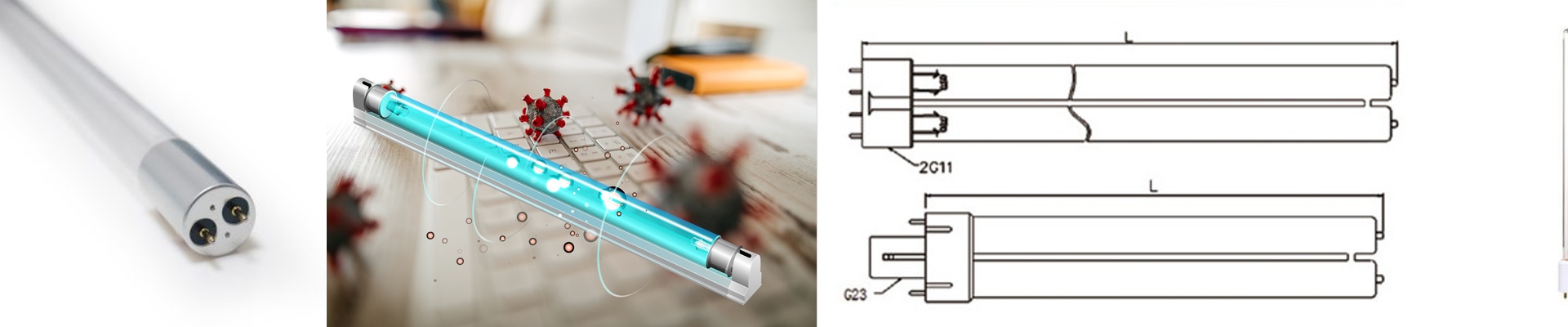
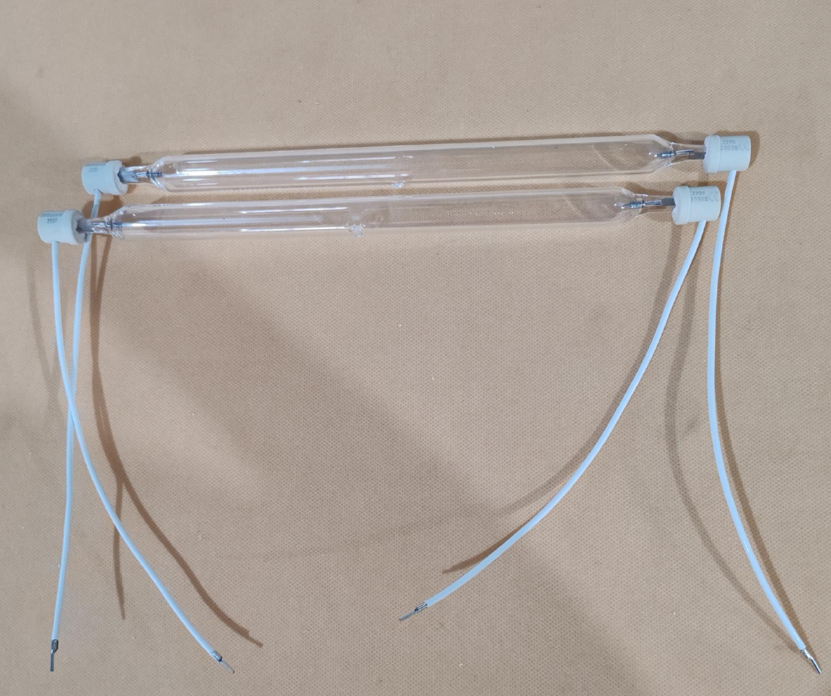
Most UV lamps you’ll find are just… general. They throw light everywhere. We spent our last development cycle obsessed with something different: hitting a 0.5% spectral energy concentration. It’s not about making the lamp “brighter.” It’s about precision. We wanted to squeeze that energy into a tiny window so the photons hit the exact wavelength needed to snap those chemical bonds during curing. The tricky part? The physics. High-pressure mercury lamps work by creating an electric arc in vaporized mercury. To get that 0.5% window, we had to get aggressive with the internal gas pressure and the purity of the quartz envelope. If the pressure drifts even a little, the spectral line widens. Suddenly, you’re wasting energy on wavelengths that don’t even help. To stop that, we tightened the tolerances on the arc tube diameter. It keeps the plasma stable. It’s a tight squeeze, but it works. But there’s a catch. We use high-grade synthetic quartz to stop the glass from clouding over (solarization). But when you cram that much energy into such a narrow band, things get hot. Really hot. You get an incredible UV output, but you also get a massive hit of infrared heat. This means you can’t just toss these into an old fixture and call it a day. Your cooling blowers need to be up to the task. If they aren’t, the heat flux will stress the quartz until it cracks. Why bother with all this? This is for the engineers who are pulling their hair out because of “under-cure” or that annoying surface tack—even when they’ve cranked up the wattage. By concentrating the energy, we cut down the time the part spends under the lamp. That’s the win. It stops the heat from soaking into the material and warping your plastic. We designed these to be drop-in replacements for standard tubes, as long as your ballast can handle the startup voltage. Just a heads-up: keep your voltage clean. If your power supply is shaky, the arc will flicker, and you’ll lose that precision we worked so hard to get.