Dealing with Electrical Noise in Gallium Iodide UV Systems
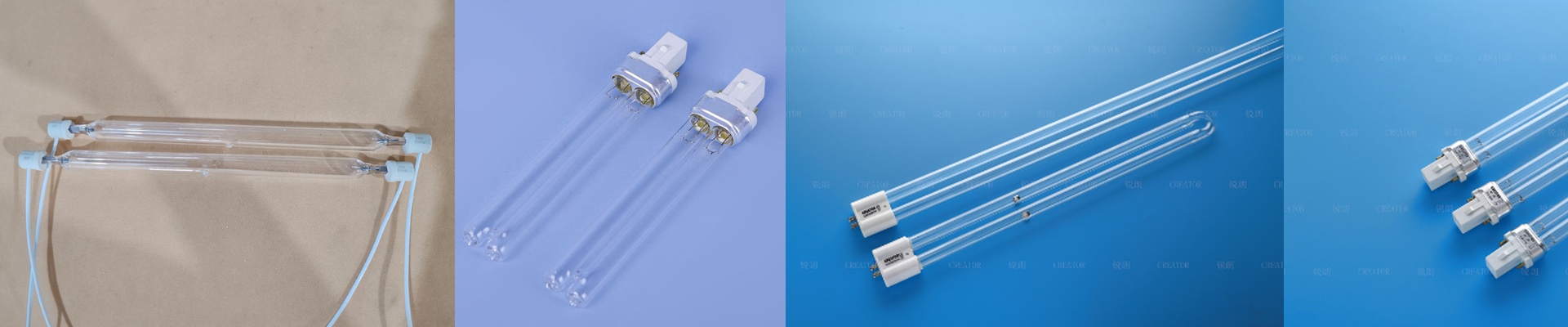
Gallium iodide lamps are great because they hit those specific wavelengths that actually get deep into thick inks and coatings—stuff that standard mercury lamps just can’t reach. But here’s the problem: when you’ve got a handful of massive printing presses humming away in one shop, the electrical environment gets messy. Between the heavy motors and high-frequency power supplies, you get a lot of electromagnetic interference (EMI). In plain English? Electrical noise. And that noise can make your UV lamps flicker or just lose their punch right when you need them.
Keeping things steady
We build our lamps to take those electrical hits. It mostly comes down to how we handle the ballast matching and the shape of the electrodes. Think about a typical shop floor. You’ve got five or six presses running at once. Voltage is going to jump and dip. It’s just what happens. We spec our internals to keep the arc discharge steady, even when the power line acts up. Why does that matter? Because if the lamp “stutters,” you get uncured streaks on your work. And nobody wants to scrap a whole run because of a power flicker.
The trade-off: Gallium Iodide vs. Mercury
We use gallium iodide because it shifts the emission spectrum, which is a must for certain ink chemistries. You get a much deeper cure. But there is a catch. These lamps are a bit more sensitive to heat than your basic UV tubes. **Keep your cooling fans clean.**Seriously. If the housing overheats, the chemistry inside the lamp can shift, and your UV output won’t be where it needs to be.
Getting them running on your floor
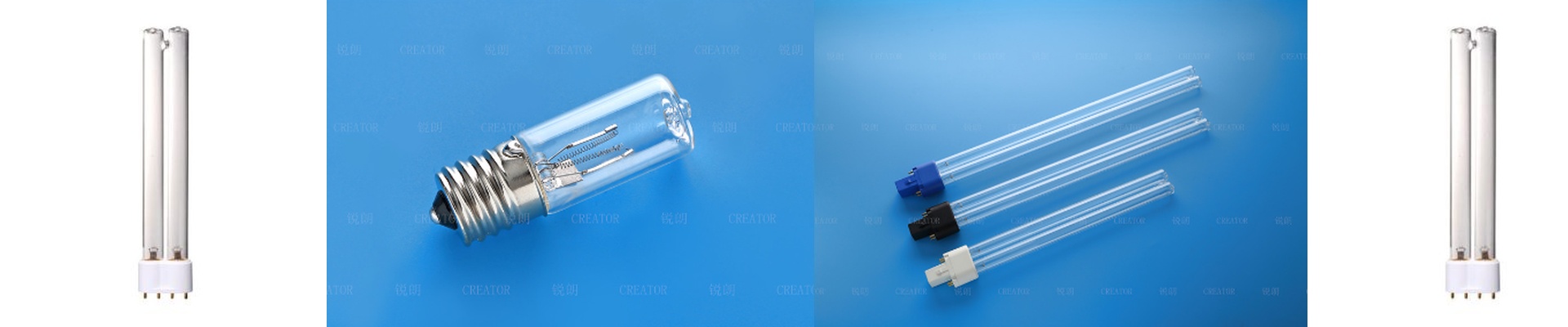
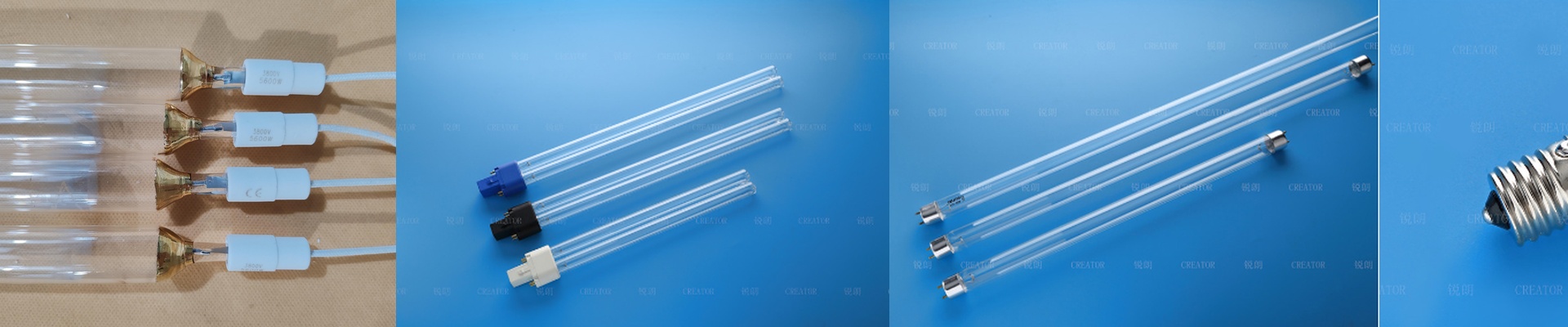
The good news is these are basically drop-in replacements for most industrial arrays. We’ve spent a lot of time on the connection points. We want to make sure they stay put and don’t vibrate loose while your presses are screaming along at high speeds. You’ll notice they feel a lot more stable when you’re running several units side-by-side. Just a heads-up: a stable lamp can’t fix a bad building. If your plant’s grounding is a mess, no lamp is going to save you. Do yourself a favor and wire them to a dedicated circuit. It’s the best way to make sure the tubes actually last.