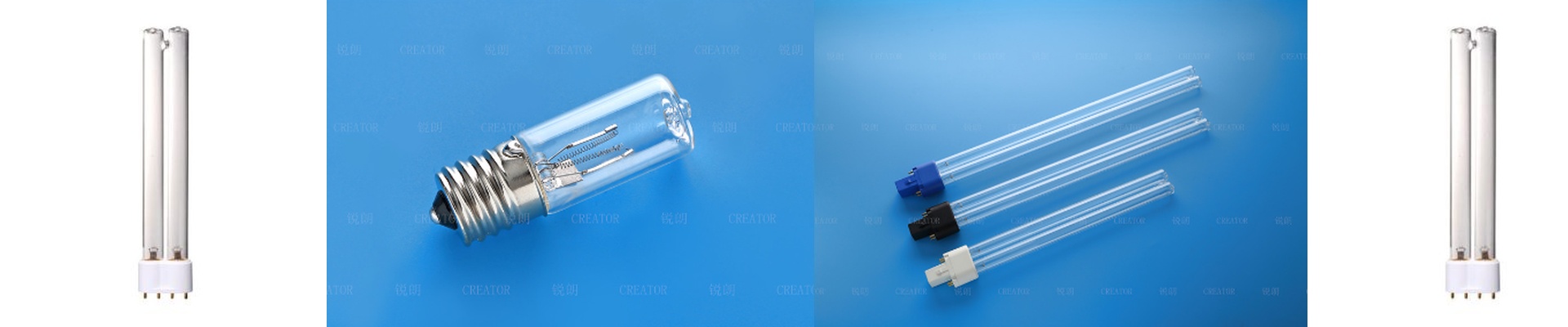
Why that CE mark actually matters for your UV lamps
When we’re building custom UV lamps over here in China, the talk usually starts with the basics: wattage and wavelength. But if you’re an engineer trying to slot these lamps into a production line in Europe or North America, you’re probably looking for one thing first. The CE mark. It’s easy to dismiss it as just some paperwork. But in reality? It’s the difference between a smooth rollout and a lamp that blows a fuse or starts a fire inside a high-speed curing tunnel. The gritty side of the tech Here’s the thing: UV lamps are beasts. They run on high voltages and get incredibly hot. If the insulation is sloppy or the shielding is off, you’ve got a problem. You might deal with current leaks or electronic noise that randomly crashes your PLC. That’s why we spend so much time testing for dielectric strength and leakage. We make sure the chassis is properly grounded. If you skip these standards, you’re basically inviting equipment downtime or a very uncomfortable safety audit. Liability is a headache you don’t want Let’s be honest—nobody in a high-end market wants to gamble with uncertified hardware. If you put a non-CE lamp into a machine, you’re the one holding the bag. If that lamp burns out and fries your surrounding circuitry, trying to get an insurance claim approved becomes a total nightmare. For us, CE is just the starting line for quality control. It pushes us to use better quartz and keep the tolerances on the electrodes tight. It just makes the product better. The real cost Sure, getting certified takes more time. It costs more, too, because the components are higher grade and the testing isn’t free. But compare that to the cost of a customs seizure or a full factory recall. Suddenly, the “cheap” uncertified lamp looks like a massive liability. We build to these standards so that when the lamp arrives, it’s a simple drop-in replacement. No guessing games. No safety scares. Just a lamp that works.