Getting Your PCB Curing Right with Gallium Iodide Lamps
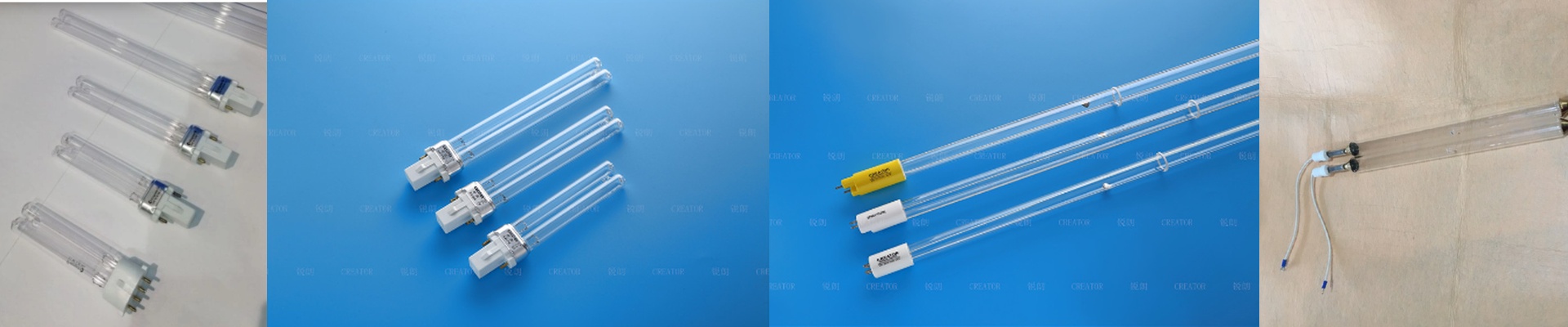
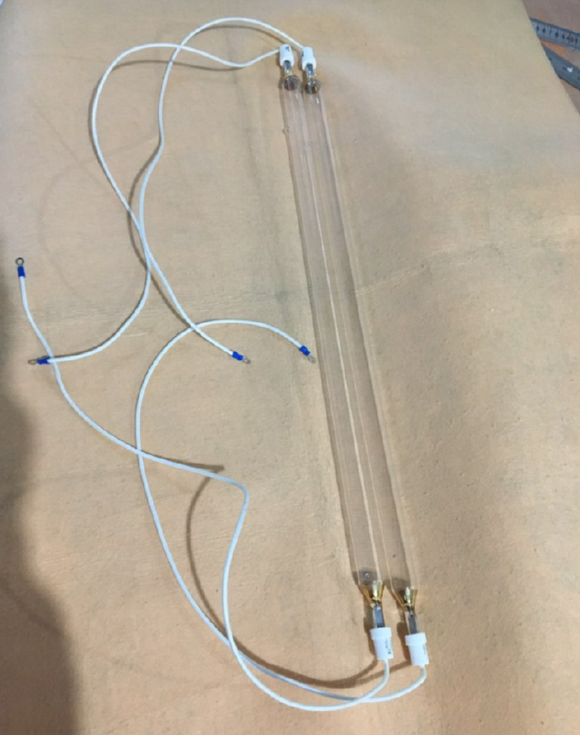
If you’re in the electronics game, you know the headache of photoresists. You need them to harden exactly where they’re supposed to, and not a millimeter more. That’s where Gallium Iodide (GaI) lamps come in. Unlike those generic mercury lamps you see everywhere, these focus almost all their energy on a very specific UV-C peak—right around 254nm. It’s the sweet spot for triggering polymerization. Precision matters. Here’s the thing: if your wavelength drifts even a little, you’re looking at incomplete curing or that annoying “bleeding” under the mask. It ruins the board. We build our GaI lamps to hit that window dead-on so the resist hardens instantly. Just keep an eye on your conveyor speed. If you bump up the wattage to push more boards through the line, you’ve got to watch the heat. Too much, and your substrate starts to warp. It’s a balancing act. The nuts and bolts We use high-purity fused quartz for the tubes. Why? Because regular glass drinks up UV light, and we want every bit of that energy hitting your board. We also beefed up the electrodes. High-frequency ballasts can be brutal on equipment, but these are built to take the hit without burning out early. And the best part? They’re usually just drop-in replacements. As long as your voltage matches the lamp’s operating arc voltage, you can just wire them into your current setup and get moving. The trade-off Nothing is perfect. You get a much sharper curing edge with GaI lamps than you do with broad-spectrum sources, but they run hot. Really hot. Because the energy is so concentrated, the quartz envelope gets toasted. You’ll want to make sure your cooling fans are actually doing their job. If the lamp overheats, the internal pressure climbs and your tube life plummets. We stand by the performance of these lamps against the big-name brands. The secret is really just in the purity of the gallium we use in the gas fill. It makes a difference you can actually see on the line.