Getting Your UV Setup Right in Textile Production
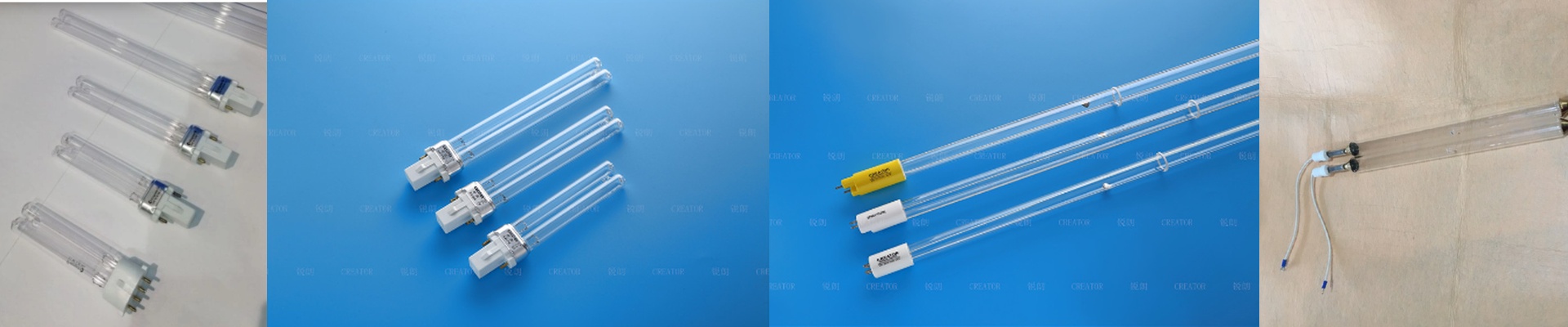
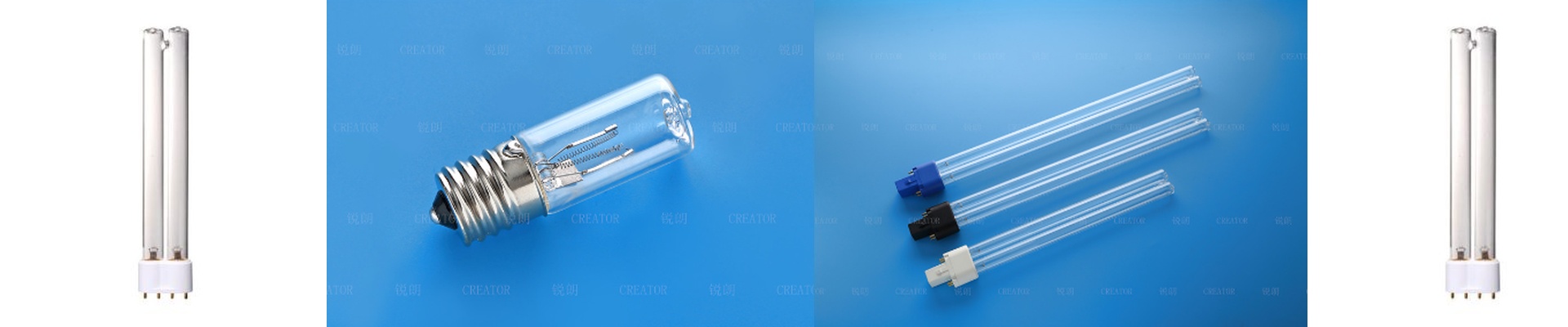
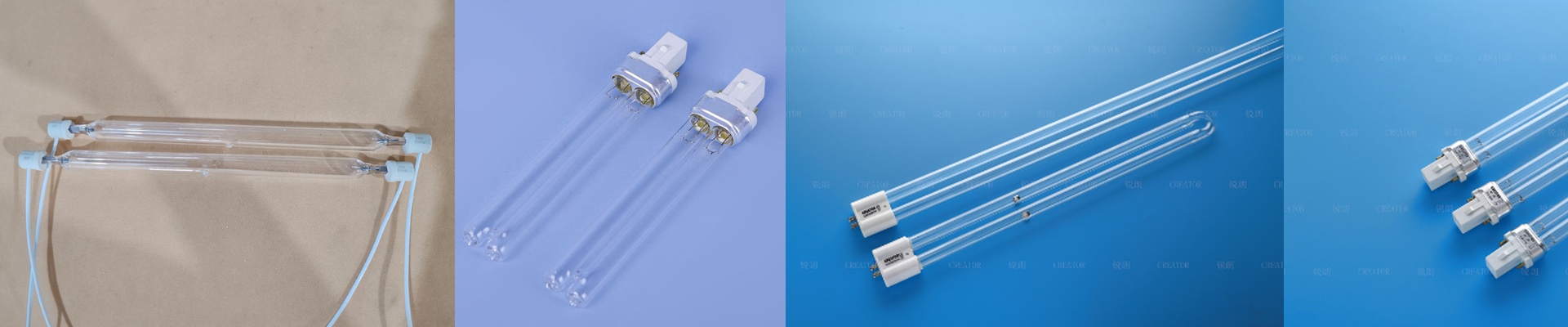
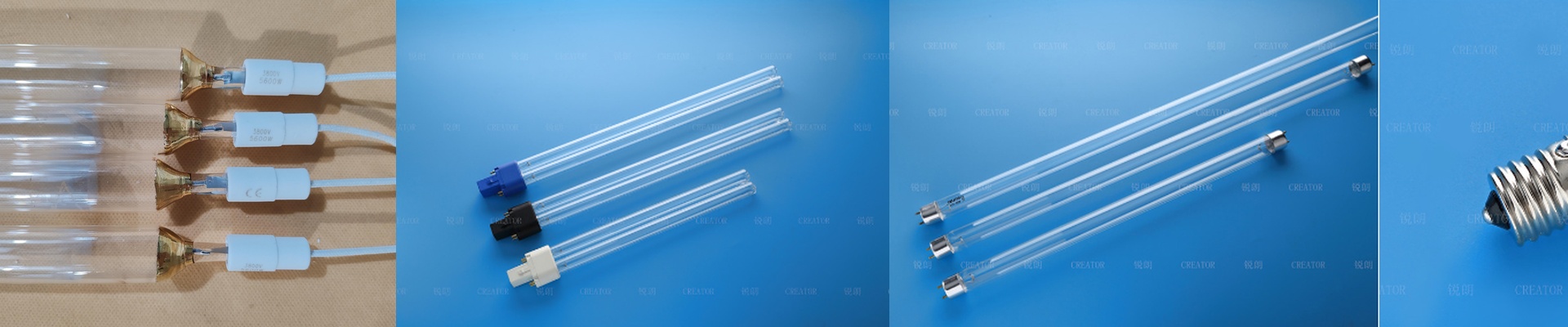
Textile work is about way more than just weaving and sewing. If you look closer, UV curing lamps are basically the hidden engine making the whole thing work. They handle the chemical bonding and finishing that keeps everything together. We build these lamps specifically for those tricky spots in your line where heat-sensitive fabrics would just melt or warp if you used a traditional oven.
Making it Work for Your Line
Here’s the thing: you can’t just grab a random lamp and hope for the best. Every ink or coating has its own chemical catalyst, so we tweak the wattage and wavelength to match. If you’re running a high-speed line, it’s all about the power density. If you crank up the speed, you need a stronger hit of UV light. Otherwise, the coating won’t cure by the time the fabric hits the rollers, and you’ve got a smeared mess on your hands. To keep things clean, we use quartz glass with specific dopants. It filters out the “bad” light that makes fabric turn yellow or scorch, making sure only the right peaks hit the photoinitiators.
The Hardware Side of Things
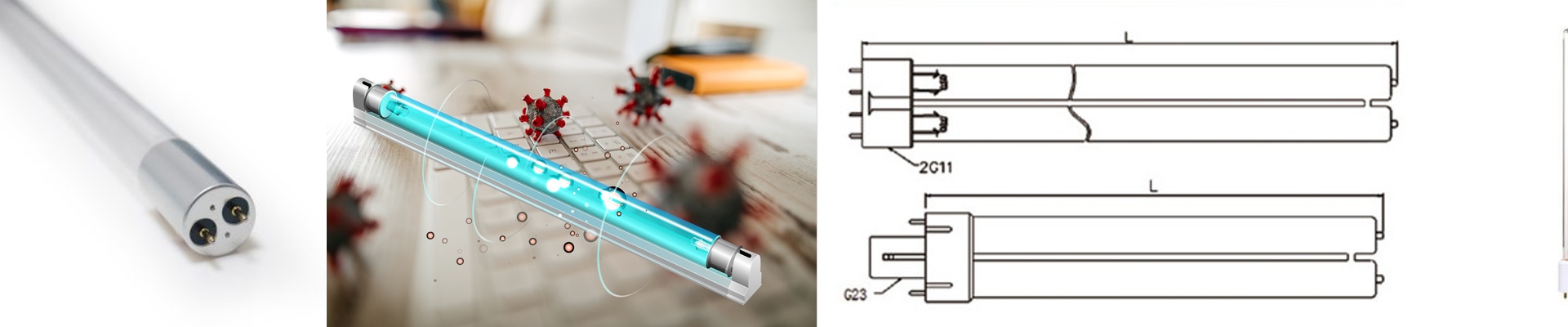
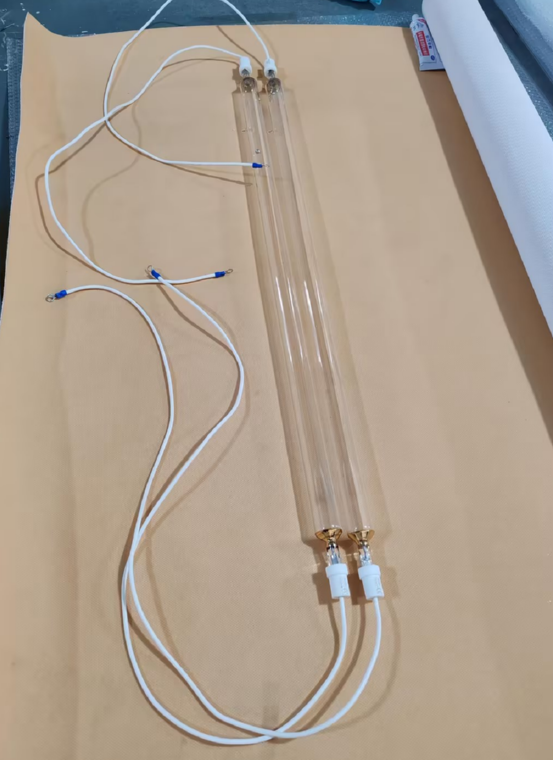
Nobody wants a nightmare installation. That’s why we build these to fit your actual footprint. We handle the custom lengths and connector types so they just slide right into your existing rigs. Whether it’s a weird flange or a specific pin setup, we make it a simple swap so you aren’t staring at a dead production line for hours. We use high-purity quartz so the tubes don’t burn out when you’re pushing them hard. But a heads-up: the more power you pull, the hotter the housing gets. If you’re running at max capacity, make sure your cooling fans or water-jackets are up to the task. If they can’t pull the heat away, your lamps won’t last nearly as long.
Why This Actually Matters
This is where it gets interesting. Whether you’re doing digital printing, waterproof coatings, or synthetic fibers, UV does the heavy lifting. When you ditch the thermal ovens for UV, your curing tunnel shrinks from meters down to centimeters. It’s a huge win. You get your floor space back, and more importantly, your fabric doesn’t shrink. It just works.