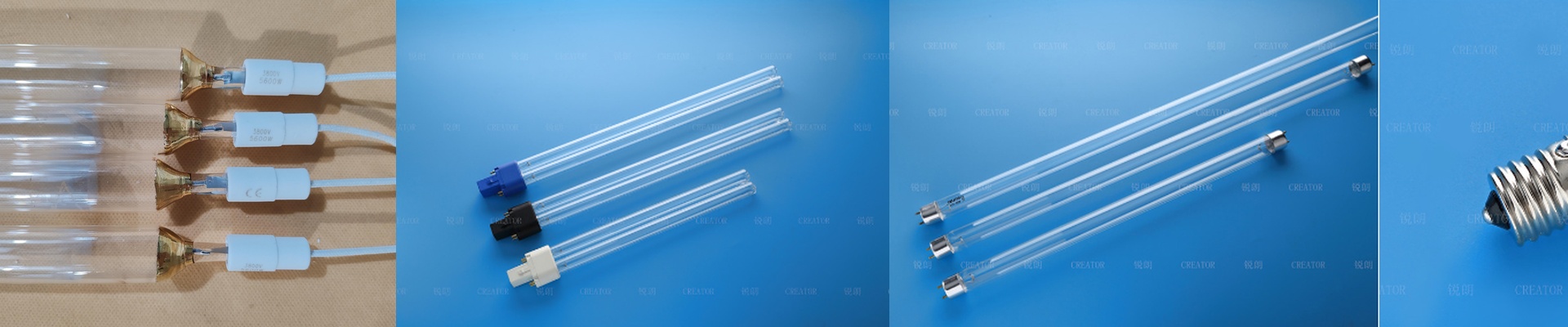
Getting Your Gallium Iodide UV Lamps Right
Let’s talk about Gallium Iodide (GaI) lamps. Most people stick with standard mercury vapor, but there are times when that just doesn’t cut it. Maybe you need a very specific hit of UV light—usually between 254nm and 310nm—or you need way more intensity than a basic bulb can provide. That’s where we come in. We’ve spent 15 years messing around with the chemistry to figure out exactly how to balance gas pressure and electrode stability. Why? Because nobody wants a lamp that burns out way before its time.
The Nitty-Gritty on Output
When we build a custom lamp for you, we start with two things: how much light you actually need and how much space you have in your machine. We tweak the voltage and wattage so the arc stays steady from one end of the quartz tube to the other. If you’re doing deep-layer sterilization or need something to cure instantly, we can crank up the wattage to get that photon density you’re looking for. **One quick warning, though.**Make sure your ballast matches the lamp’s impedance. If they aren’t in sync, you’ll end up with pitted electrodes and a lamp that dies far too early. It’s a simple mistake, but it’s a costly one.
How We Build Them
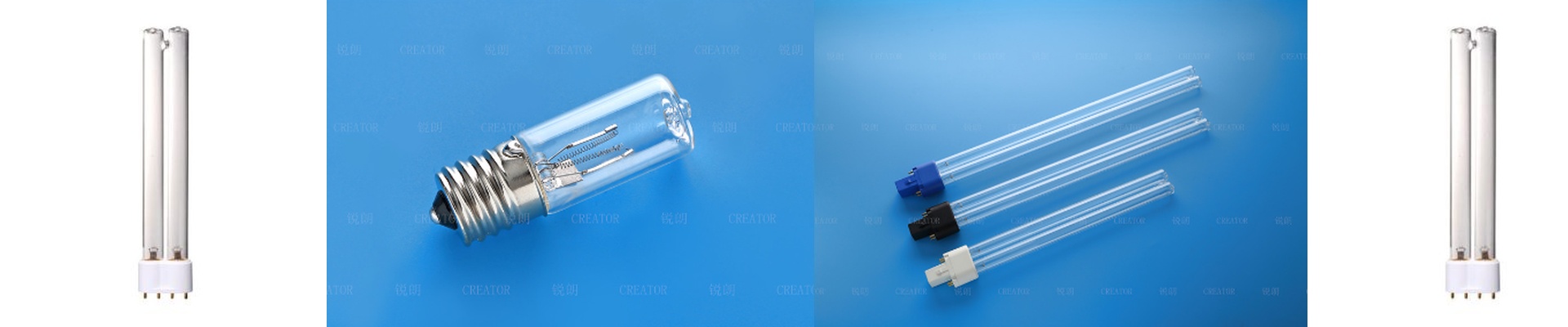
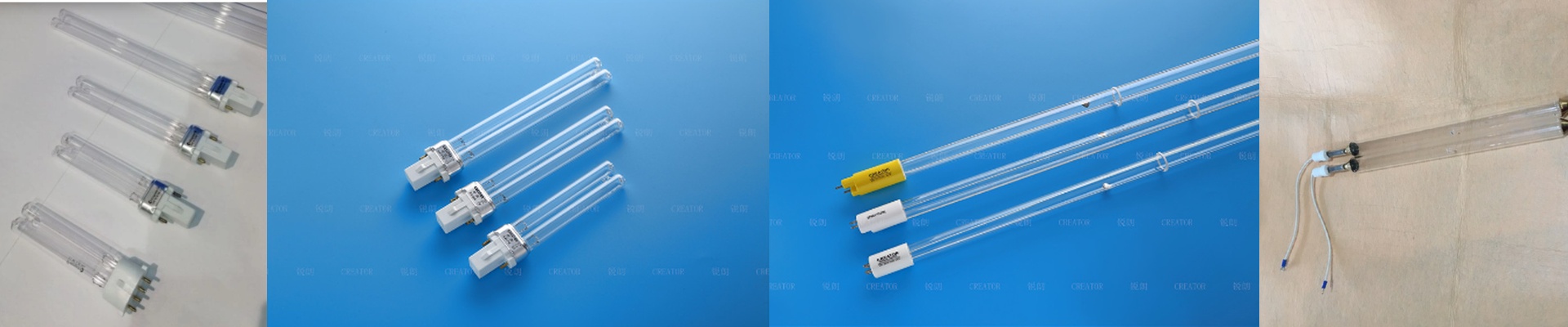
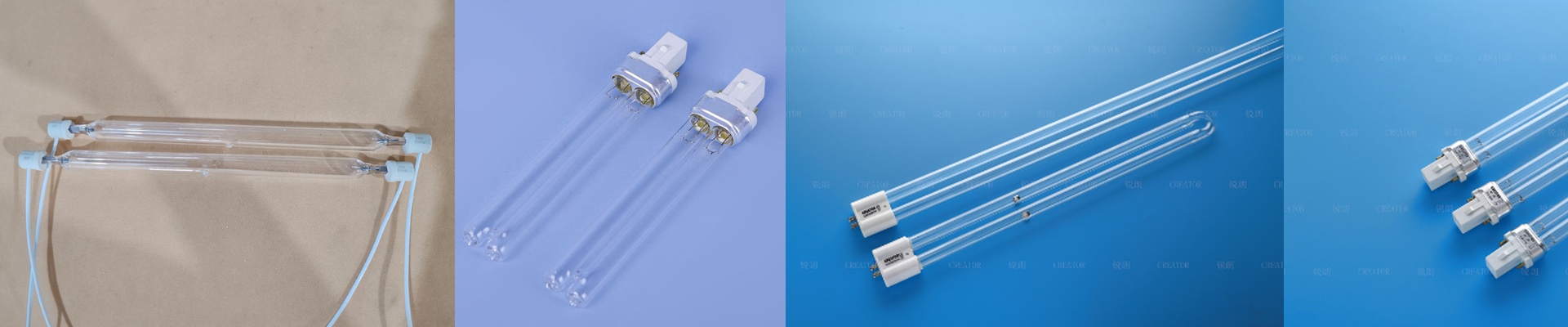
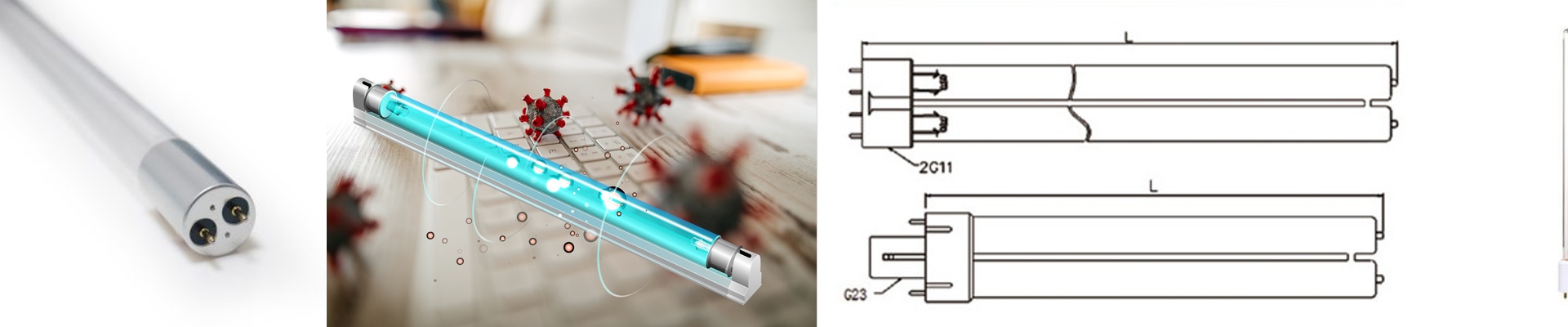
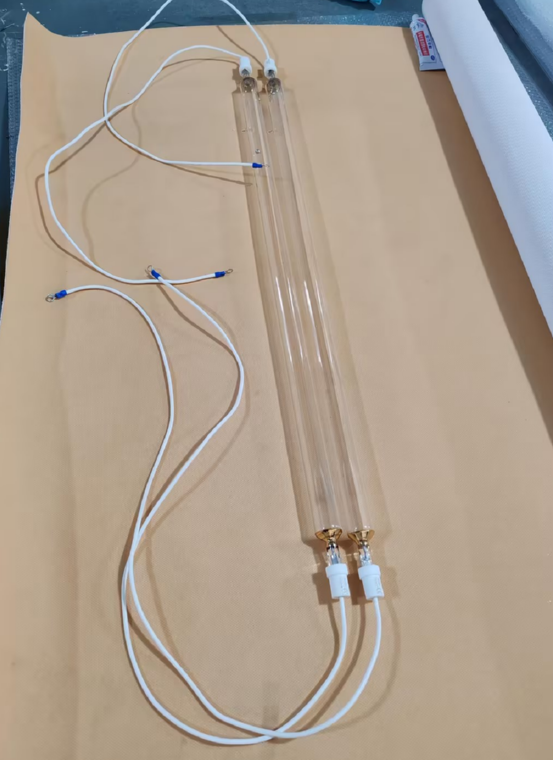
We use high-purity synthetic quartz. It’s clear, it’s strong, and it doesn’t soak up the UV light we’re trying to push out. Here’s the tricky part: Gallium iodide hates thermal shock. To stop the glass from cracking or failing, we carefully calibrate the wall thickness. It’s a balancing act between letting the heat escape and keeping the tube sturdy. And don’t worry about the installation. We design our connections to be drop-in replacements. You can just wire them up and get back to work without having to rebuild your entire housing.
Real-World Use
These lamps are powerhouses, but they runhot. Really hot. Because the energy density is so high, your cooling system—whether you’re using fans or a water jacket—needs to be up to the task. If the lamp gets too hot, the gallium iodide starts to degrade. Once that happens, your UV output drops, and your process fails. My best advice? Keep a close eye on your operating hours. Swap the lamps out before the intensity dips below your threshold. It’s much easier to schedule a quick change than to deal with a failed batch of product.