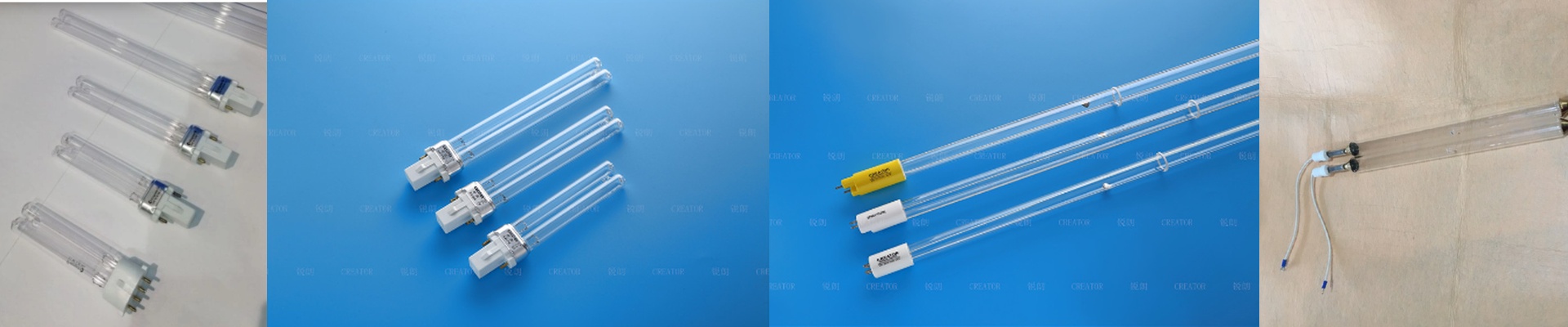
Let’s Talk Gallium Iodide UV Lamps
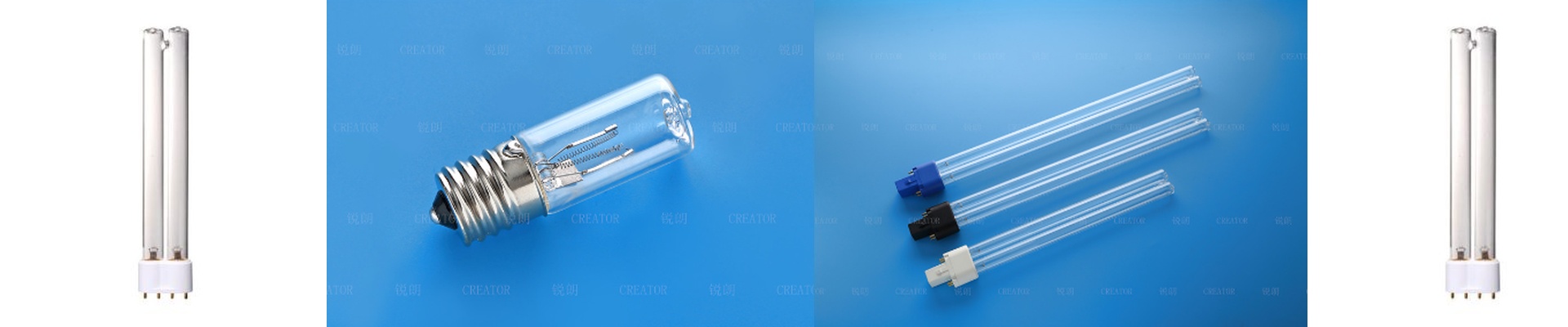
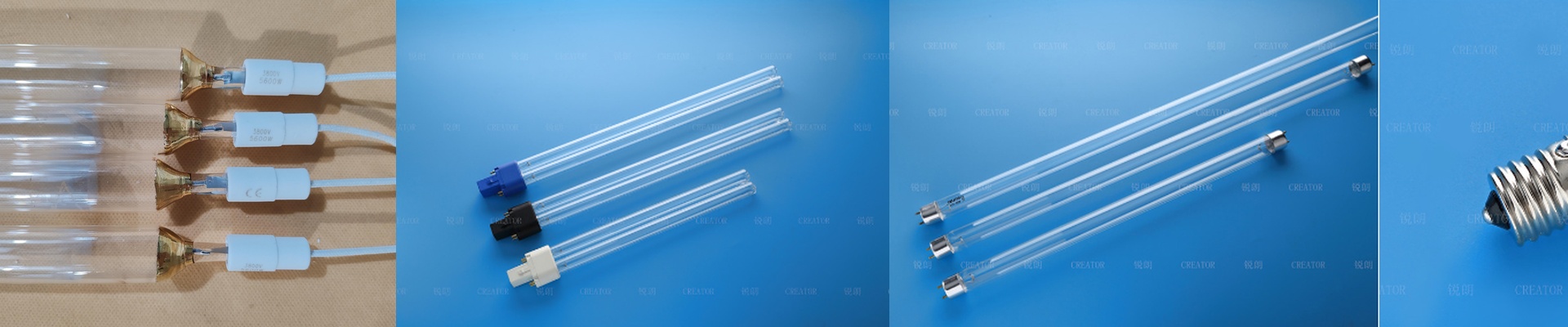
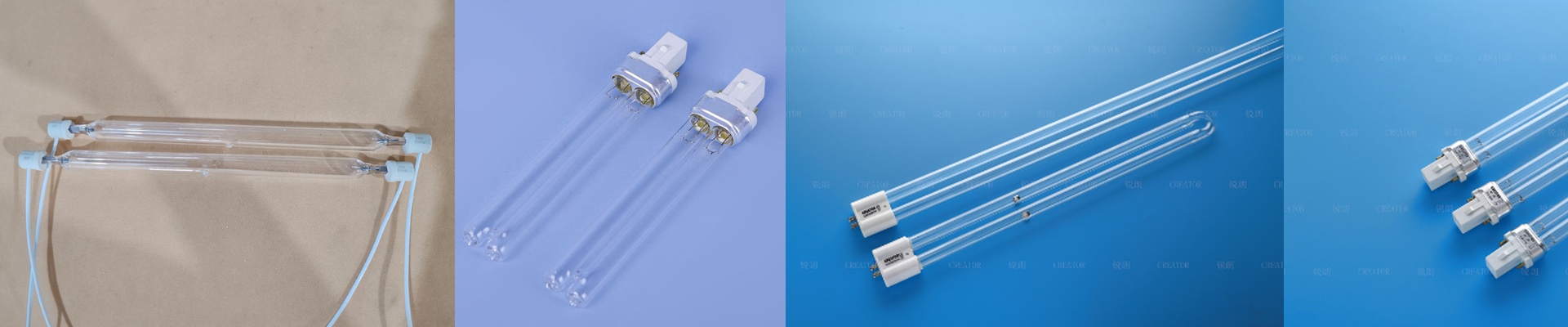
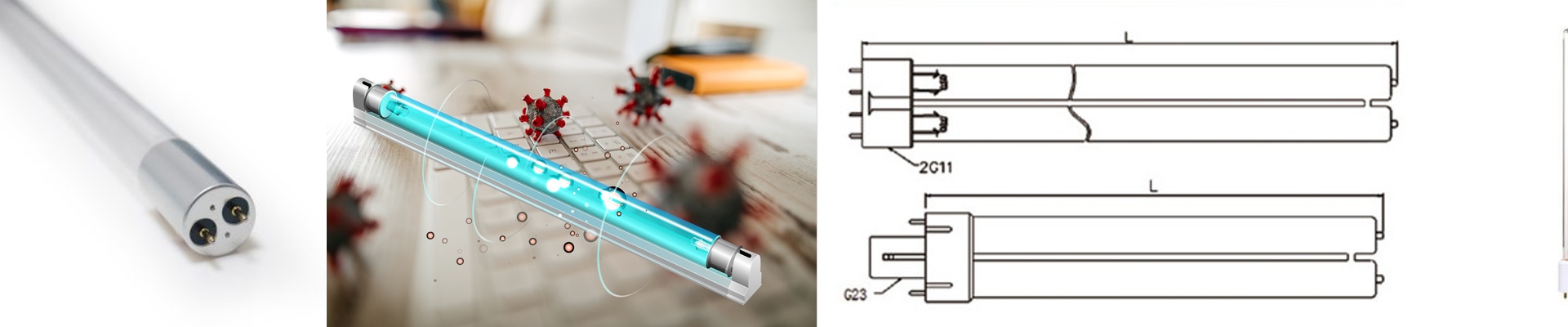
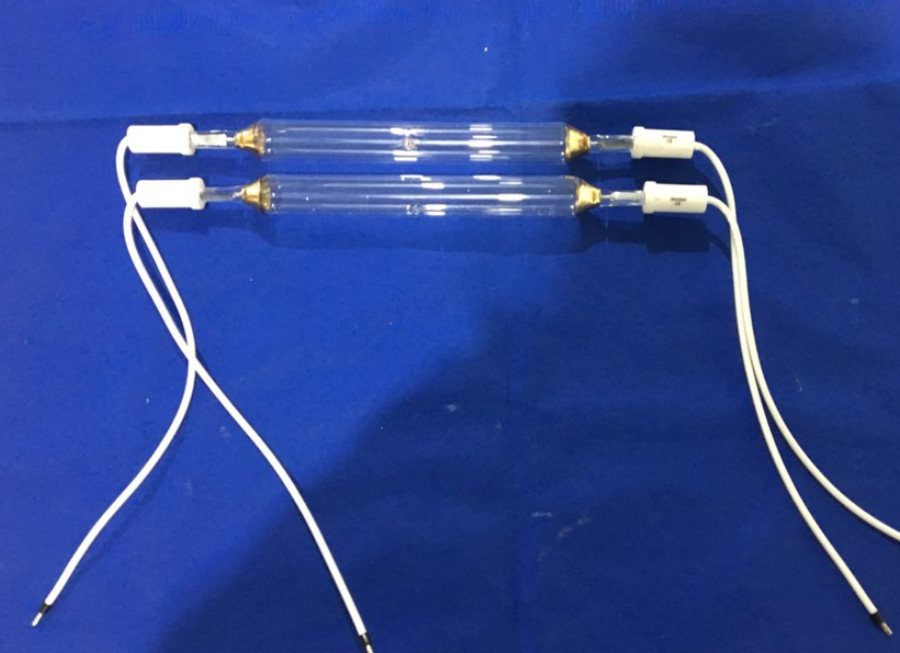
If you’re dealing with thick coatings or stubborn adhesives, standard mercury lamps usually won’t cut it. They just don’t hit deep enough. That’s where Gallium iodide comes in. By adding Gallium to the mix, we shift the light into that 250nm to 350nm sweet spot. It’s basically the “heavy lifter” of UV light, designed to penetrate deep into your materials to make sure everything cures properly. Getting the power right When you’re setting up your line, it really comes down to a balancing act between your conveyor speed and the lamp’s wattage. Want to speed up your production? Bump up the wattage. You’ll get more irradiance (W/cm²), which means your parts spend less time under the lamp. But here’s the catch: more power means more heat. If you’re running these at full tilt, make sure your cooling fans can actually handle the load. If they can’t, you risk warping the quartz envelope, and nobody wants to deal with that. The build quality We use high-purity fused quartz for the tubes. We do this because regular glass would just soak up the UV radiation instead of letting it out. These lamps go through a lot. They heat up fast, cool down fast, and expand and contract every time you flip the switch. It’s a lot of stress on the material. That’s why we fuse the end-caps specifically to handle that movement. It keeps the iodide fill inside where it belongs, even during those rapid start-stop cycles. Keeping your line moving There is nothing worse than a lamp burning out in the middle of a big run. You can’t just sit around for three weeks waiting for a replacement part. It’s a nightmare. That’s why we keep the most common lengths and connectors sitting on our shelves, ready to ship. We want you to be able to swap a dead tube and get back to work in minutes. Just a quick tip: double-check that your ballast matches the lamp’s voltage and amperage. If they’re mismatched, you’ll fry the filament way sooner than you should.