Cleaning Up the Way We Kill Germs: Better Materials, Longer Life
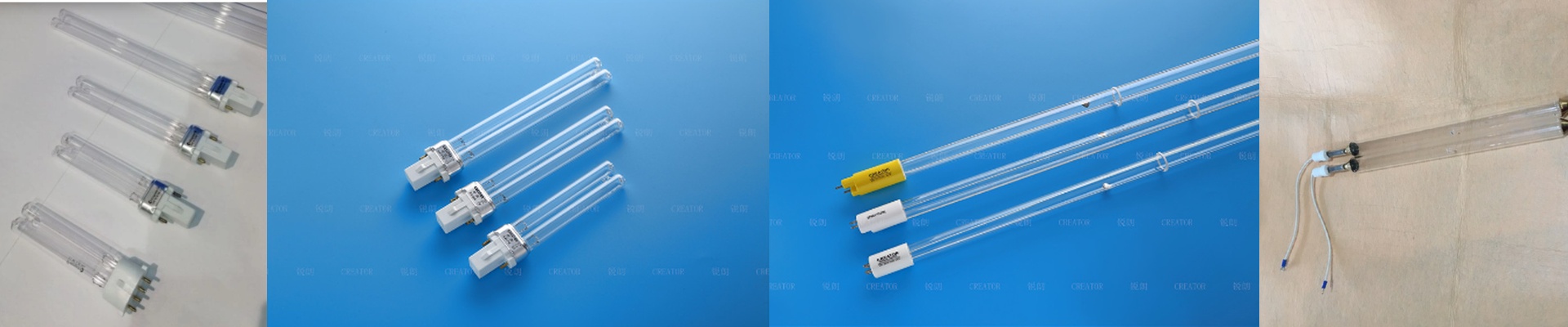
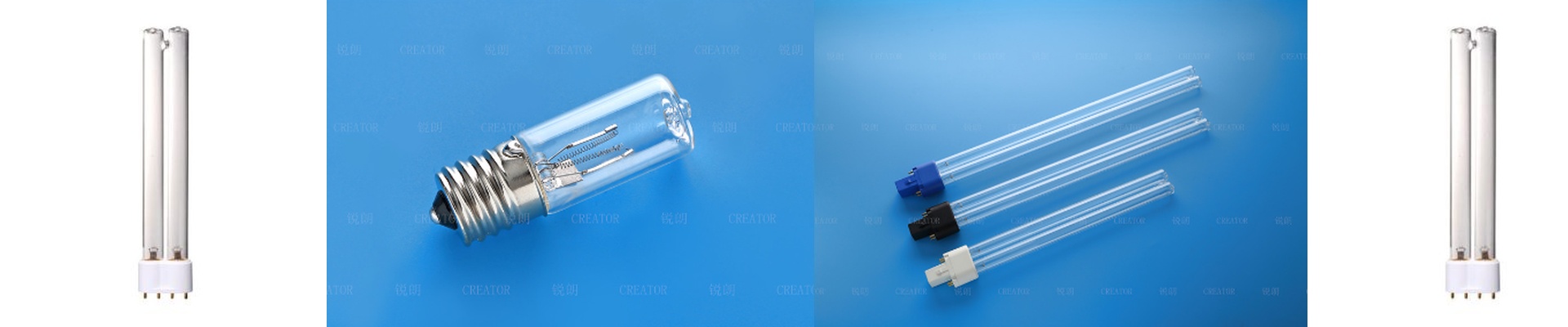
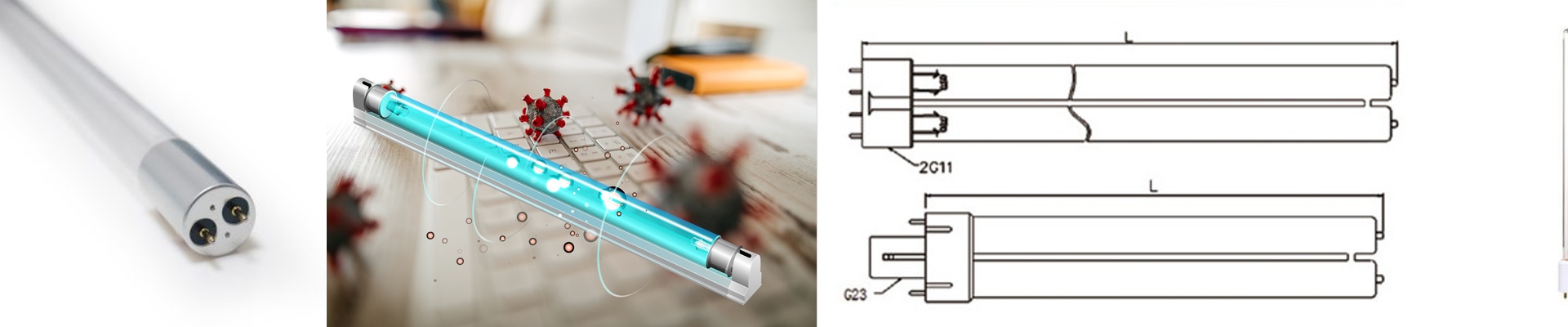
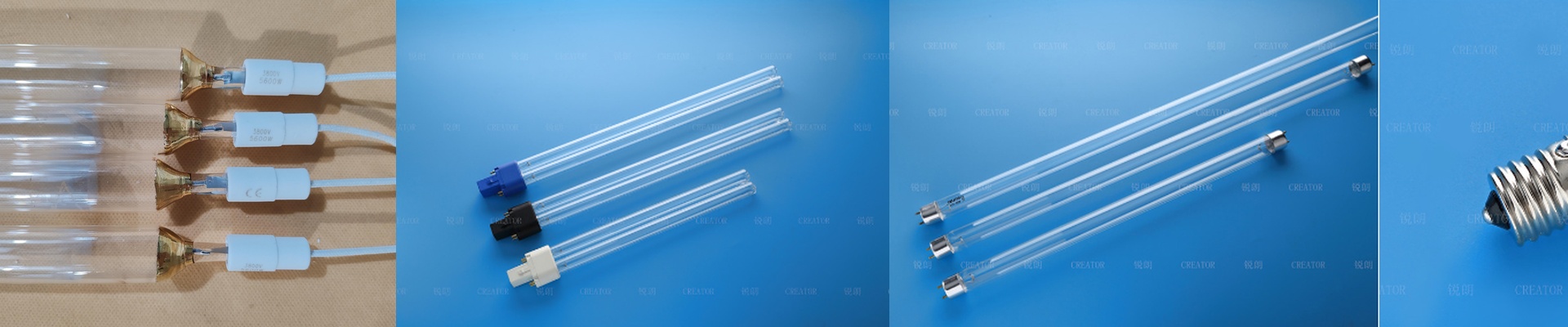
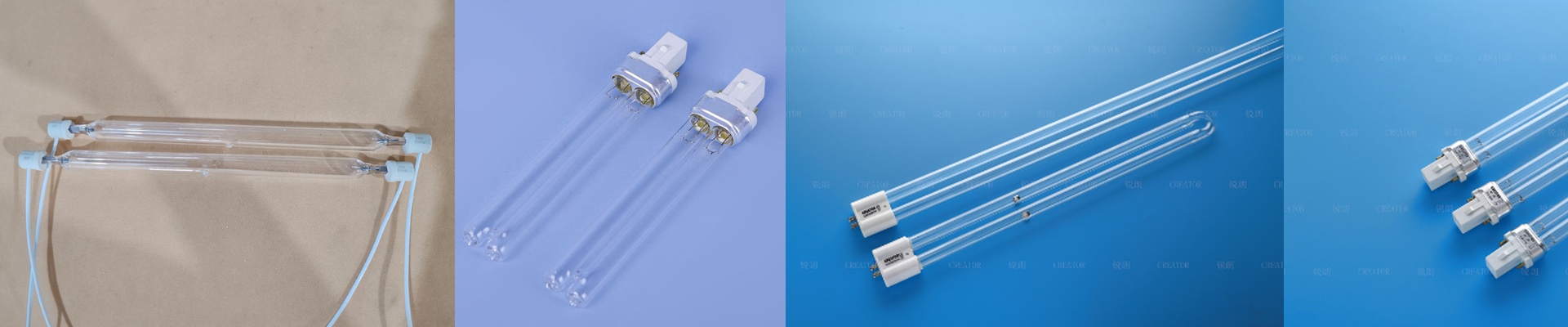
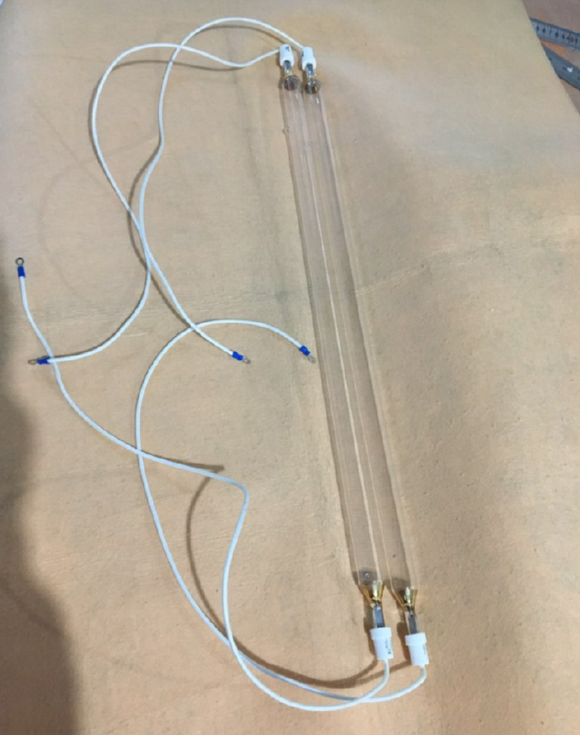
Let’s be honest: most UVC lamps are a bit of a nightmare from an environmental standpoint. They’re usually packed with mercury vapor and nasty phosphors. If one breaks, you’ve got a toxic mess on your hands. We decided that wasn’t good enough. We’re moving toward a zero-pollution approach—swapping the poison for eco-friendly materials and making the hardware last way longer so it doesn’t just end up in a landfill. Ditching the Mercury We’ve walked away from those old amalgam lamps. No more worrying about toxic leaks. Instead, we’re using LED-based UVC or ozone-free quartz glass. It means if a lamp fails, you aren’t dealing with a hazardous spill. You still get that 254nm wavelength that shreds pathogen DNA, but you can actually sleep at night knowing you’re meeting environmental rules. Built to Actually Last Ever notice how UV lamps seem to burn out right when you need them? It’s usually because the electrodes degrade or the gas leaks out. To fix this, we started using high-purity synthetic quartz and better cathode coatings. We’re pushing the “L70” mark—that’s the point where the light starts to dim—way past what you’ll find in a standard catalog. It’s a relief. You aren’t swapping out tubes every few months, which means less downtime for your team and a much smaller carbon footprint for your building. The Catch (and how to handle it) Here’s the thing: eco-friendly materials don’t always play nice with old gear. If you’re trying to drop these into an existing setup, those old-school magnetic ballasts probably won’t cut it. You’ll likely need to grab some new power supplies that can handle the lower voltage these sources need. It’s a small tweak, but it’s necessary to make the system work. Does it actually work? We track success by one simple metric: how much UVC dose you get per watt. By tweaking the internal reflectors and using glass that doesn’t soak up the light, we keep the intensity high. You get the same sterilization punch, just without the waste stream. It’s just a smarter, more long-term way to handle industrial cleaning.