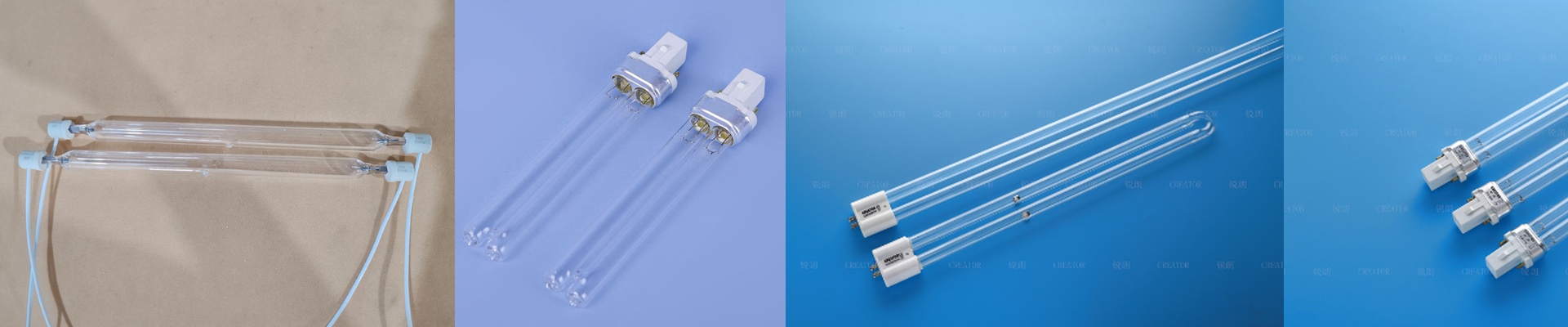
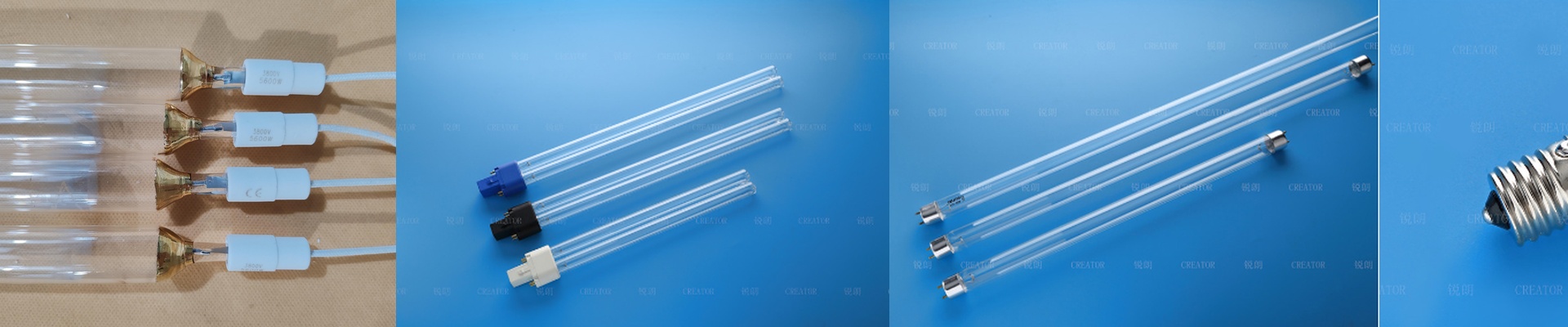
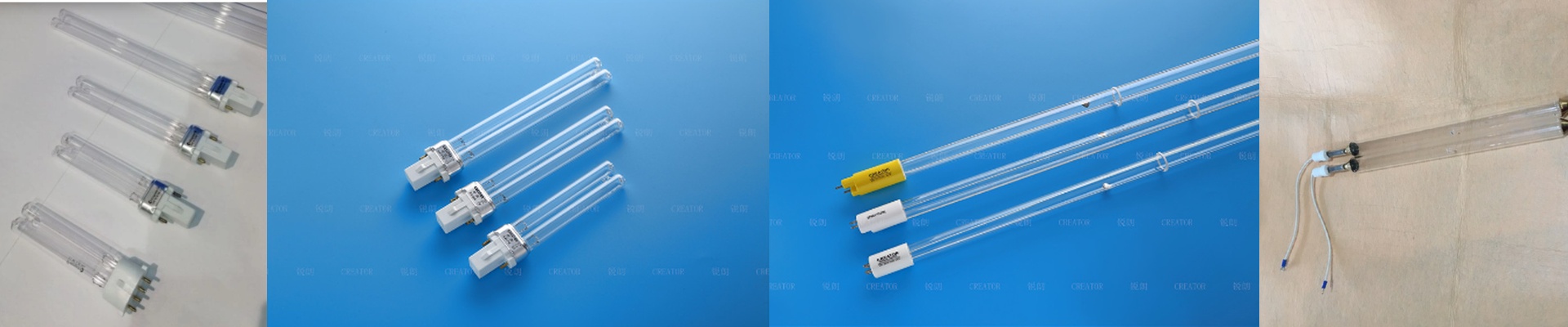
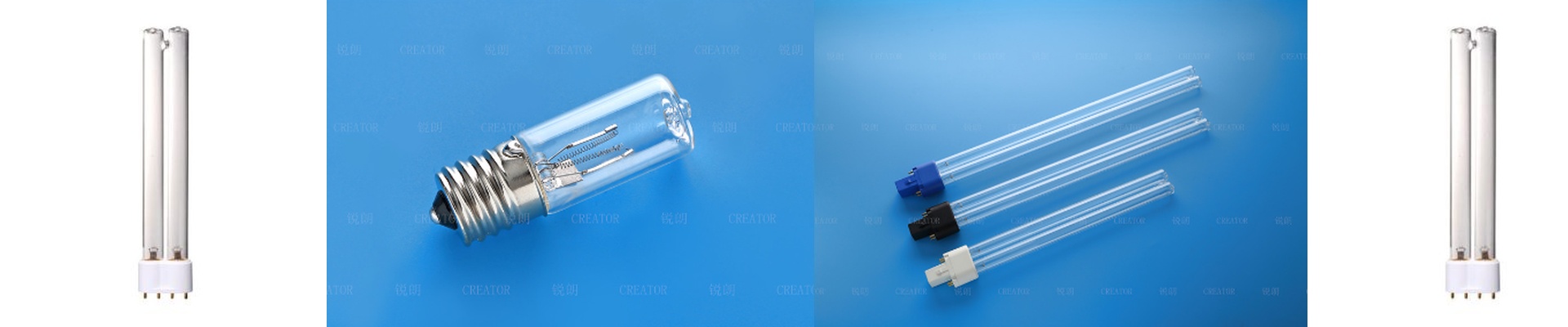
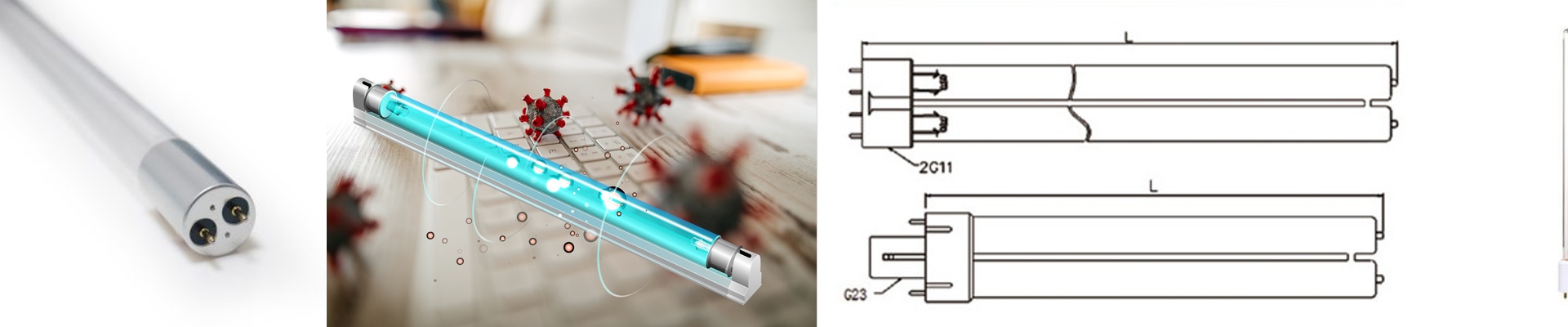
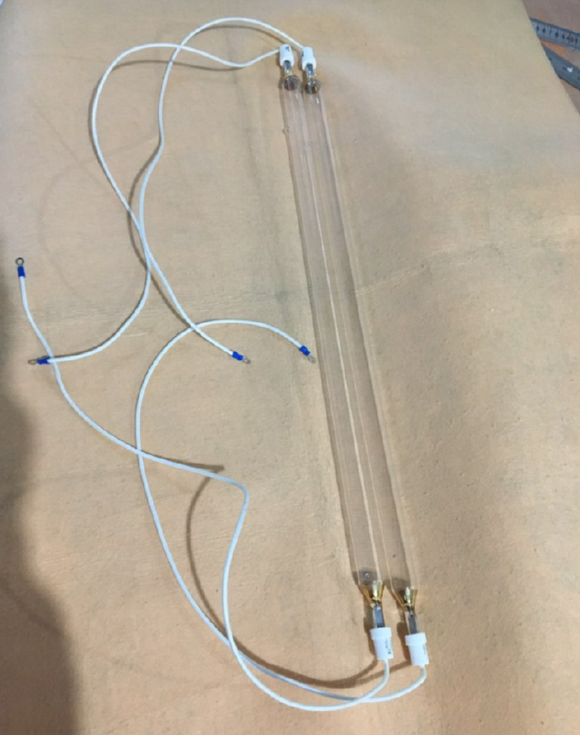
Out on the floor, thick-layer wood finishes and heavy decorative builds fall apart when the UV energy can’t get through to the bottom. The top looks glossy, but the base stays tacky. The issue is simple: not enough light penetrates the stack, so the photoinitiators buried in the formulation never get the trigger they need. What matters, technically Mercury UV lamps put out a spectrum that lines up with how common photoinitiators absorb, with strong output around 365 nm and solid UVA coverage. That drives photopolymer cross-linking from the top down—not just a skin cure. Peak irradiance and delivered energy density decide whether the bottom layer hits the activation threshold. We run ozone-free mercury lamps, matched with high-reflectivity dichroic reflectors, to keep spectral distribution stable and output consistent over the life of the lamp. That keeps the cure window repeatable shift after shift. Why it works in practice Thick-layer printing needs deep penetration. With a high-intensity mercury source, photoinitiators across the full build get activated, and you get complete cross-linking from the substrate up to the surface. The payoff is a fully cured finish with better chemical resistance and adhesion, fewer rejects, and higher throughput. Energy density goes where it matters, so you can run thicker coats without throttling the line. Things to keep straight Match lamp spectral output and power density to the ink chemistry and coat weight. If they don’t line up, the bottom stays uncured even when the top feels hard. Check fixture compatibility, reflector alignment, and cooling capacity—overheating shortens lamp life and pushes output out of spec. Plan on scheduled output monitoring. As lamps age, intensity drops and spectral balance shifts. You need real data to time replacement before quality starts to drift.