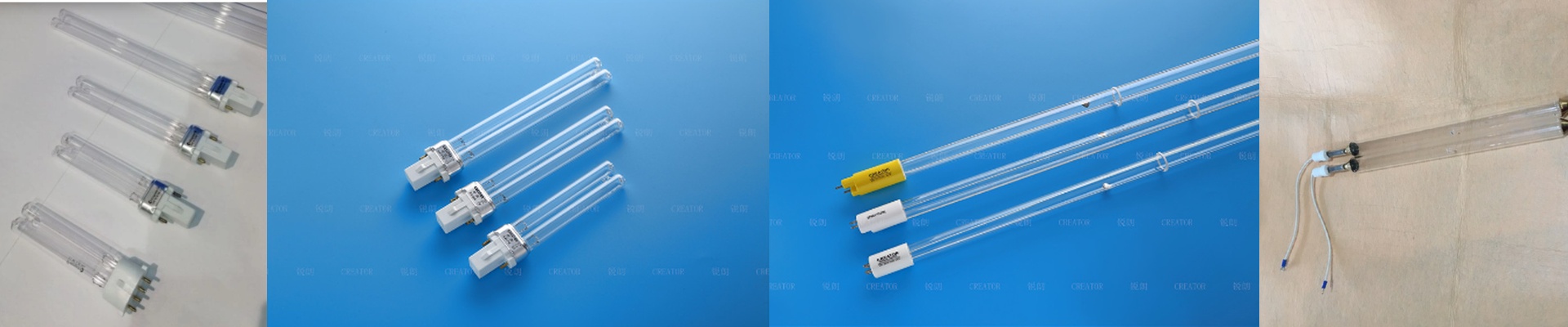
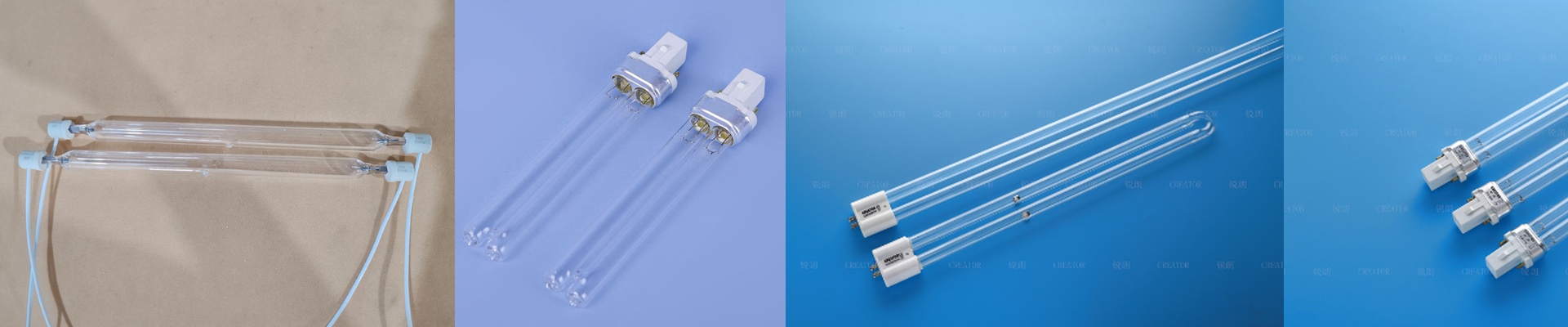
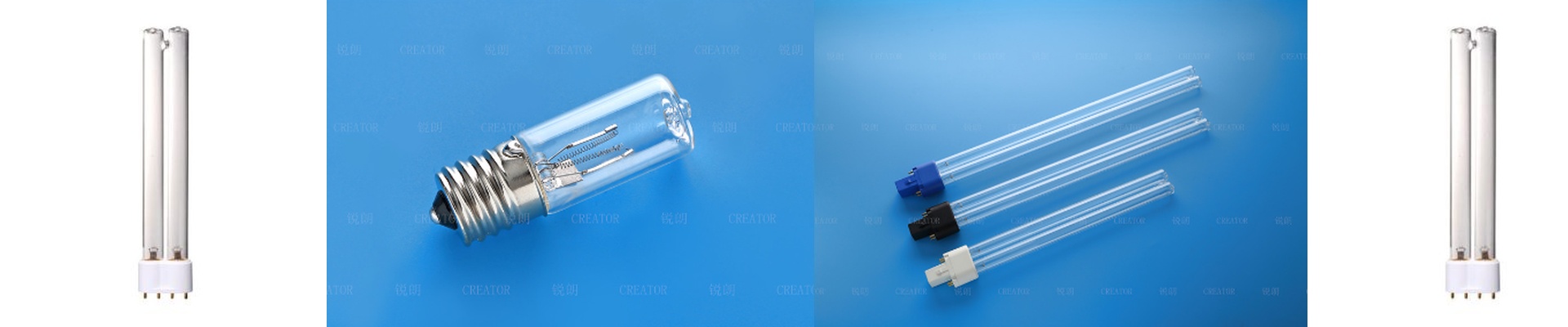
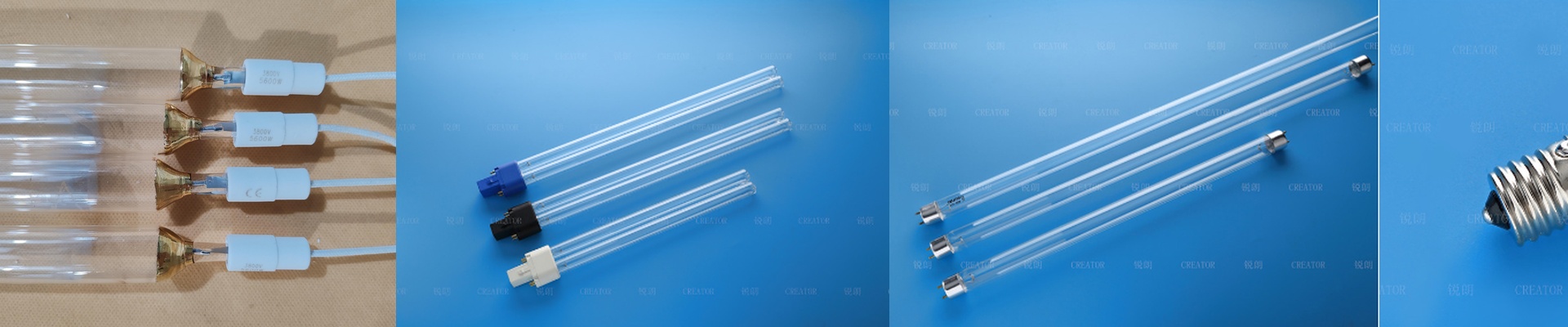
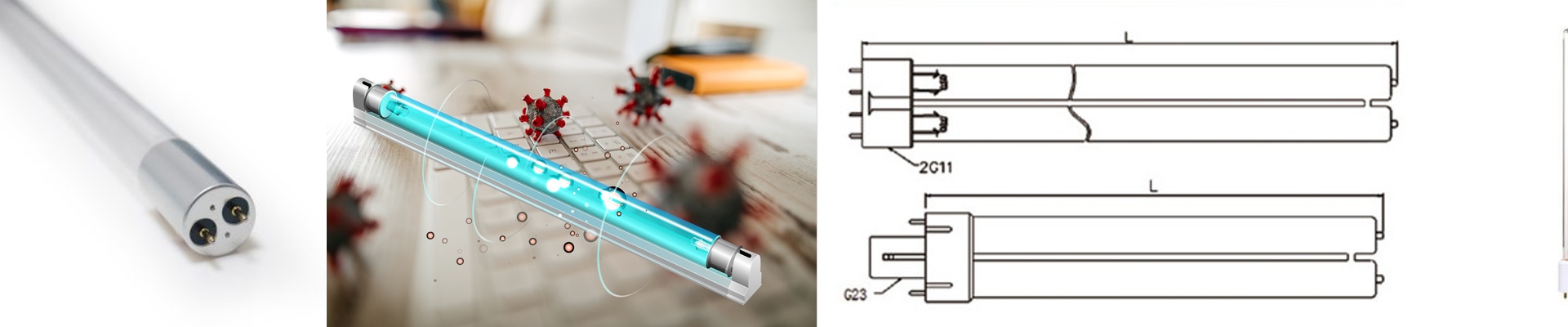
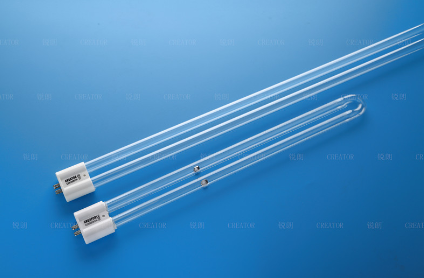
On the label line, the lamp isn’t just a lamp. It’s the final checkpoint before scrap. If the ink doesn’t cure clean, you get blocking, set-off, adhesion failure—and rework that eats time and margin. After 15 years building mercury UV systems for industrial printing, we’ve sharpened the spectral output, the reflector geometry, and the electrode stability needed to hold a consistent dose, shift after shift, on the presses that run label work. We built this lamp for the way label production actually behaves: tight registration, thin films, and pigmented inks that soak up UV unevenly. The point is repeatable cross-linking at line speed, without having to back the press off to chase cure.
What actually matters, technically
For mercury UV lamps in label printing, you’re pulling three levers: spectral output, delivered energy density, and stability over life. **Spectral output and photoinitiator matching.**Mercury vapor gives you strong lines around 254 nm, 313 nm, 365 nm, plus visible. In label inks, 365 nm is often the workhorse for deep through-cure on pigmented formulations, while 313 nm helps with surface cure and adhesion on clears and whites. We tune the quartz envelope and electrode design to keep the spectral balance where it needs to be, so photoinitiators fire predictably through the layer stack. **Peak irradiance and curing energy density.**Curing is a dose problem, not a brightness contest. You need enough peak irradiance (W/cm²) at the substrate to keep up with line speed, and enough integrated energy density (mJ/cm²) to finish the reaction. Our lamps are engineered to hold a stable irradiance profile across the print width, so you don’t get the dips that cause tail-end under-cure on long runs. **Reflector efficiency and uniformity.**The reflector defines the footprint and the uniformity. For labels, we use elliptical or parabolic profiles with high-purity anodized aluminum and dichroic coatings to shape the output band and cut down wasted IR and visible energy. The payoff is a flatter profile across the web, fewer hot spots, and less heat load on the substrate. **Lamp life and output degradation.**Mercury lamps dim as electrodes erode and mercury depletes. We manage the degradation curve by controlling fill pressure, electrode geometry, and ignition stress. In high-cycle label environments, units routinely run 1,500 to 2,500 hours with controlled output loss, so cure settings stay stable between maintenance intervals. **Ozone control and operating environment.**Ozone forms when short-wave UV breaks O₂ bonds. We use ozone-free quartz envelopes and sealed assemblies to keep ozone out of the work area—protecting operators and cutting down on extra ventilation hardware. **Power, voltage, and integration.**Label presses expect repeatable electrical interfaces. We match standard lamp power profiles to common power supplies, spec robust terminal blocks or connectors, and set arc length and bulb diameter to fit OEM reflector housings. That’s how you get plug-in compatibility without rewiring the press.
Why it holds up on real label work
Label printing isn’t one process—it’s three, each with different UV behavior. **UV offset label printing.**Offset lays down thin ink films with precise dot control. The danger is surface cure that traps solvents or migration from the blanket. We match the lamp to the ink chemistry and the sheet path so the dose is high enough to set the ink without overheating the substrate. With stable spectral output and a uniform reflector, you get crisp dots, no set-off, and consistent rub resistance at press speed. **UV flexo label printing.**Flexo runs fast, often on thin films, and ink film thickness shifts with anilox and doctoring. Under-cure shows up as blocking on the roll; over-cure shows up as brittleness and poor lay-flat. Our lamps deliver a defined energy density window that cures the full ink film without dumping excess heat into the film. The result is fewer roll defects, higher line speeds, and less scrap from adhesion failure down the converting line. **UV screen label printing.**Screen puts down thick deposits for specialty effects and high-opacity colors. Those inks are tough to cure through because pigments shield UV. The lamp has to deliver strong 365 nm intensity deep into the deposit to avoid surface skinning that traps uncured material. We pair high peak irradiance with a reflector footprint that covers the thick deposit zone, giving through-cure that holds dot definition and prevents blocking. Across all three, the practical wins are straightforward:
- Stable cure at press speed cuts rework and scrap.
- Consistent spectral output means less trial-and-error when switching inks.
- Efficient reflectors and controlled IR lower energy per cured square meter.
- Predictable lamp life reduces unplanned changeouts and press stops.
The details that make or break it
Installation and operation are where performance is earned—or lost. **Match the lamp to the reflector.**A mismatch in arc length or bulb diameter creates hot spots and shadows. Use the exact lamp spec the reflector was designed for, and verify focal distance during install. Reflector condition matters, too—anodizing degrades with UV exposure and handling. Replace or recoat reflectors on the same interval as lamp changes to keep uniformity. **Control substrate temperature.**Labels run on thin films that curl when they get hot. Position the lamp to minimize direct IR on the web, and use air management to pull heat away. If the substrate runs hot, adhesion and lay-flat can drift even when the lamp is delivering the right UV dose. **Keep lamps clean.**Skin oils and dust on the bulb surface absorb UV and create uneven output. Handle with gloves, clean with isopropanol before startup, and inspect for filming during routine maintenance. **Measure dose, not just lamp output.**Use a spectral radiometer to measure irradiance and energy density at the substrate plane. Without measured dose, you can’t tune line speed, lamp power, or distance to hit the curing window. **Power supply and ignition compatibility.**Mercury lamps need matched ballast and ignitor profiles. Verify voltage, current, and ignition method against the press’s power module. Wrong ignition stress shortens electrode life and accelerates output loss. **The heat-versus-intensity trade-off.**Getting high peak irradiance for thick screen inks and fast flexo speeds always produces some IR. We minimize it with dichroic reflectors and envelope choices, but you still have to manage heat extraction. Plan airflow and shielding, especially on sensitive substrates like PET and thin foils. Fifteen years of field tuning has taught us the lamp is only as good as the system around it. We deliver the spectral output, peak irradiance, and stability that label work demands—then make sure it installs, runs, and repeats on the machines you already operate. If your day ends with a stack of good labels, we’ve done our job.