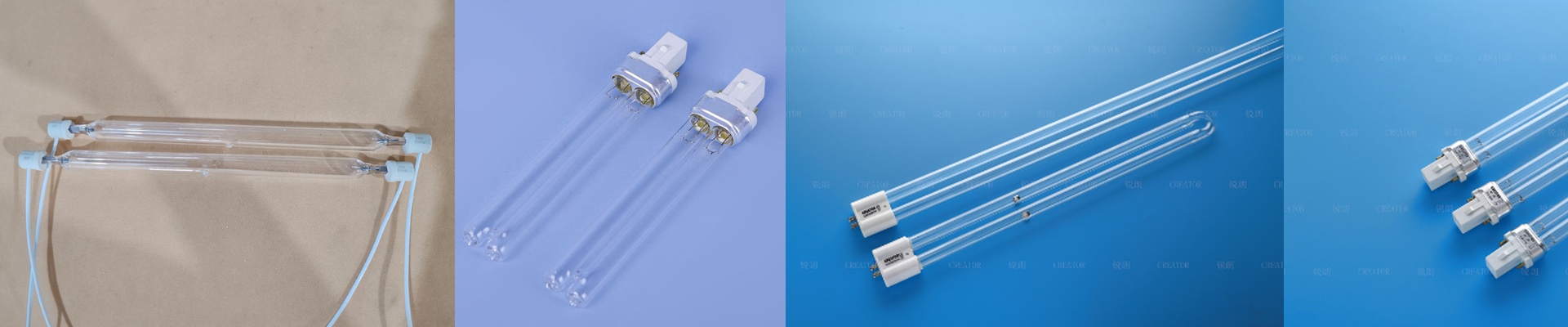
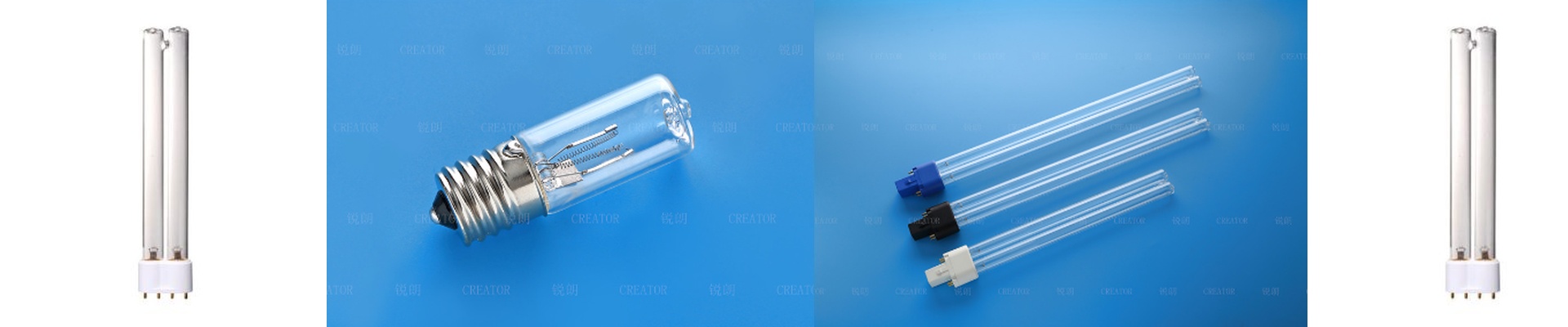
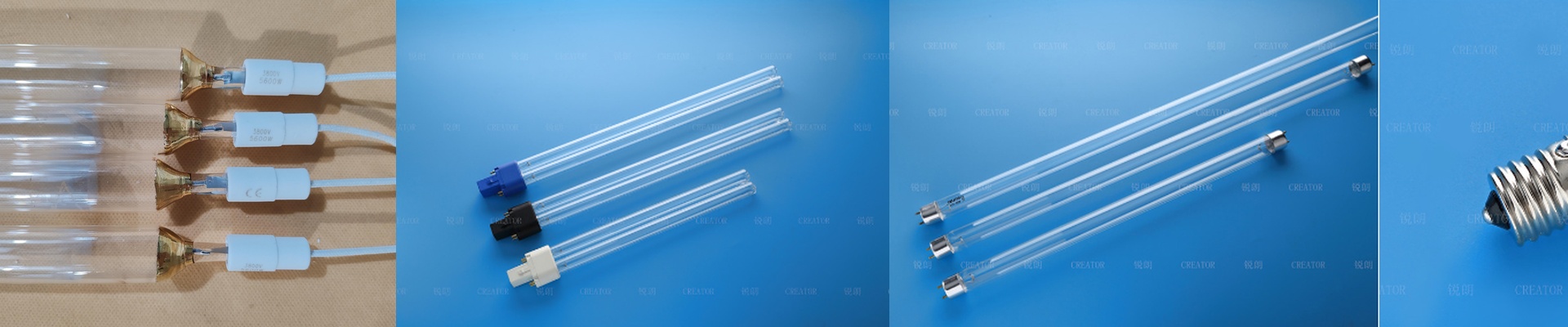
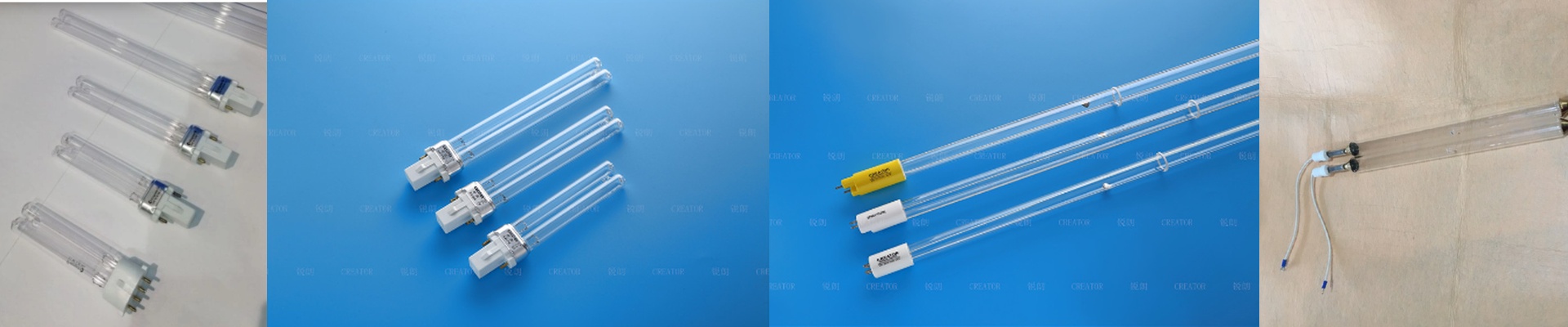
The Truth About Industrial UV Replacement Lamps
We spent 15 years working behind the scenes as an OEM supplier before we finally decided to put our own name on the box. In those years, we saw it all. Most of the time, when a UV lamp fails, it isn’t some mystery. It usually comes down to two things: cheap quartz or sloppy electrode welding. That’s why we build our lamps to hold their own against the biggest international brands. We aren’t just copying them; we’re matching the actual light output and heat tolerance they’re known for.
It’s more than just wattage
Here’s a common mistake: thinking you just need to match the wattage. It’s not that simple. You have to look at the voltage and the length. If you shove a high-wattage lamp into a short tube, you’re creating a heat nightmare. If your ballast isn’t perfectly synced with the impedance of that replacement lamp, you’re going to fry your electrodes way too early. We use a specific grade of quartz glass because it doesn’t warp when those thermal spikes hit. It just handles it.
The nitty-gritty of the build
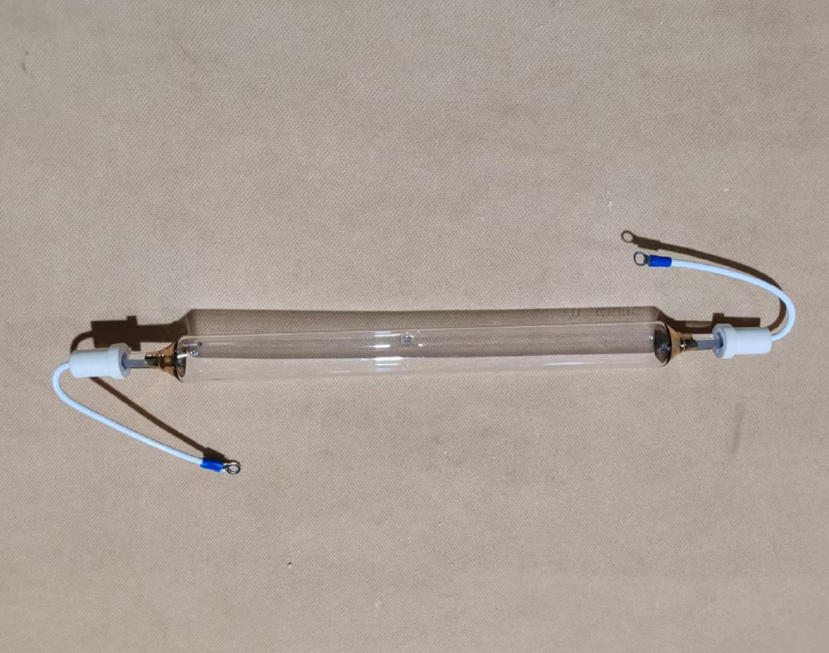
We use high-purity fused quartz. Why? Because we want the UV-C and UV-B wavelengths to fly right through the glass without getting trapped or absorbed. Then there are the electrodes. These are almost always the first thing to snap. We use a specialized welding process so the connection stays solid, even when the metal expands and contracts from the heat. And because nobody likes fighting with hardware, we keep our end-cap dimensions tight. They should slide right into your sockets. No forcing, no swearing, just a clean fit.
The real-world trade-off
These lamps have the punch you need for industrial coatings or PET blowing. They’re powerful. But let’s be honest about the trade-off. If you push for maximum UV output, your lamps won’t last as long. It’s a physics thing. If you run them at the absolute ceiling of their power, you’ll see the intensity drop off faster. The trick is finding that sweet spot between your line speed and how often you want to swap lamps. We’ll give you the data sheets so you can make sure your cooling system can actually handle the heat load. That way, you aren’t guessing.