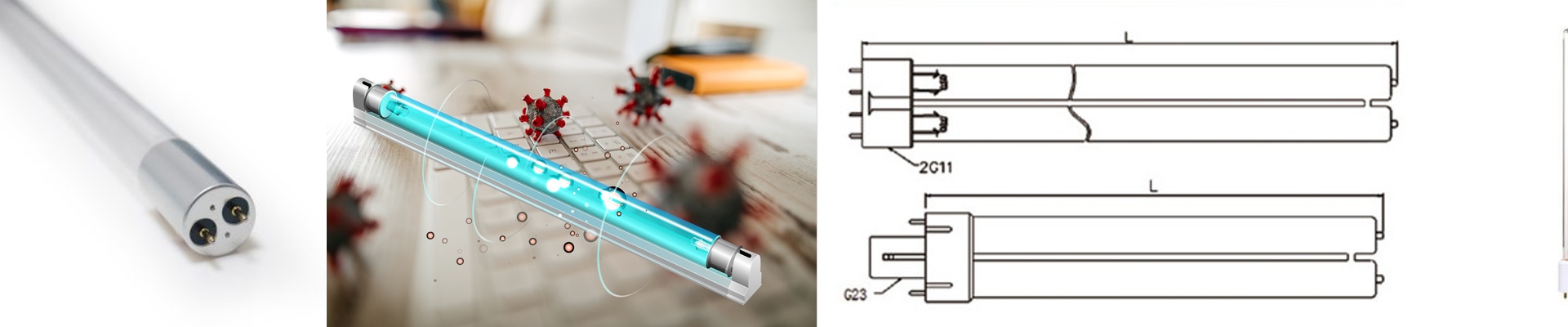
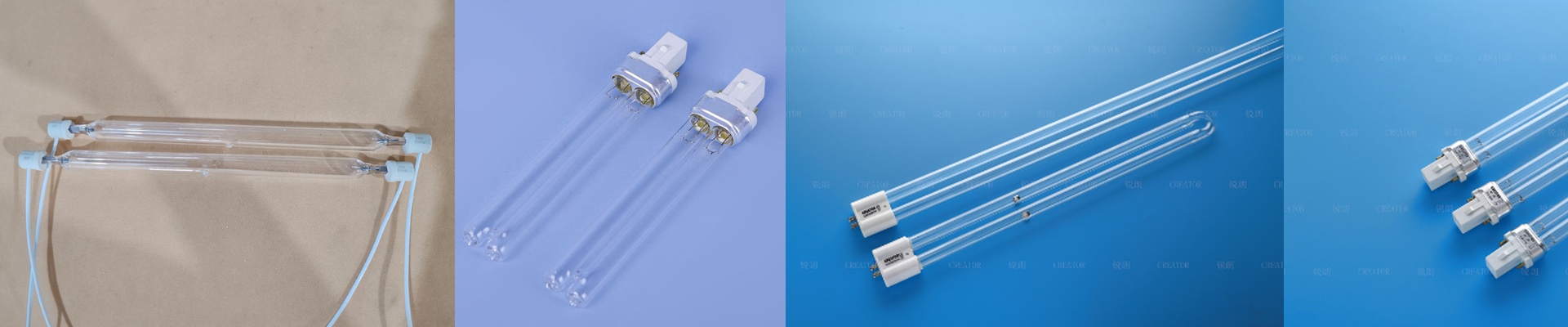
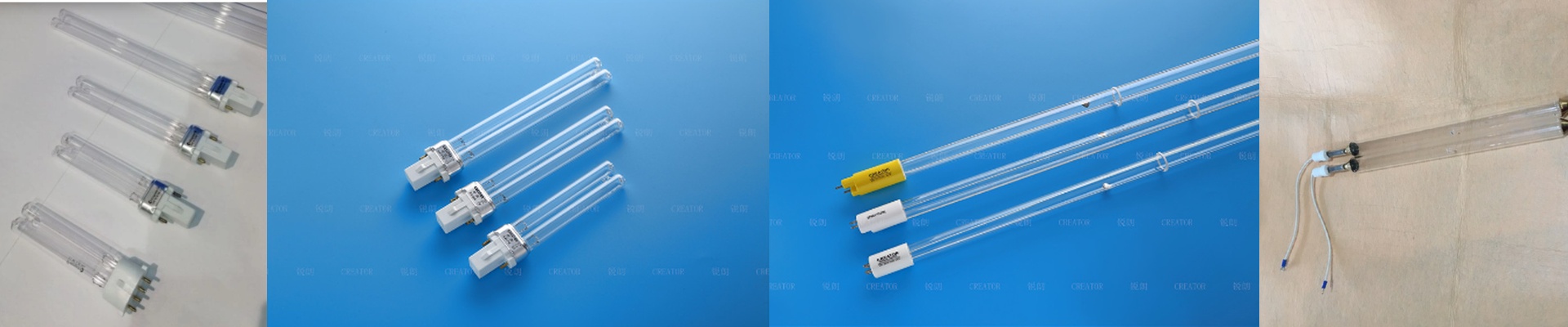
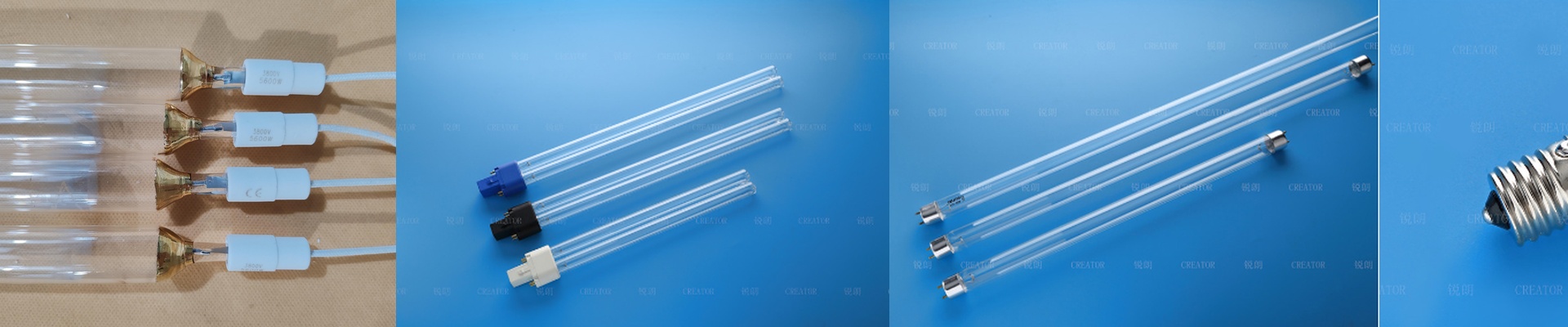
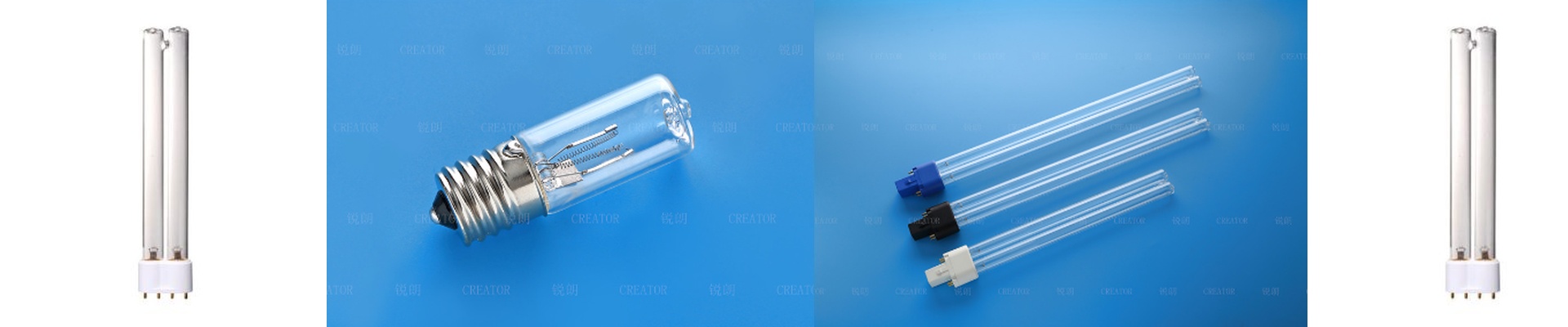
Out on the floor, UV curing is about watts per square centimeter, not marketing spin. When a high-pressure mercury lamp warms up, the spectral output drifts, peak irradiance drops, and the photoinitiator response in the ink gets spotty. How fast heat leaves the arc and the quartz envelope comes down to the cooling system design. That, in turn, sets power stability and how long the lamp lasts. If the shield can’t handle the thermal load, the lamp runs hotter—end-of-life darkening speeds up, and curing uniformity across the substrate falls apart. The real lever is thermal control of the quartz envelope. We built the quartz glass shield to take thermal shock and to keep high UV transmittance across the key mercury lines, preserving output at 365nm, 385nm, and 405nm. Geometry and thickness are matched to the lamp’s power density so the shield pulls heat without stress fractures, and the ozone-free formulation keeps the workspace clean and prevents reflector fouling. In practice, that means stable lamp temperature, stable output, and repeatable curing energy density. Here’s the point: stable temperature equals stable curing. With this shield, you hold the peak irradiance needed for an instant surface cure and deep enough penetration for complete cross-linking, even at high press speeds. You get consistent mJ/cm² across the web, fewer rejects, and longer intervals between lamp changes. It also keeps reflector efficiency up by limiting re-radiated heat, so more usable UV reaches the substrate instead of getting wasted as infrared. Installation tolerances are tight. The shield has to align precisely with the reflector and the lamp; otherwise you get shadowing and localized hot spots. Check clearance against the lamp ends and reflector geometry, and make sure airflow rates match the lamp’s thermal budget. If you run the shield in a dirty environment, transmittance will drop over time. Set up inspections and cleaning based on measured output and spectral radiometer readings.