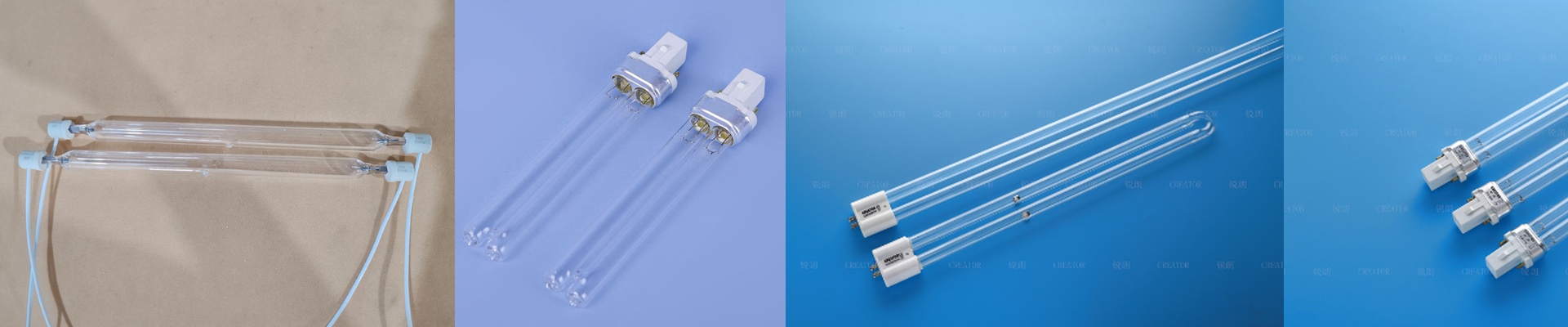
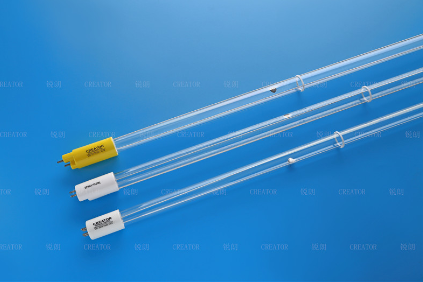
CE Certification: It’s More Than Just a Sticker
Let’s be honest. Shipping UV lamps into the EU or any high-end market isn’t as simple as slapping a logo on a box and hoping for the best. It’s about safety. Plain and simple. If your gear doesn’t have CE certification, it’s probably going to get stuck in customs. Even if it does make it through, you can’t legally plug it into a customer’s production line in Europe. It’s the baseline. The bare minimum.
The nitty-gritty stuff
UV lamps aren’t toys. They run on high voltage and pump out intense radiation. That’s why we obsess over the details. We spend a lot of time on the insulation and the ballast stability. We make sure the housing is tight so you don’t get ozone leaks or electrical arcs. Because here is the thing: stuff fails. Lamps burn out. Ballasts quit. When that happens, the system needs to fail safely. We run tests on dielectric strength and leakage current because nobody wants the person operating the machine to get a nasty shock.
Why the big buyers care
If you’re buying high-end hardware, you aren’t looking to gamble. You don’t want a lamp that trips your breakers or gets you in trouble with workplace safety inspectors. When we hand over a CE-certified lamp, we’re basically saying, “We’ve done the homework.” We’ve met the Low Voltage Directive (LVD) and the RoHS standards. It takes the weight off the buyer’s shoulders. They can just install it and get back to work.
The trade-off
Now, getting these certifications is a pain. It takes time. It costs money. It definitely slows down the prototyping phase. Every time we tweak a circuit board or swap out a quartz sleeve, we might have to re-test everything. It’s a slog. But that’s just how the Global market works. Sure, you can sell uncertified lamps in lower-tier markets for cheap. But if you want a foot in the door at a top-tier automotive or pharma plant? You need the paperwork. No cert, no contract. It’s that simple.