Getting the Wavelength Right: The Real Physics of UV Design
Most UV lamps you buy off the shelf are “broad spectrum.” They throw out a wide range of light, which is fine for basic stuff. But if you’re doing high-end R&D or precision curing, that’s just not going to cut it. You need a narrow, specific band of light to trigger a chemical reaction without accidentally frying your substrate.
How we actually tune the light
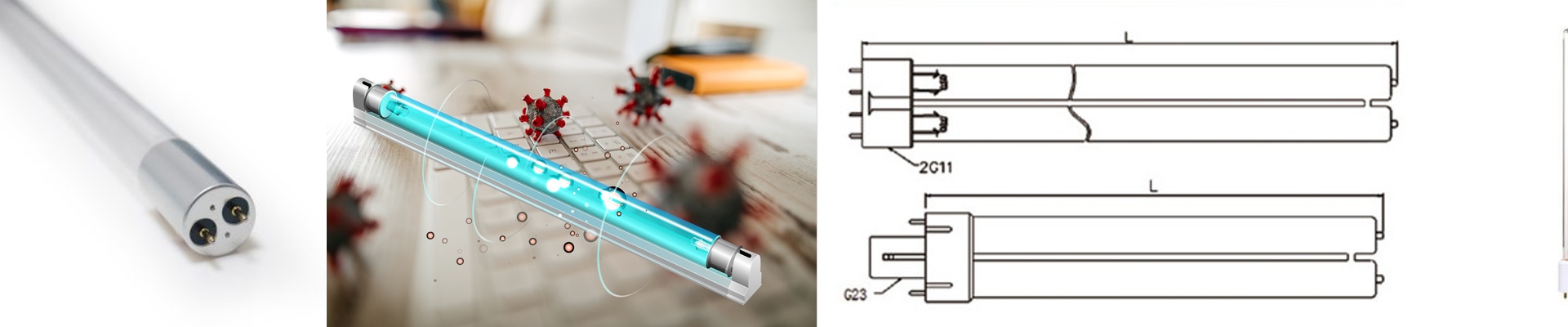
It all happens inside the quartz envelope. To get the wavelength you need, we play around with the gas mixture and the electrode materials. Think of it like a recipe. By tweaking the pressure and the ratio of mercury vapor to inert gases, we can shift where the light peaks. Maybe you need a sharp hit at 254nm for sterilization, or a very specific UV-A band for your photo-initiators. We don’t just cross our fingers and hope for the best. We use spectrophotometers to make sure the output actually matches your specs.
The heat and the glass
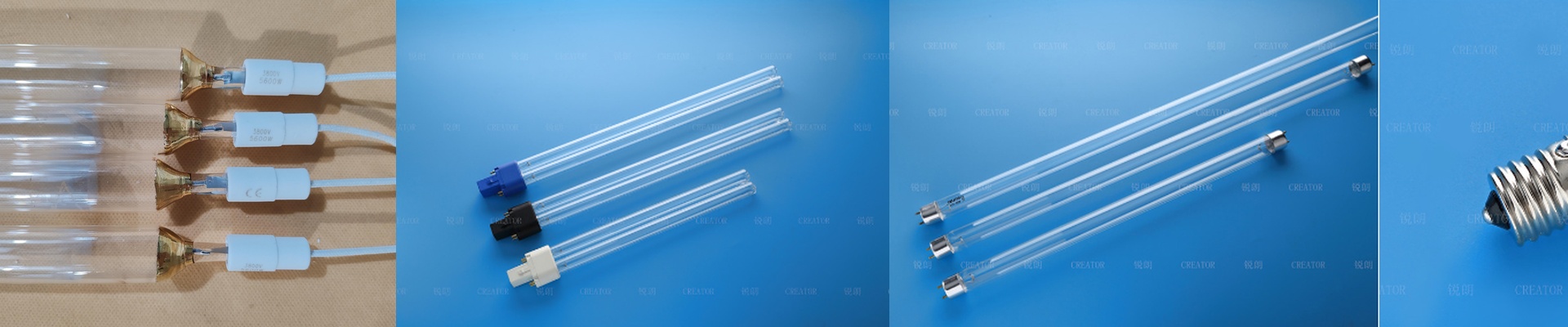
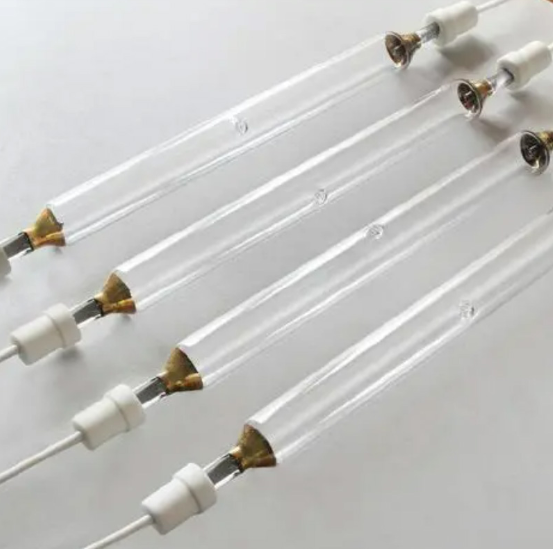
We use high-purity synthetic quartz. Why? Because regular glass can “solarize,” which is a fancy way of saying it clouds over and blocks the UV light over time. Then there’s the heat. If you cram a lot of wattage into a short tube, you’ve got a massive thermal load in a tiny space. It gets hot. Fast. You’ve got to make sure your cooling manifold can actually pull that heat away, otherwise, the quartz will stress and just… crack.
Making it fit (and the trade-offs)
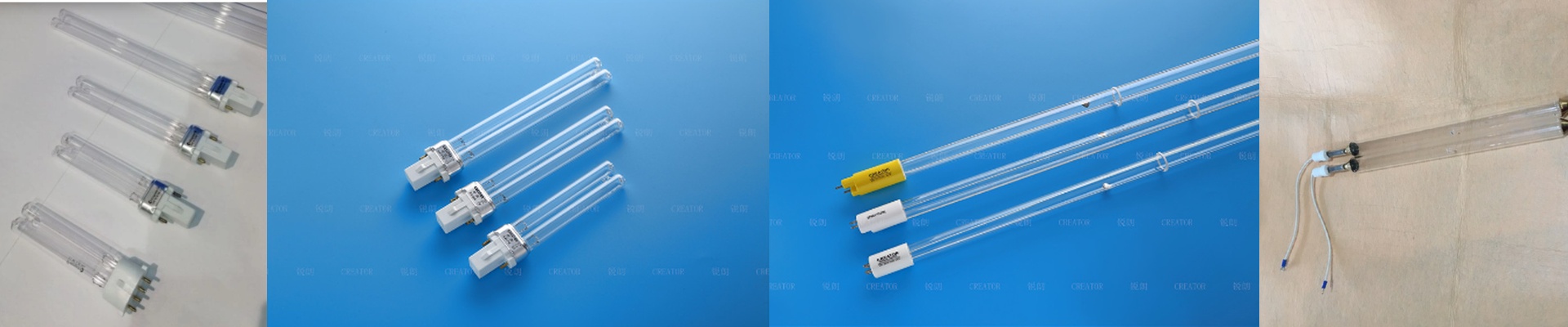
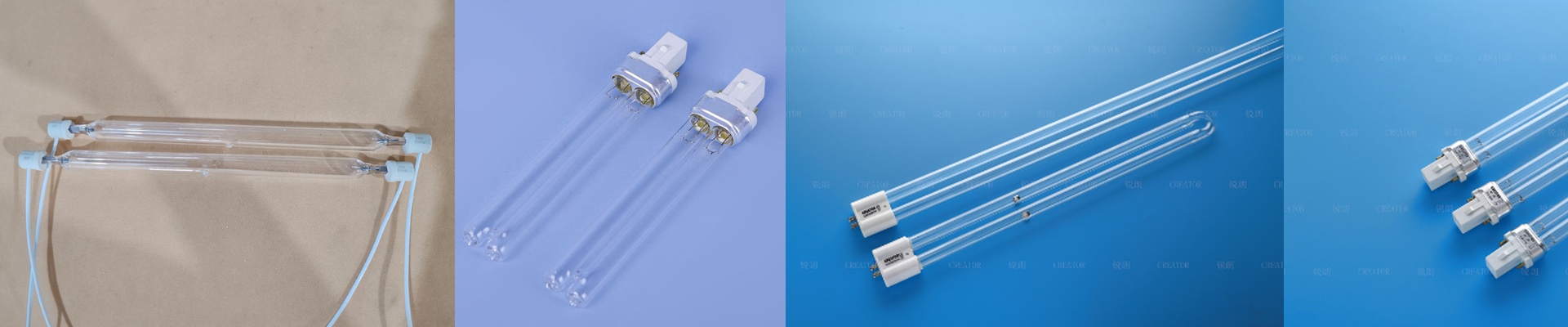
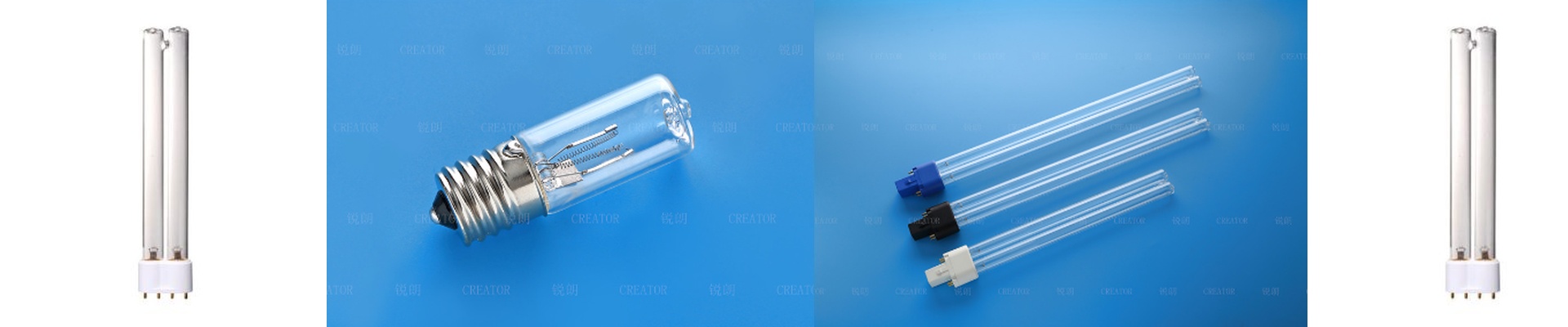
Nobody wants to rewire their entire rack just to swap a lamp. That’s why we can customize the pin configurations to match your existing ballast. It makes the swap a lot easier. But here’s the catch: when you narrow the spectral band, you usually lose some total power. You get pinpoint precision, but you lose raw strength. If your process needs both—high intensity and a tight wavelength—we just have to get creative. We might lengthen the tube or run multiple arrays to make up the difference.