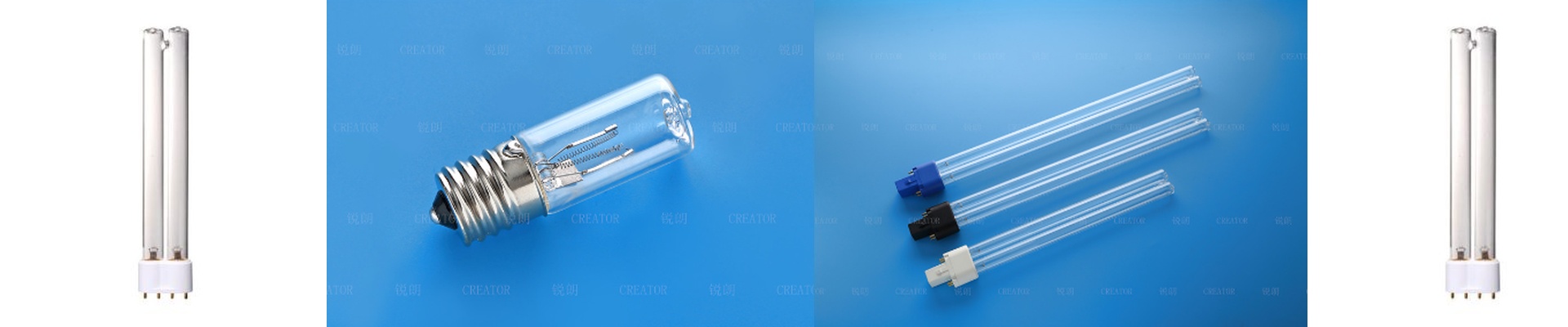
Why Gallium Iodide Lamps Actually Matter in Textile Work
Most people think textile production is all about looms and big vats of dye. But there’s this invisible part of the process—UV curing—that basically dictates how fast you can get product out the door. When we need to trigger that chemical hardening (photopolymerization) without accidentally scorching the fabric, we go with Gallium Iodide (GaI) lamps. The secret is in the light. Standard mercury lamps are a bit too broad. They throw out a wide range of UV that can actually eat away at sensitive synthetic fibers. GaI lamps are different. They shift the light to longer wavelengths. What does that mean for you? It means the energy actually sinks deeper into thick fabrics or heavy coatings. You don’t end up with “wet spots”—you get a cure that’s consistent from one edge of the fabric to the other. Now, a word of caution on the power side. It’s tempting to just crank up the wattage to speed up the conveyor belt. But if you push the lamps too hard without upgrading your ballasts, you’re just asking for trouble. You’ll burn out your electrodes way faster than you should. Setting them up The good news is these lamps usually slide right into your existing UV arrays. We use quartz glass because it lets the most UV light through. But pay attention to your wiring. These things handle a lot of heat. If a connection is loose, you’ll get arcing, and your lamp will be dead before the shift is over. And for heaven’s sake, check your fans. GaI lamps gethot. If your exhaust system isn’t pulling that heat away from the tube, the quartz will stress out and eventually just crack. The bottom line on the factory floor Whether you’re curing ink for digital prints or setting waterproofing and flame retardants, switching to GaI cuts down that annoying “tack-free” wait time. Your garments move to packaging faster. It’s a win for the schedule. Just keep a close eye on your temperature controls—if you get too aggressive, you’ll start seeing the fabric shrink, and that’s a headache nobody wants.