Let’s Talk Gallium Iodide UV Lamps
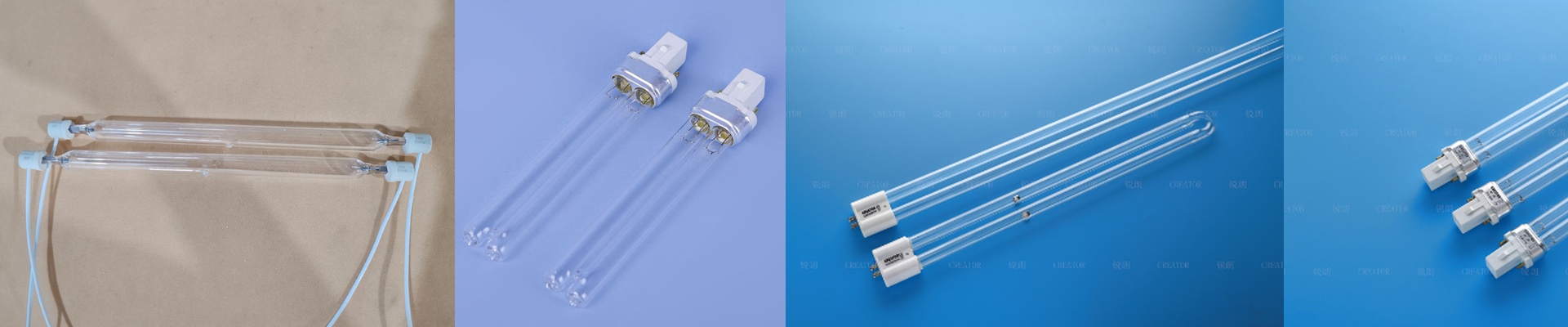
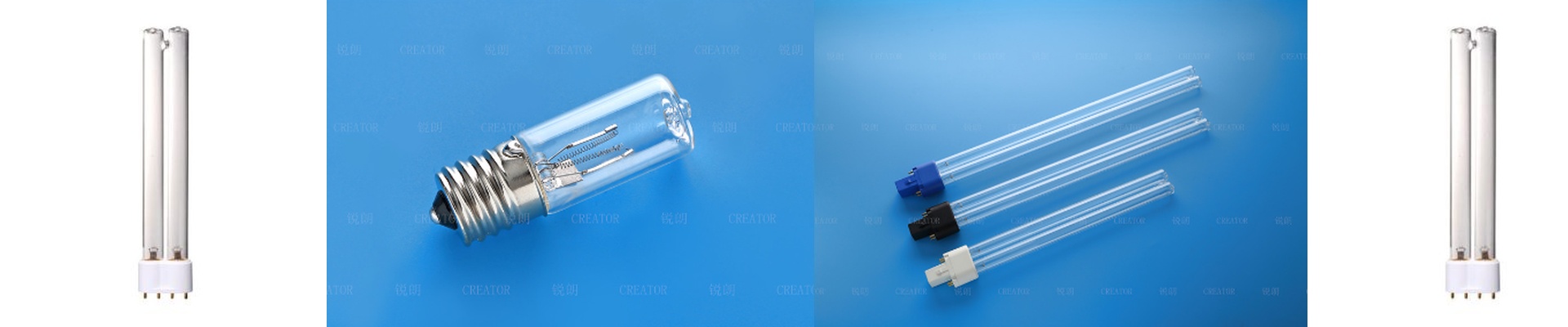
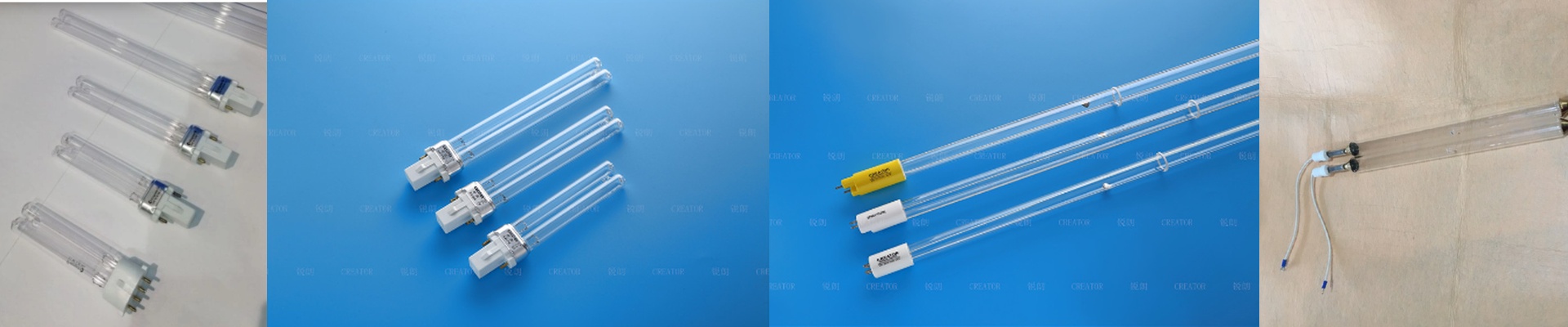
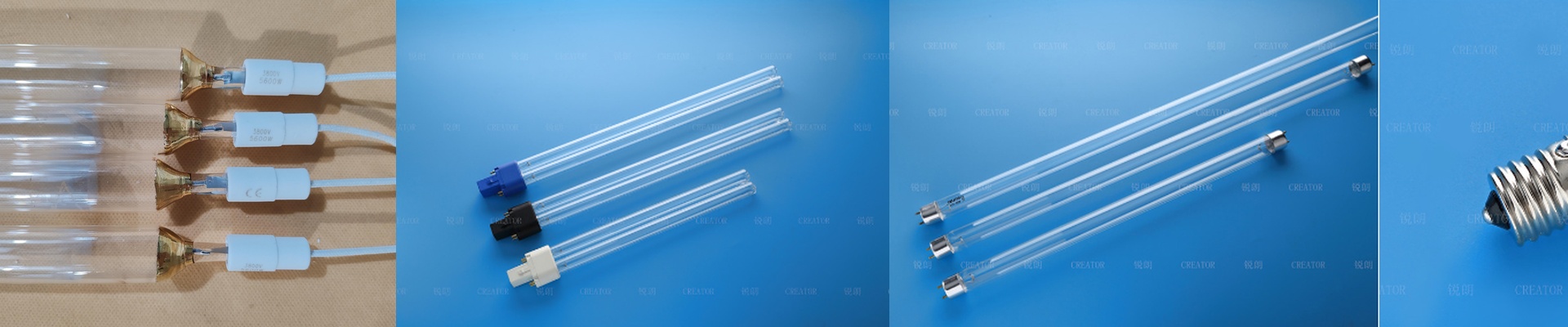
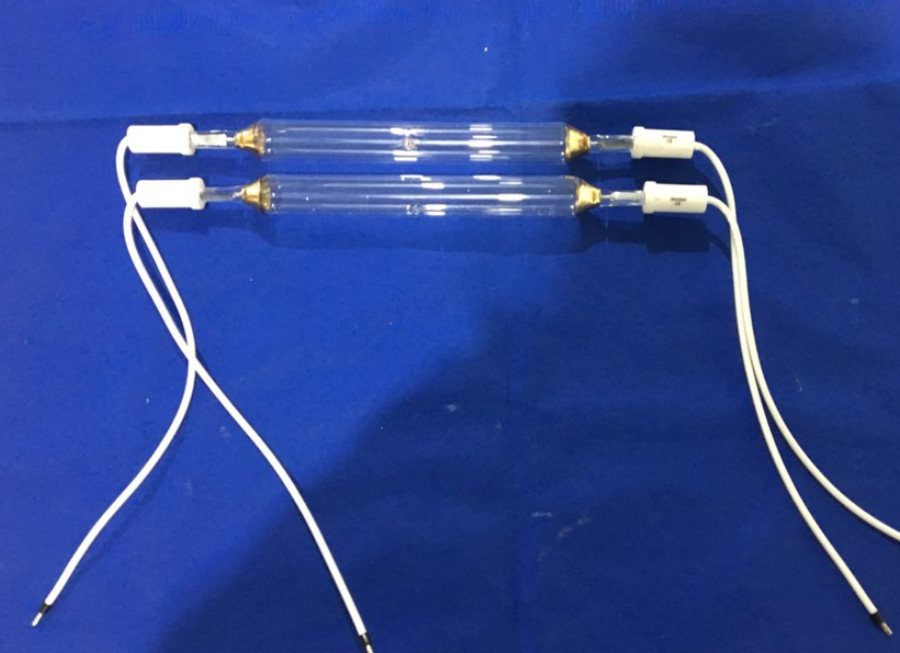
If you’ve ever struggled with thick coatings or those stubborn, heavily pigmented inks, you know how frustrating it is when a standard mercury lamp just won’t do the job. It doesn’t penetrate deep enough. That’s where our Gallium Iodide (GaI) lamps come in. We’ve designed these to push the light further—specifically in that 300nm to 420nm range. Instead of just hitting the surface, the light actually sinks in. It gets deep into the material, ensuring everything is cured all the way through, not just on top. A word of caution on the heat. Because we pack so much energy into these lamps to get that rapid cure, they run hot. Really hot. You’ll want to keep a close eye on your cooling system. If your airflow isn’t dialed in perfectly to the lamp’s wattage, you’re looking at two problems: your bulbs will burn out way too fast, or worse, your substrates will start to warp. It’s not worth the risk—double-check those fans. Built for the real world We use high-purity fused quartz for the glass. Why? Because regular glass swallows UV light, and we want every bit of that energy hitting your product. Plus, we know you don’t want to spend a weekend rewiring your entire setup. We offer a bunch of different connector options so these can just slide right into your existing rigs. And for the distributors out there: we get it. You don’t want your cash tied up in a warehouse full of bulbs. We keep a stock of our most popular specs ready to go, so we can ship them out the moment you need them. Getting them running You’ll mostly see these in electronics, automotive work, or medical device adhesives. But here’s the trick to getting them right:your ballast has to match the voltage exactly. If the ballast is underpowered, you’ll get flickering. That leads to inconsistent cure depths, which means more wasted parts and more headaches. We make these in various lengths to fit whatever conveyor footprint you’re working with. And if you’re running a high-speed line, you’ll love the rapid-start capability. It cuts down the downtime during cycle changes, so you can keep things moving.