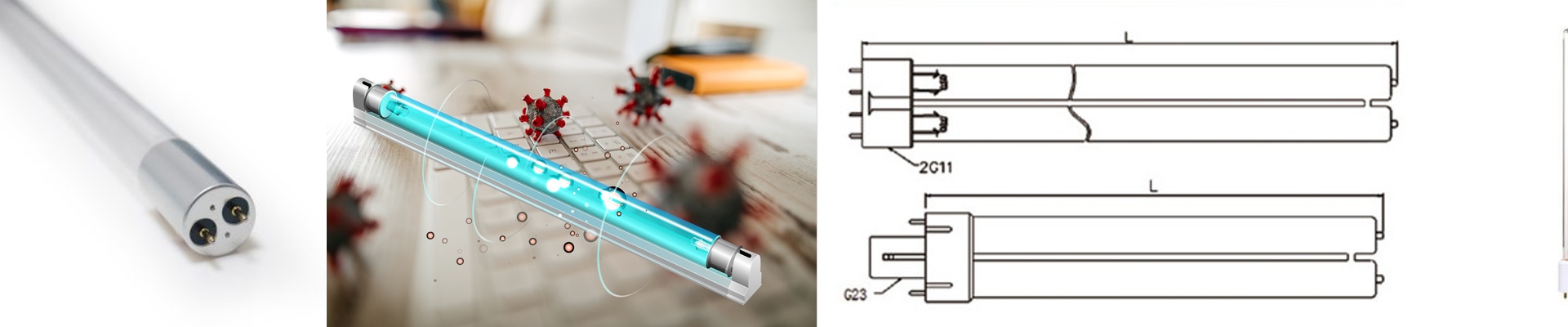
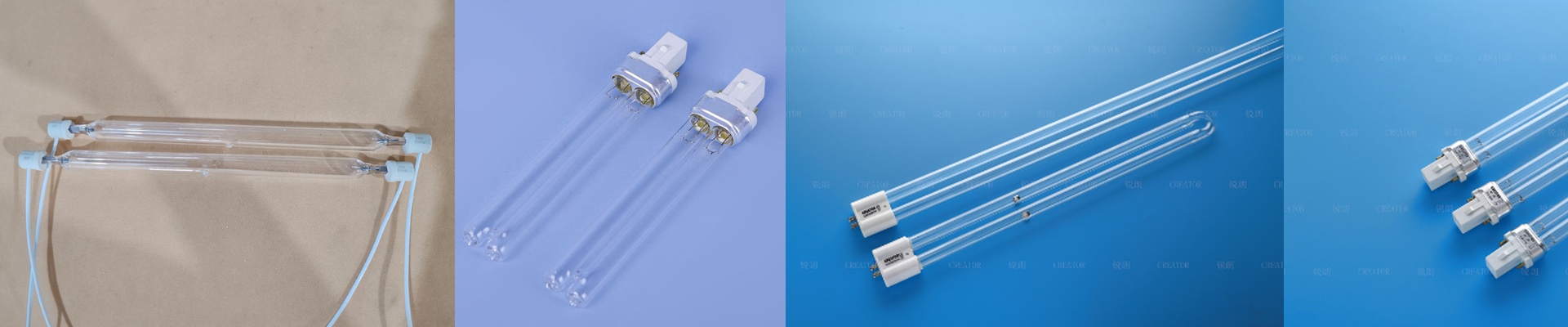
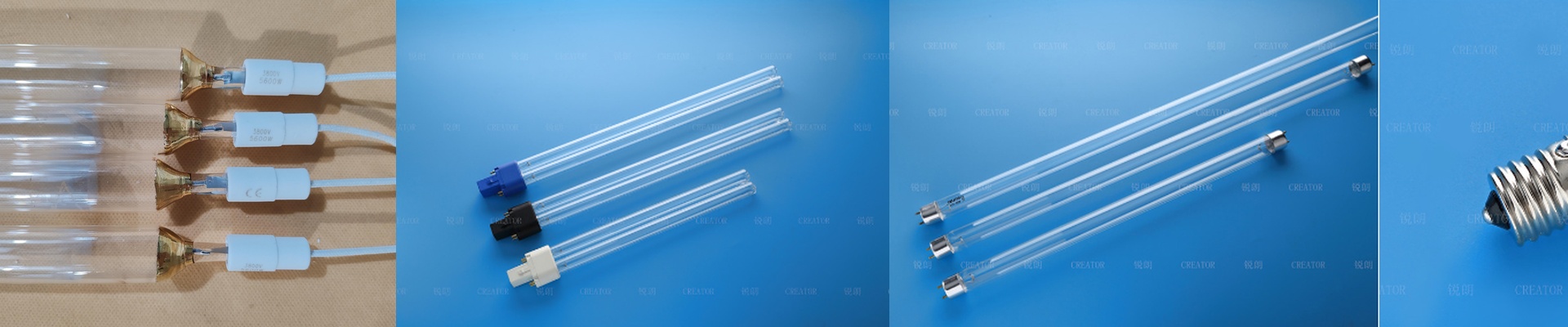
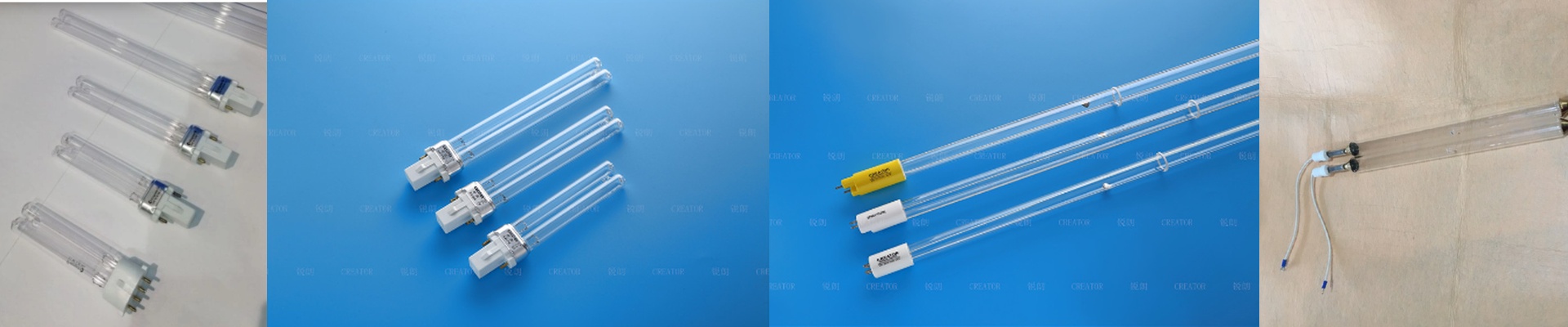
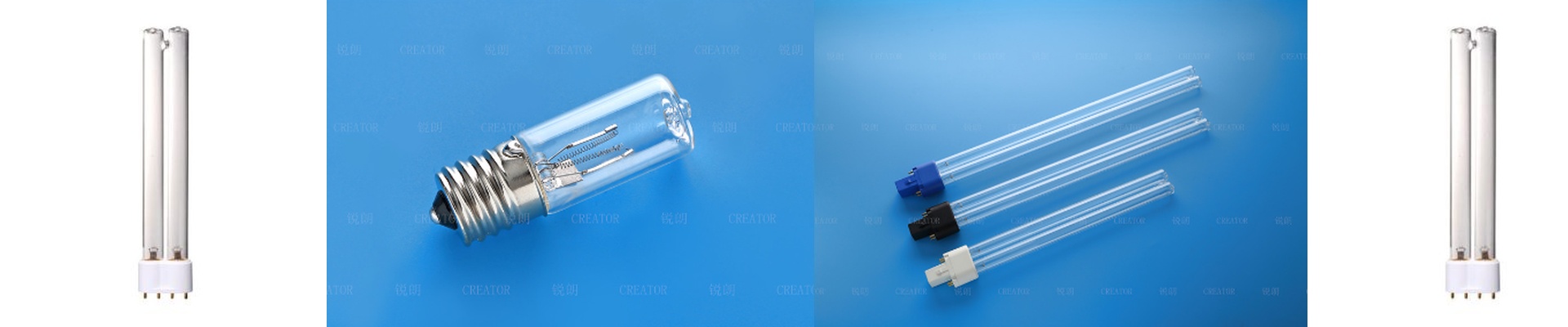
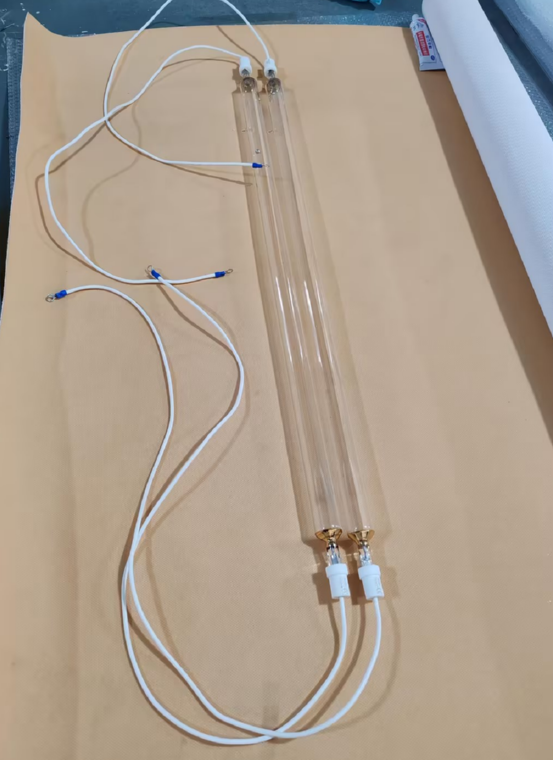
On the press floor, a bright-looking UV lamp can still leave you short. If the photoinitiators aren’t getting the spectral energy they need, cross-linking falls apart. You know what follows: adhesion failure, tack, and scrap piling up. The quickest way to stay ahead of that is routine intensity checks with simple UV energy test strips. What actually matters Medium-pressure mercury vapor lamps put out a broad spectrum, with strong peaks around 365 nm and 385 nm that drive photoinitiator activation across a lot of ink formulations. What you have to track isn’t just “lamp on,” but delivered energy density in mJ/cm² and peak irradiance at the substrate. Over time, electrode erosion, quartz sleeve hazing, and reflector degradation cut output. A 15–20% drop can break your cure window, even when the lamp still fires up. Why this works in practice Run UV energy test strips in the same position, at the same speed, and the same geometry as production. Log the energy dose weekly against your baseline. When the reading starts drifting, you catch lamp aging and reflector fouling before the ink shows it. That keeps spectral distribution consistent, stabilizes cross-linking, and prevents downtime. It also lets you replace lamps and reflectors based on data, not guesswork. A few field-proven details UV energy test strips are sensitive to distance, angle, and reflector alignment, so keep placement repeatable. Replace the test strip batch on schedule—photochemical response drifts with storage. Medium-pressure mercury vapor lamps run hot, so verify airflow and cooling to protect the lamp, reflector, and electronics. And match the lamp to the cure window. Over-specifying power can damage thin films; under-specifying invites incomplete cure.