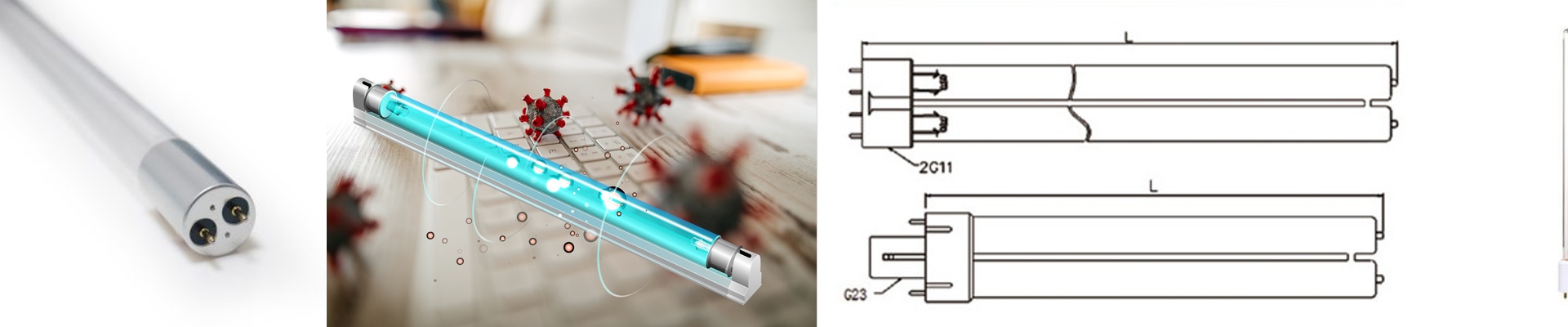
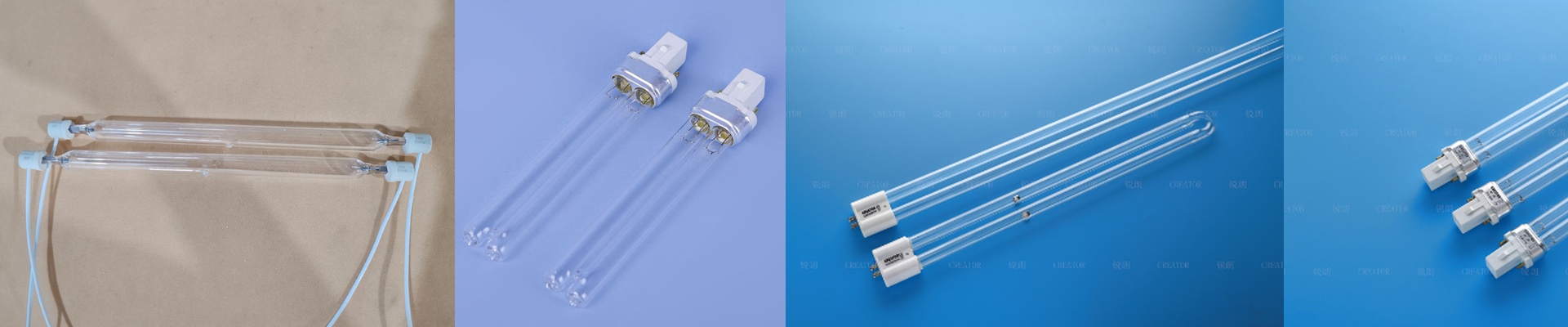
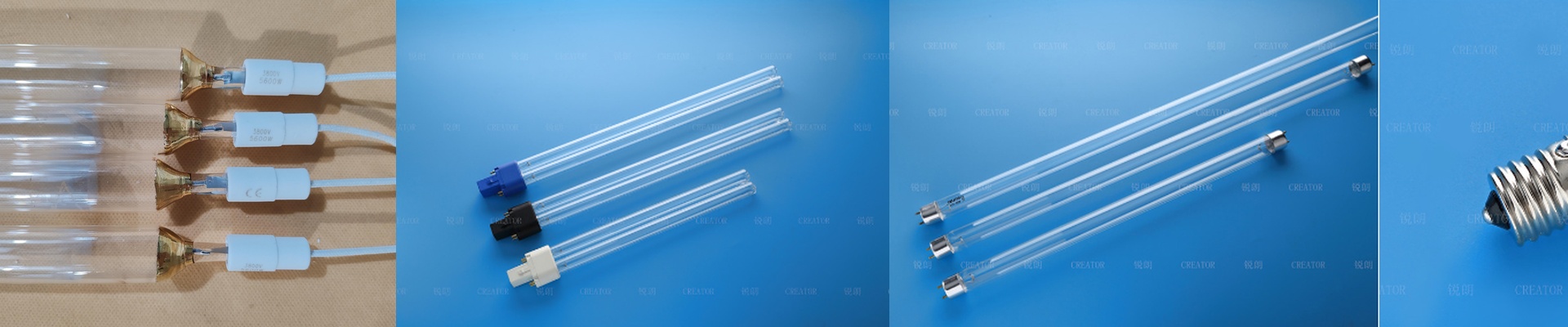
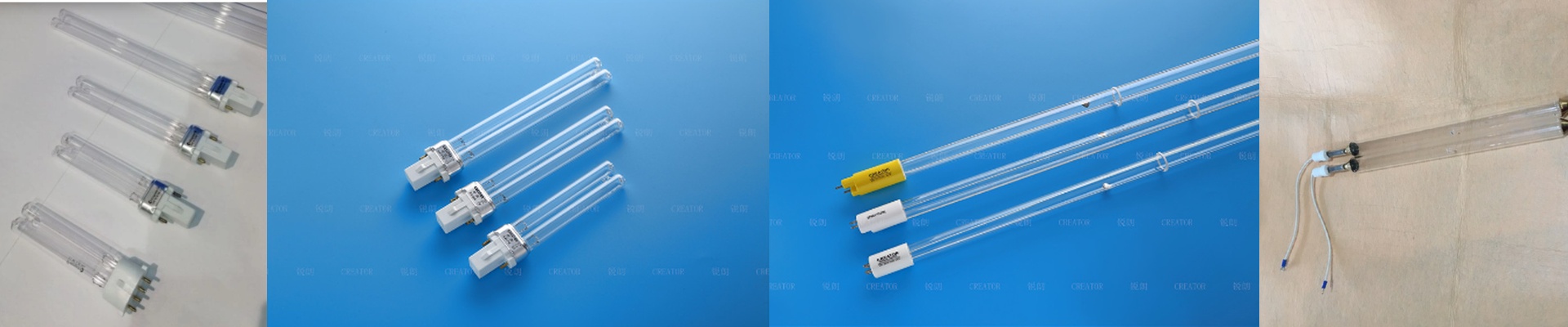
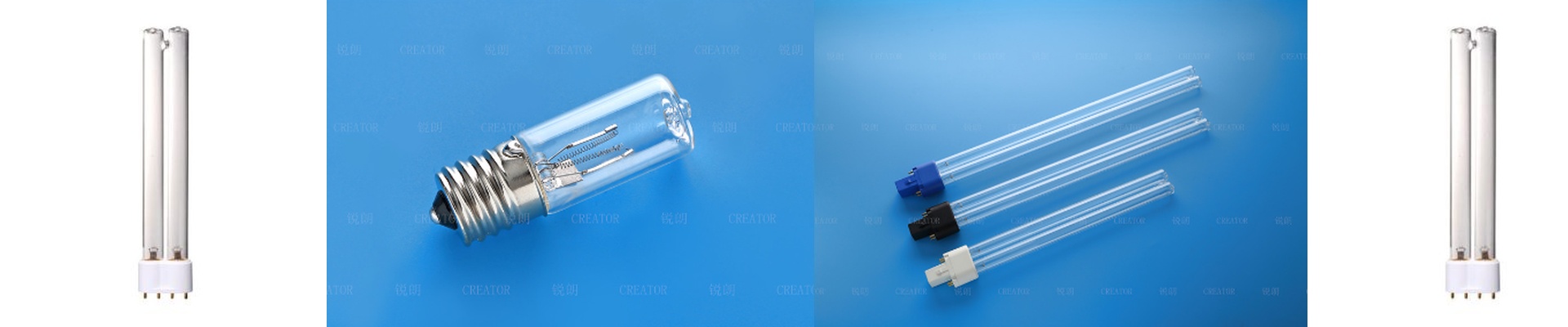
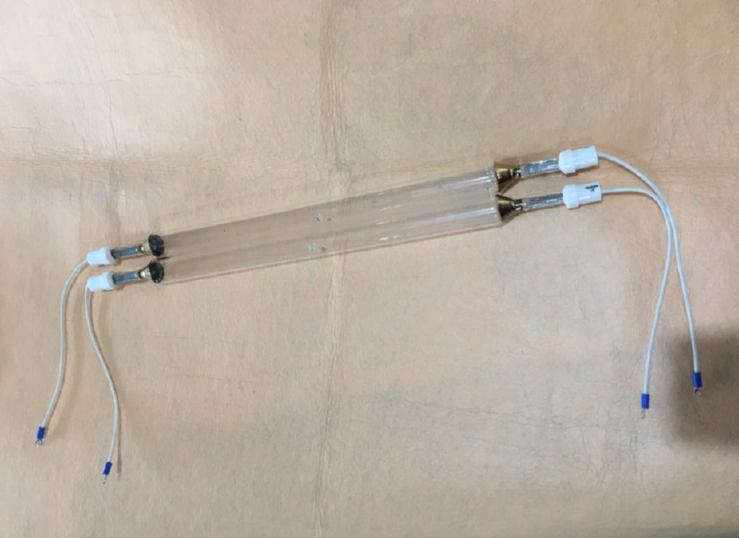
On an Anatol flash line, you can’t afford downtime just to rewire. The real question is: how do you get more cure out of the machine without cutting the cabinet, re-rating the power supply, or re-certifying the whole platform? We built a high-intensity UV spot lamp that drops in with the same footprint and electrical interface. The upgrade is purely mechanical—plug-and-play. What matters out on the floor isn’t the label on the lamp. It’s the dose at the substrate. Our unit is built around a high-pressure mercury vapor source, with a stabilized spectral output centered on 365nm. That wavelength is matched to the absorption profile of the photoinitiators in UV offset, flexo, and screen inks. We specify peak irradiance at the arc plane, and the energy density at the cure point stays repeatable because the reflector assembly holds beam uniformity and focal position. We call the output out in mJ/cm², and we back it with spectral radiometer data so you can tie lamp output to cross-linking and adhesion on your exact ink set. The reason it works on an Anatol is straightforward: the conveyor, shutter timing, and safety interlocks are already there. We keep all of that intact and simply deliver higher intensity within the same dwell window. That means you can shorten the flash interval and still lock in a tight cure window on thicker ink deposits. Fewer tacky passes, less scumming, and more throughput—without changing the way the job runs. A couple of shop-floor checks before you swap in. **Verify the existing lamp base, the ignition method, and the cooling air path.**The replacement has to be aligned to the original optical axis. Even a small misalignment shifts the dose profile and can leave the edges under-cured. Also, expect this lamp to run hotter than the original. Keep airflow where it should be, and keep the reflector clean—output and lamp life both depend on it.