On a high-speed line, microbial contamination isn’t a theoretical worry—it’s the kind of problem that shuts you down. When surface bioburden starts to creep in, you need a sterilization system that delivers repeatable lethality, period. No guesswork.
What matters, technically
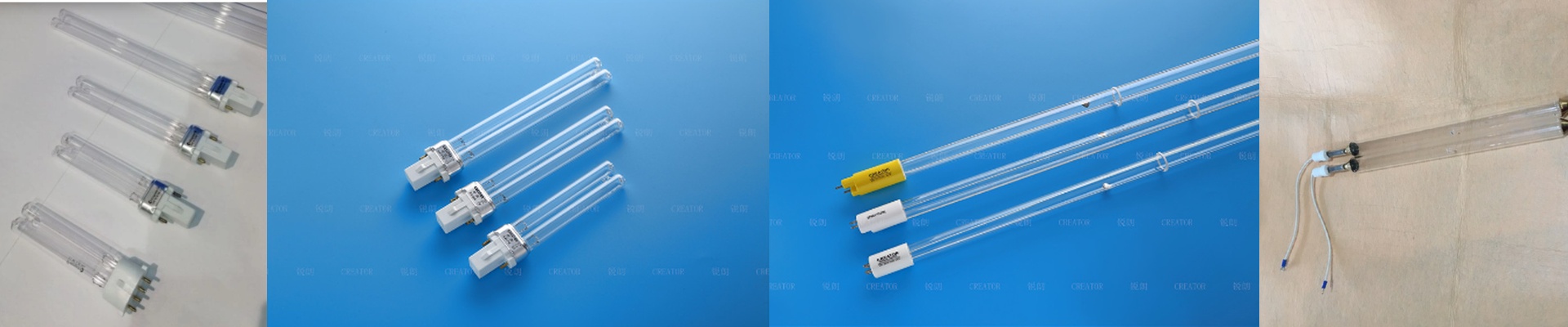
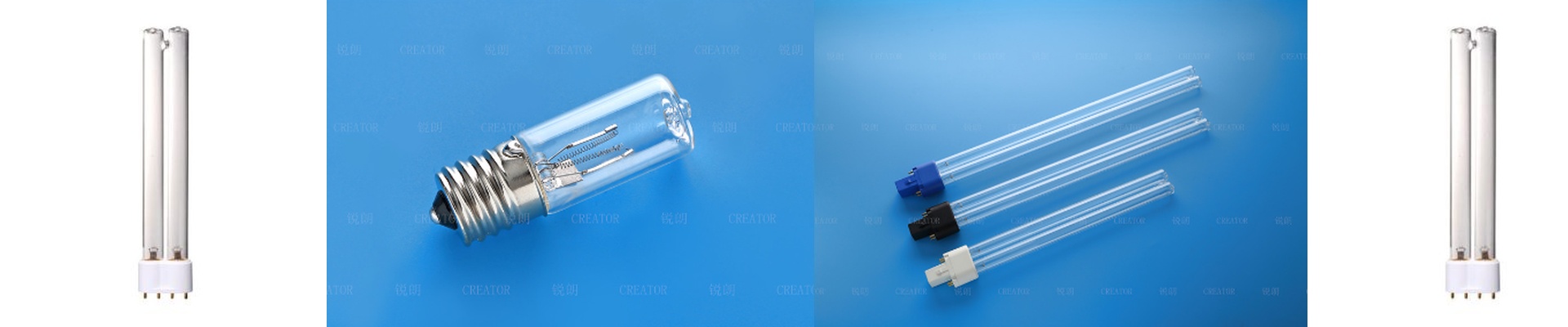
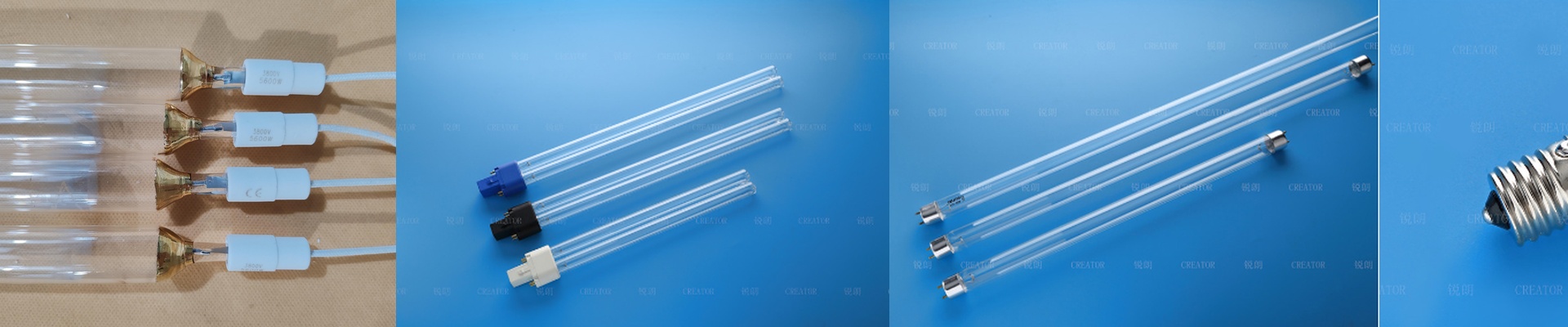
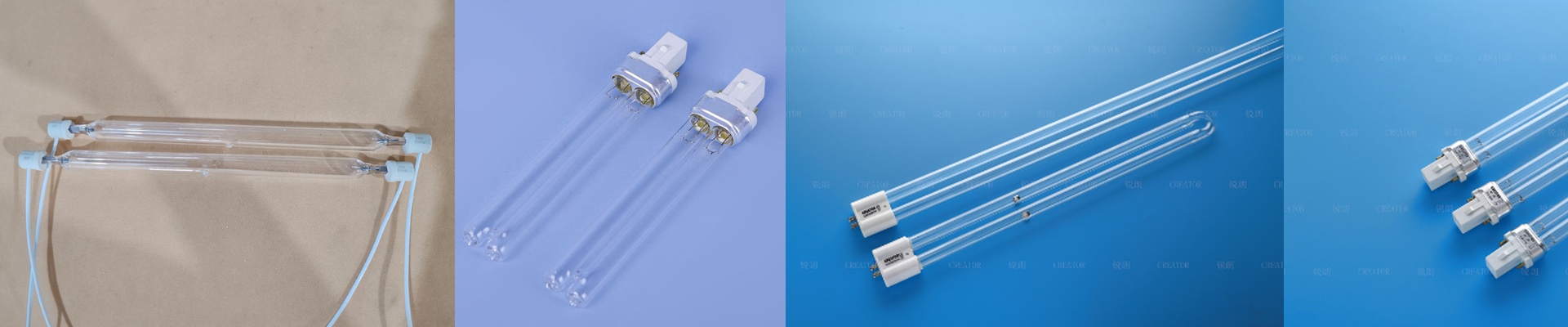
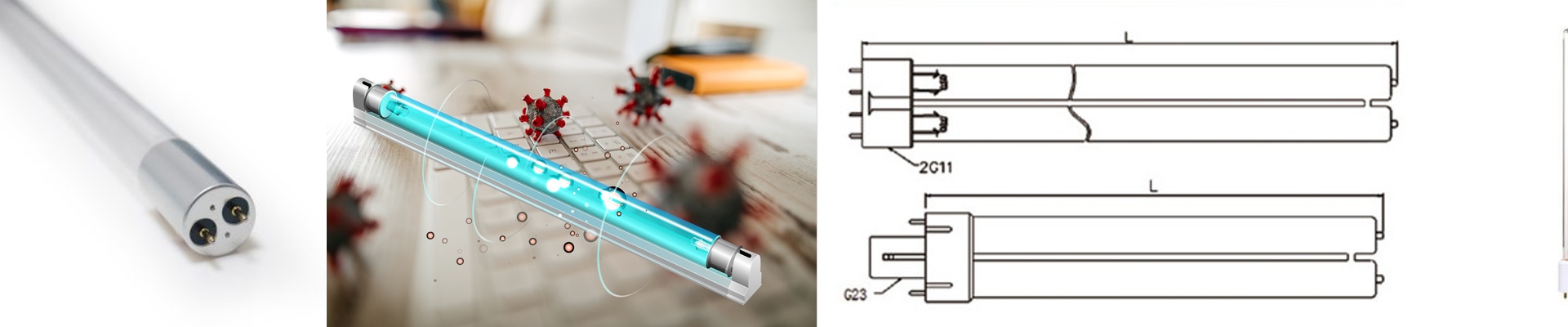
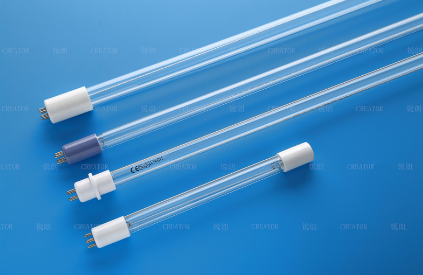
The Osram UV sterilization bulb is built around a stable mercury-vapor discharge that puts germicidal energy right where it counts: 254nm. That’s the wavelength that disrupts DNA and RNA photochemistry, and it’s also where you can measure and control the process. Output comes down to spectral distribution and intensity, not marketing. We call out peak irradiance and keep lamp output stable across the life cycle, so your dose calculations—mJ/cm² at the target plane—stay predictable. The quartz envelope is chosen for high UV transmittance, and the internal fill and electrode design are tuned to fight the output decay that usually follows repeated thermal cycling.
Why it holds up on the floor
We anchor our work in the lab: map spectral output against microbial reduction curves, then translate that into a bulb that holds dose consistency shift after shift. In practice, that means you can run tighter sterilization windows with fewer excursions—less rework, less scrap, and more uptime. And it fits into what you already have. The bulb integrates into existing housings with defined arc lengths and electrical parameters, so you’re not re-engineering the whole chamber.
The details that bite you
UVC energy is effective, but it also stresses materials. Ozone-free operation depends on the specific lamp type and chamber design, so verify the ozone spec against your airflow and exposure geometry. Output uniformity is a joint effort between the reflector and lamp alignment. Even a small angular offset can create a cold spot. Treat it like a system: align, measure, and document.