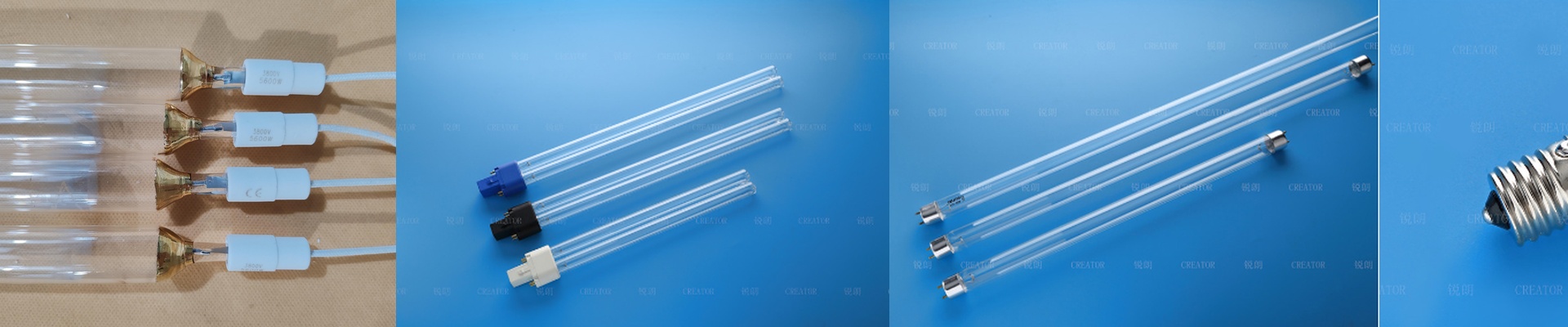
Why We Built This Wire—Because Standard Just Can’t Cut It
Let’s be real: standard wire doesn’t stand a chance next to a UV lamp like this. The heat is intense. The voltage spikes are real. And when you’re running a 400V, 2500W halogen lamp packed into a 300mm tube, you can’t afford to cut corners. Because when your wiring can’t handle the stress, you don’t just get a glitch. You get downtime. You get premature burnout. You get headaches.
What’s Really Going on Under the Hood
Here’s the thing about packing 2500W into a 300mm lamp: you’re squeezing a ton of heat into a small space. The 400V rating helps keep the current manageable, which keeps the wire size from getting crazy. But the watt density at the quartz envelope? Intense. And that 300mm length isn’t random—it’s the footprint most machines are built around. So the wire has to match that geometry, and the terminal spacing too. Expect tight clearances. Expect serious radiant heat. Plan your conduit and spacing with that in mind.
The Materials That Make It Work
The lamp itself uses a quartz envelope with a halogen cycle. That cycle keeps the filament stable even when things get scorching hot. But it only works if the envelope stays hot enough, so the internal gas chemistry is tuned to keep output steady. Then there’s the R7s connector. It’s rigid, gives you two solid contact points, and locks the lamp in place. It stays tight even when the terminals get seriously hot. And the wire? It’s insulated to handle the radiant heat from the quartz body. So you don’t have to worry about the insulation breaking down right next to the lamp.
What It Feels Like on the Job
In UV curing and industrial heating, you want a lamp that fires up fast, holds temperature, and wires up clean. This setup—high-temperature wire, 400V/2500W spec, and the R7s termination—gives you a straightforward, drop-in install. But there’s a trade-off: heat. Run this lamp at full power, and your machine’s cooling and shielding have to be up to the task. If they’re not, you’ll cook nearby components. So plan for the heat. Expect it. Manage it. And when you do, you get a system that just works.