Dealing with EMI in 80W/cm Mercury UV Systems
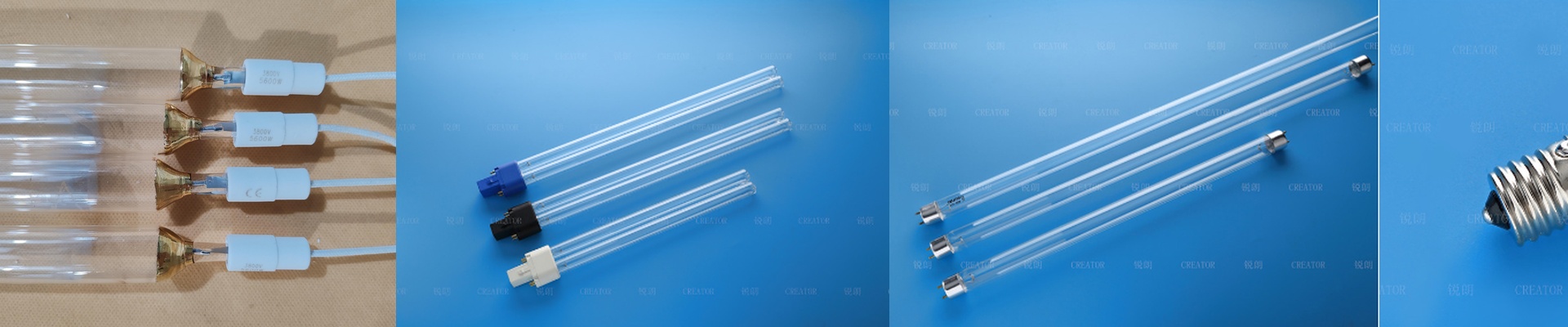
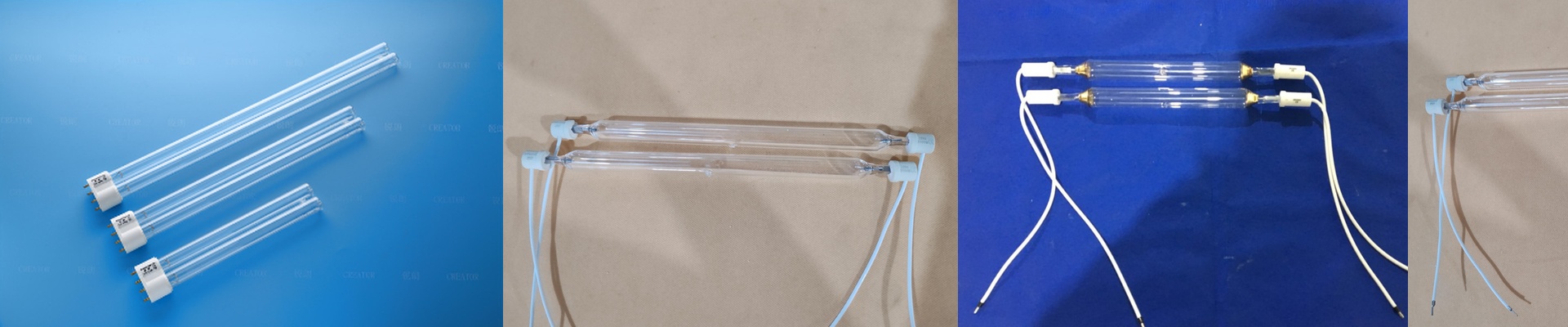
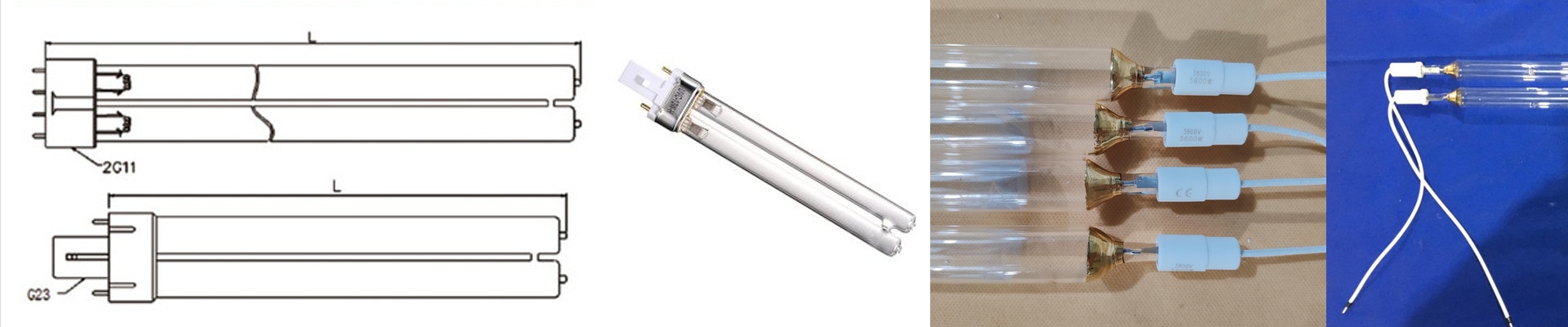
If you’re running high-speed curing, 80W/cm mercury lamps are basically the heavy lifters of the shop. We build them to handle the massive electrical loads you need to get industrial inks to set fast. Now, if you’ve only got one lamp running, you probably won’t notice any issues. It just works. But things get messy when you’ve got ten or twenty large-format presses all crammed into one room.
The Headache of Electrical Noise
Printing shops are loud—and I don’t just mean the noise you can hear. All those motors, servos, and high-voltage power supplies create a ton of electromagnetic interference (EMI). It’s like invisible static filling the air. In a cheap UV system, that static leaks right into the ballast and the lamp arc. You’ll notice it as a flicker or just a general inconsistency in the UV output. And we’ve all been there: you finish a run only to find “wet spots” or patches that didn’t cure properly. It’s a nightmare. To fix this, we focus on the nitty-gritty details—things like shielded components and tighter tolerances on the electrode construction. We make sure the ballast can actually handle a high-noise environment. It keeps the arc steady, even when the press right next to yours is pulling huge current spikes.
The Trade-offs
Pushing 80W/cm gives you the intensity you need for those blistering line speeds. But there’s a catch. All that power creates a lot of heat. You can’t ignore the thermal load. If your cooling fans are clogged with dust or your airflow is blocked, the quartz envelope starts to feel the stress. It doesn’t just kill the lamp’s lifespan—it can actually mess with the spectral output. Here is a pro tip: check your reflectors every single shift. A dirty reflector is basically throwing away the energy you’re paying for and pushing that heat right back into the lamp. Just keep your cooling system matched to the lamp’s wattage, and you’ll avoid those premature burnouts.