Don’t Let Your UV Setup Become a Legal Nightmare
If you’re planning out your 2026 production lines, you’re probably staring at a spreadsheet of wattage, arc lengths, and spectral outputs. Those numbers matter, sure. But they’re only half the story. The other half? The legal mess you might be walking into.
The heat is the real enemy
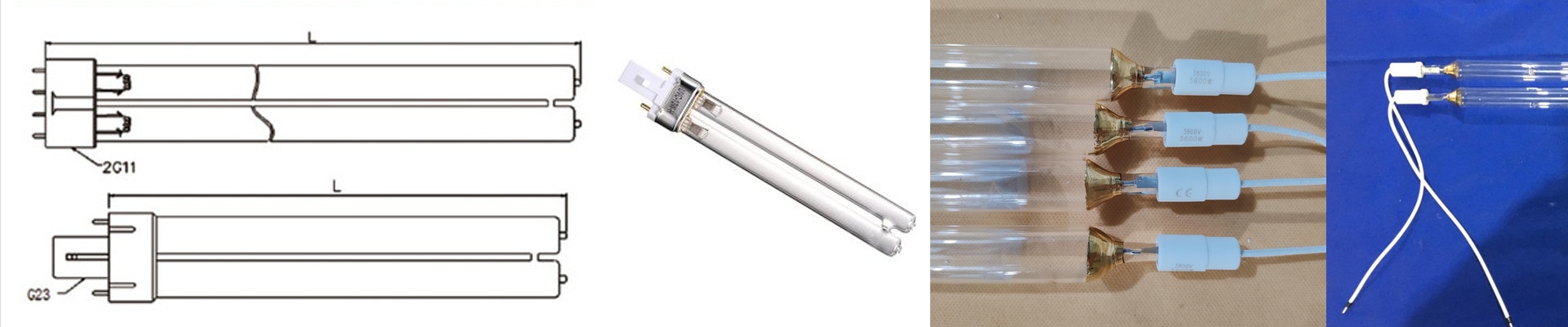
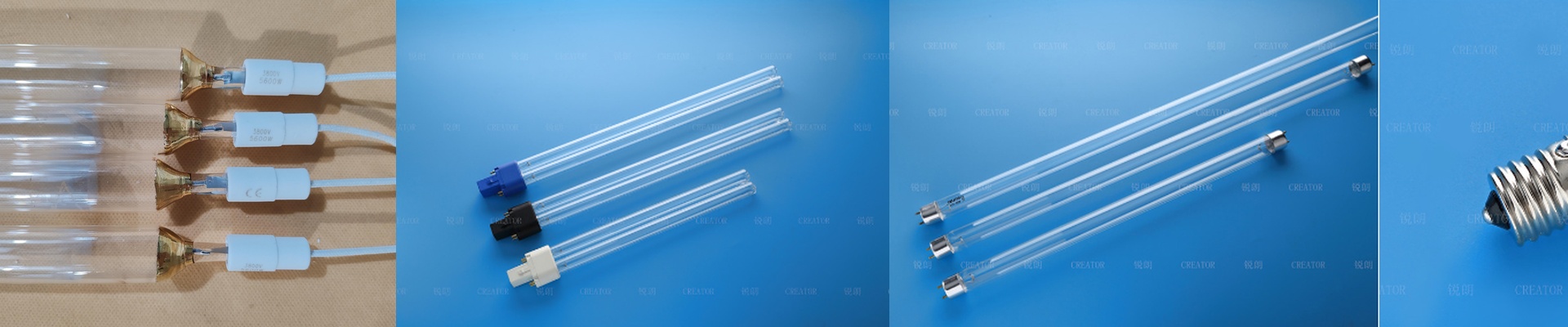
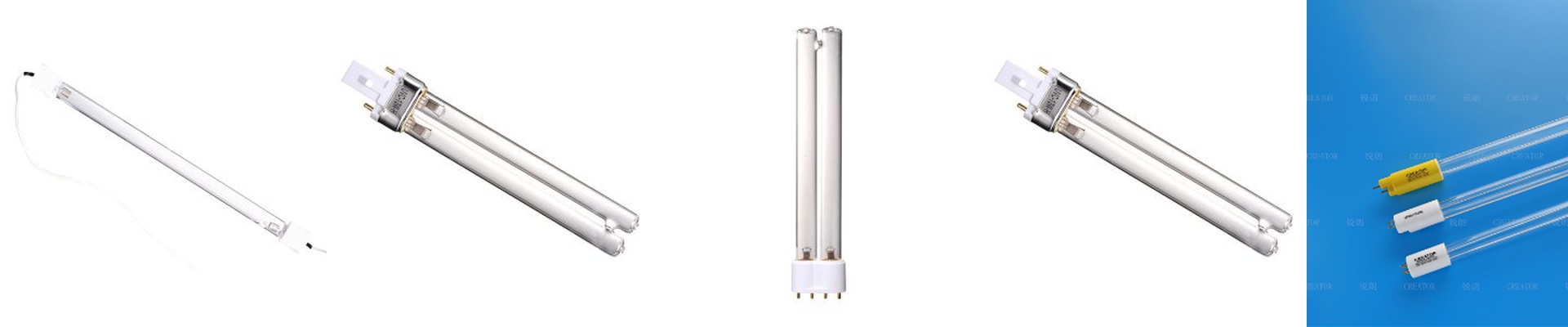
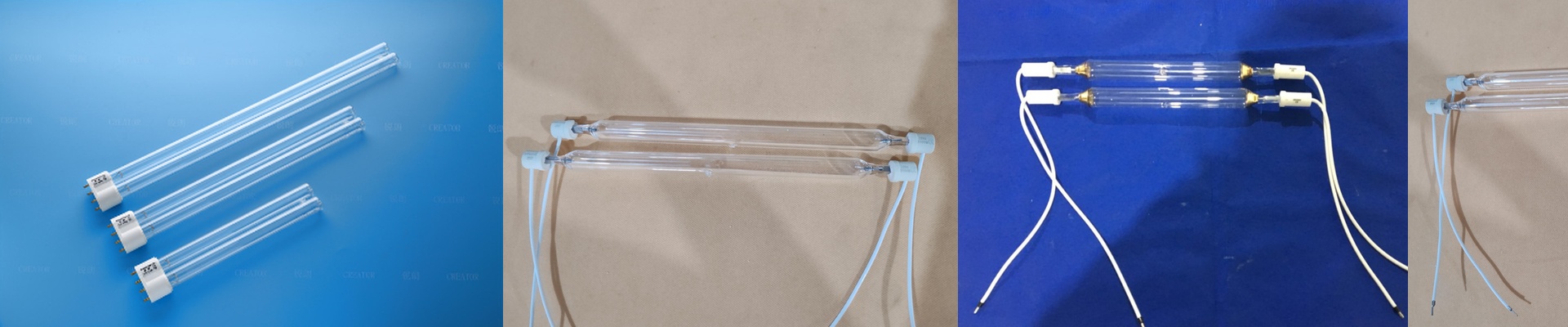
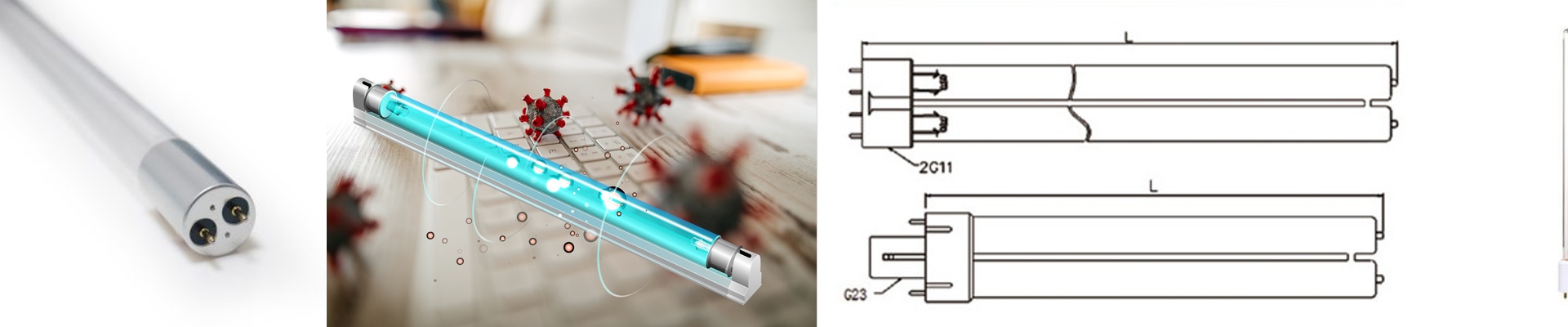
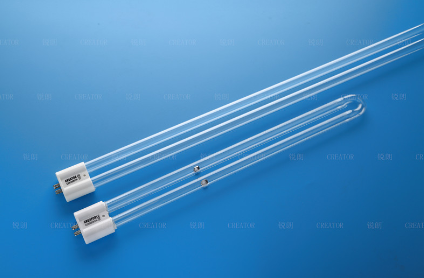
Here is how these high-pressure mercury lamps actually work. We basically excite mercury vapor inside a quartz tube to get that UV-C radiation you need for curing or sterilization. To keep up with industrial speeds, we have to push a lot of voltage into that arc. That creates an incredible amount of heat. If your cooling system isn’t up to the task, the quartz starts to stress. Then, the lamp just gives up and burns out way too soon. It’s a frustrating cycle.
The “Generic Lamp” Trap
You’ll find plenty of suppliers selling “generic” UV lamps. Often, these are just clones of someone else’s design. That’s a massive risk. If you ship machinery overseas containing tech that infringes on a patent, you’re asking for trouble. We’re talking customs seizures or lawsuits that can freeze your entire operation. We do things differently. We hold our own patents on how the electrodes are shaped and how the gas is filled. When you put our lamps in your machines, you aren’t inheriting someone else’s legal baggage. Your export paperwork stays clean. Simple as that.
The Trade-off
Now, let’s be honest. Using a patented lamp means you’re tied to us for replacements. You can’t just grab a cheap, off-brand tube from some random vendor. If you do, you’ll likely run into a mismatch with the ballast frequency or see your UV output tank. But there’s a reason for this. It’s the only way to make sure the lamp doesn’t pop under pressure and keeps a steady curing speed for 10,000+ hours. Pair it with a matched stabilizer, and you can forget about the flickers and voltage spikes that usually kill mercury arcs. It just works. And in a high-pressure factory, “it just works” is the only thing that actually matters.