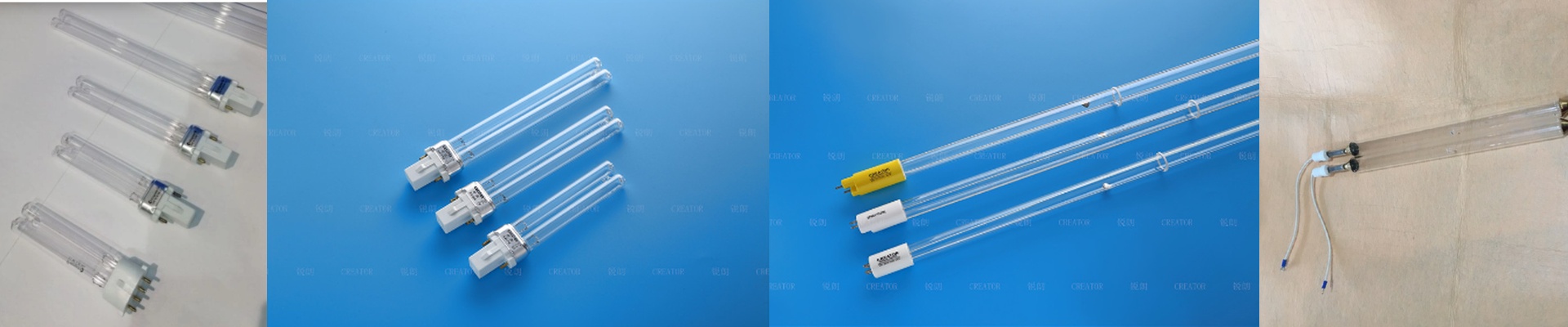
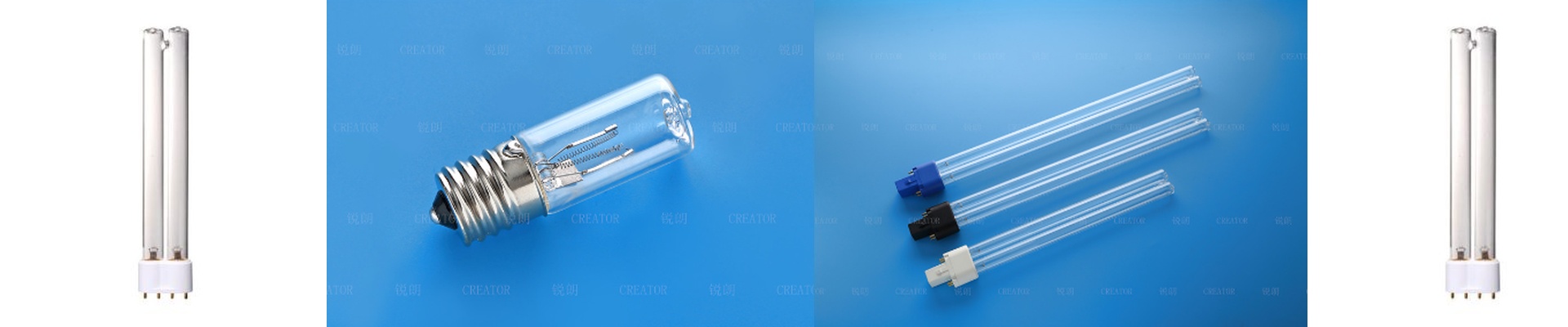
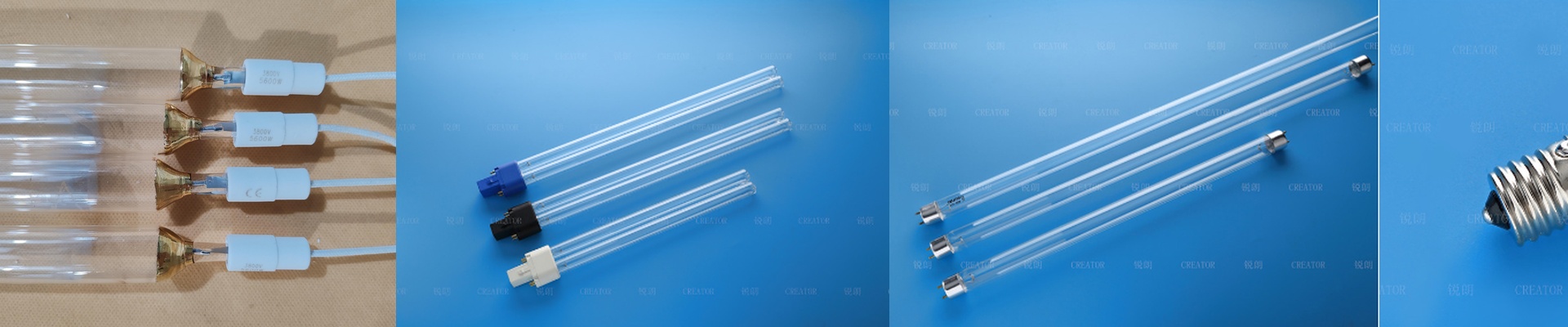
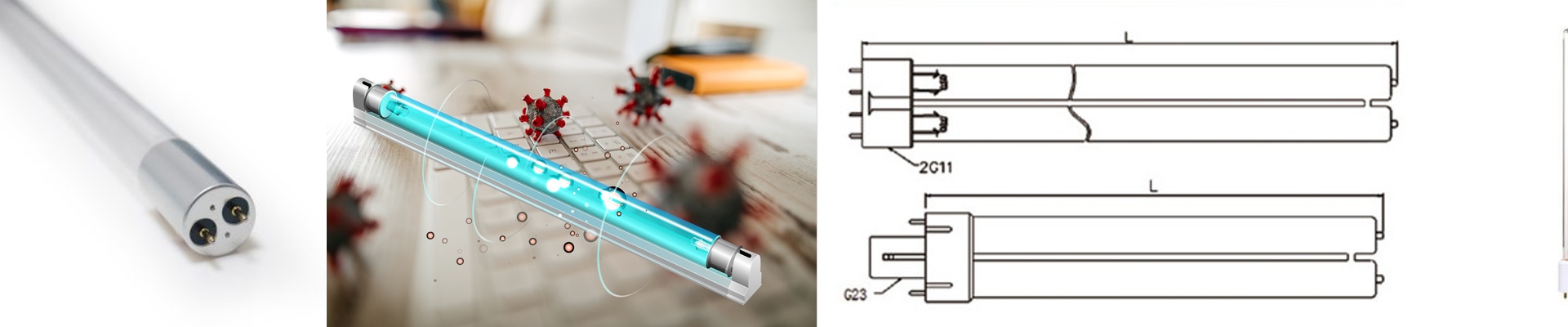
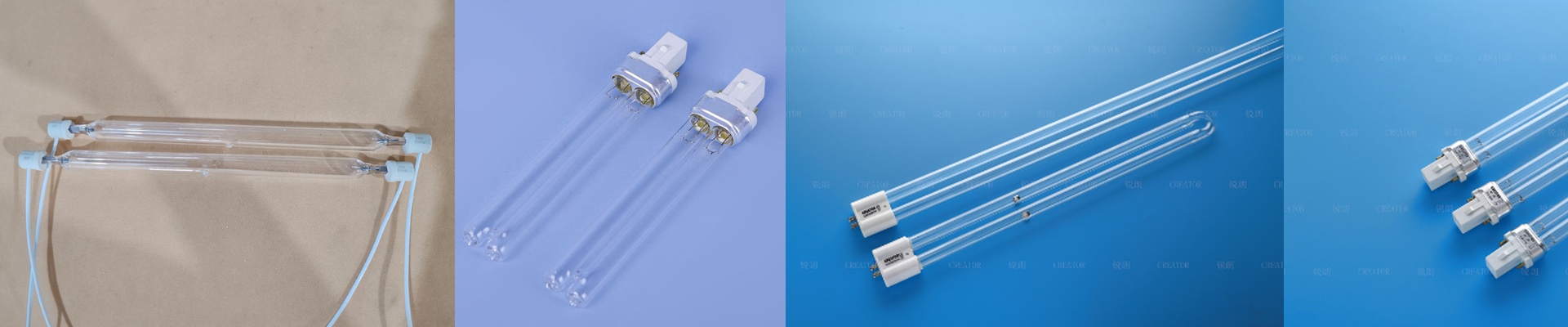
On an art-tile line, the print head only gets you halfway. The rest happens the instant the ink hits the substrate: the UV lamp has to hit with stable spectral output and repeatable energy density. If it doesn’t, that glaze-like gloss and stone-hard surface never lock in. Miss the dose, and you’re left with a tacky surface that dusts and scuffs. Overshoot without control, and you’re wasting power, burning through lamp life, and risking heat build-up in the substrate. The electronic ballast is the control point that makes this repeatable. On art-tile decoration, we match the UV ink’s photoinitiator window to the lamp spectrum, then deliver a consistent dose at line speed. That’s how you turn pigmented layers into a finish that reads like glaze—glassy, dense, and durable.
What actually matters: spectral match, energy density, and stability
A UV curing system for tile printing isn’t just “a lamp.” It’s a spectrally tuned photochemical reactor. The electronic ballast determines how reliably the lamp repeats its output, and how quickly it recovers after line stops.
- Wavelength and spectral output:Most mercury-based UV lamps used in industrial graphics curing are dominated by a strong emission at365 nm, with additional lines in the short-wave UV. If the ink is formulated around a 365 nm photoinitiator package, matching that dominant line maximizes absorption and cross-linking efficiency. Get the spectral profile wrong—too much long-wave, too little short-wave—and the surface cure ends up weak, leaving the coat vulnerable to abrasion.
- **Peak irradiance and power density:**Peak irradiance at the substrate plane is what drives fast surface cure. We design the lamp and reflector system to deliver a high, measurable irradiance at the working distance, expressed in mW/cm². Higher peak irradiance shortens the exposure window needed to reach the required energy dose, so you can run higher line speeds without sacrificing surface hardness.
- **Energy density (dose) and curing speed:**Cure isn’t an on/off switch. It’s dose-controlled:Energy density (mJ/cm²) = Irradiance × Exposure time. The electronic ballast stabilizes lamp power, so the dose per pass stays within tolerance. On art-tile work, you need enough dose to drive full cross-linking through pigmented layers while keeping throughput where it needs to be.
- **Light stability and repeatability:**Electronic ballasts hold lamp current with tight tolerance, which cuts down output drift. That matters because even small swings in irradiance become dose errors—gloss variation and inconsistent hardness across the tile. With a stable ballast, you set the process window once and run it shift after shift.
- Lamp life and managing output degradation:Mercury vapor lamps age. Output declines, and electrode behavior changes. An electronic ballast compensates for lamp impedance shifts, helping maintain consistent output longer and smoothing end-of-life behavior. We’ve got installations running5,000+ hourswith output drop held within a few percent—as long as the lamp, reflector, and cooling are kept up.
- **Ozone control and system cleanliness:**Many tile printers run in enclosed or semi-enclosed paths. We use ozone-free or low-ozone lamp construction and design the airflow to keep ozone from building up. Less ozone means fewer maintenance interruptions and cleaner optics.
Why it works: turning printed tile into a glossy, durable surface
Art-tile printing asks for two things that are tough to get together: deep color fidelity and a topcoat that behaves like glaze—high gloss, high hardness, and wear resistance. The electronic ballast makes that possible by keeping UV output repeatable enough to hit a tight dose window.
- **Gloss is surface cure, plain and simple:**Gloss lives at the surface. If the top layer cures with insufficient cross-linking, it stays microscopically soft and scatters light. With stable irradiance and controlled exposure, the surface cures quickly and evenly, letting the coating level and reflect cleanly. The finish reads as glass-like, not matte or uneven.
- **Hardness comes from full cross-linking through the layer:**Hardness isn’t just “surface dry.” It’s polymer network density. The 365 nm dominant output penetrates pigmented layers more effectively than weak short-wave-only systems, driving cure deeper and cutting down uncured resin that can stay tacky. When the dose is sufficient and repeatable, you get a hard coat that resists scuffing and dusting.
- **Line speed without gambling on the process:**In production, under-cure is the usual failure mode—speed increases, lamp aging, or heat-induced output drift. A properly matched electronic ballast keeps lamp power stable, so you can push line speed and still hold dose. That means fewer scrapped tiles, fewer reprints, and more consistent color and gloss across batches.
- **Energy use and heat, kept in check:**Electronic ballasts improve electrical-to-UV conversion efficiency compared with older magnetic approaches, and they avoid the warm-up drift that can force you to over-design. Stable output also reduces the temptation to over-power the lamp to compensate for uncertainty, which in turn reduces substrate heating. On tile lines, that lowers the risk of warping sensitive substrates and cuts downtime from heat-related jams.
The realities of integration on the tile line
Electronic ballasts deliver repeatable performance, but only if the whole curing system is installed and maintained correctly.
- **Match the ballast to the lamp and fixture.**Ballasts aren’t universal. Lamp length, arc gap, and electrode characteristics have to align with the ballast design. Run mismatched lamps, and you’ll shorten lamp life and get unstable output. Use the lamp specified for the ballast, and replace the lamp as a matched pair when maintenance is due.
- **Keep reflectors clean and aligned.**Reflectors drive irradiance. Dust, ink overspray, and oxide buildup cut output and create non-uniformity. A reflector that’s even slightly misaligned can cause bands of under-cure that show up as gloss stripes. Schedule optics cleaning and verify alignment every time you change a lamp.
- **Control working distance.**Irradiance drops fast with distance. If the substrate-to-lamp gap varies, dose varies. Use fixed fixtures, wear-resistant mounts, and clear setpoints. When you change tile thickness or curing width, re-check irradiance at the substrate plane with a radiometer.
- **Cooling and airflow are part of the process.**Stable lamp temperature supports stable output. Blocked airflow raises electrode temperature and accelerates output decay. Keep fans clean, ducts clear, and ambient temperature within the design range.
- **Radiometry is your process language.**Set the process window in measurable terms—peak irradiance and dose—and lock it. If you’re not measuring, you’re not controlling. A spectral radiometer turns “looks cured” into a number you can replicate across shifts and suppliers. If your art-tile line is printing high-gloss decoration and struggling to lock in a durable, glass-like surface, the bottleneck is often the repeatability of the UV dose, not the ink. Pair a 365 nm-dominant mercury lamp with a matched electronic ballast, and you get stable irradiance, predictable dose, and consistent cross-linking. That’s how you make glaze-like finish run at production speed.