On the floor, when a garment print cracks after washing, you’re not looking at a random defect. You’re seeing under-cured ink, plain and simple. If the UV lamp doesn’t have the radiant power to get through the ink layer, the photoinitiators never finish their job. The surface can look dry, but at the molecular level, the cross-linking isn’t there.
What matters under the hood
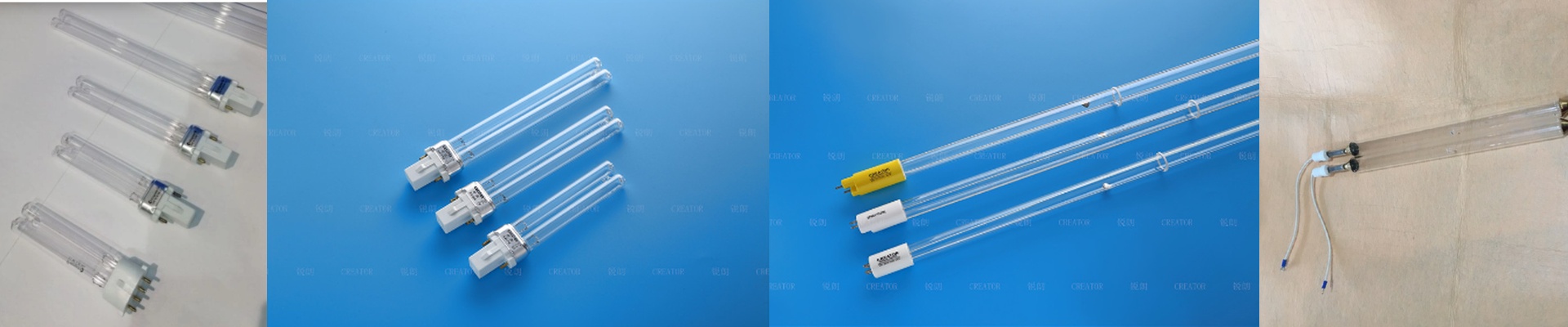
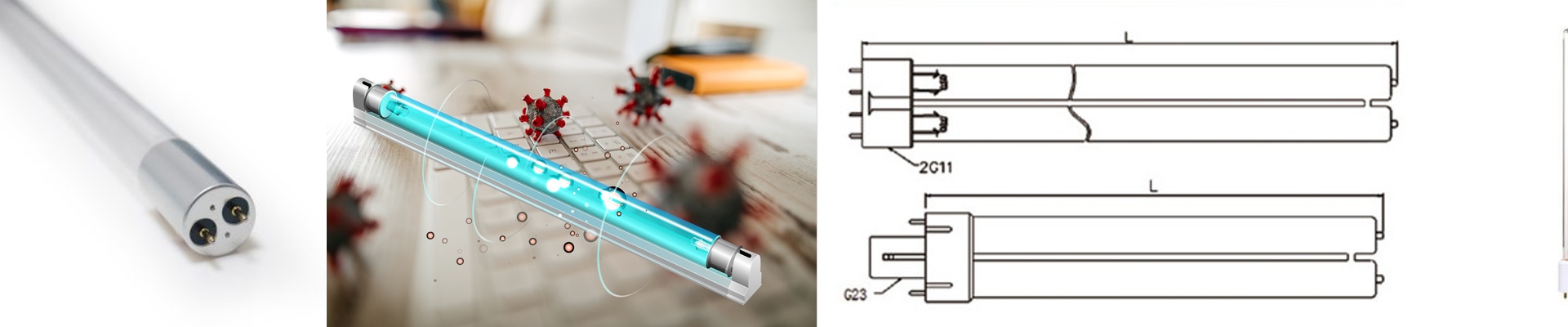
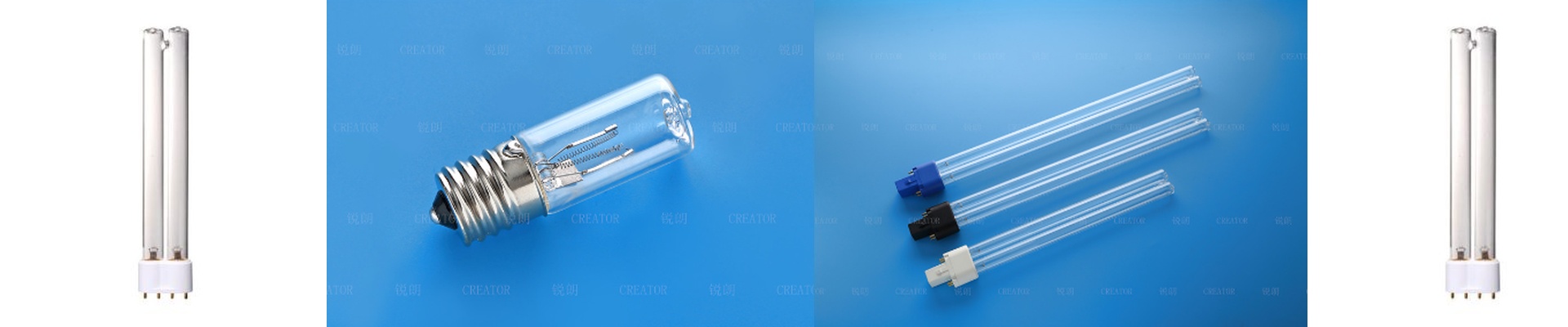
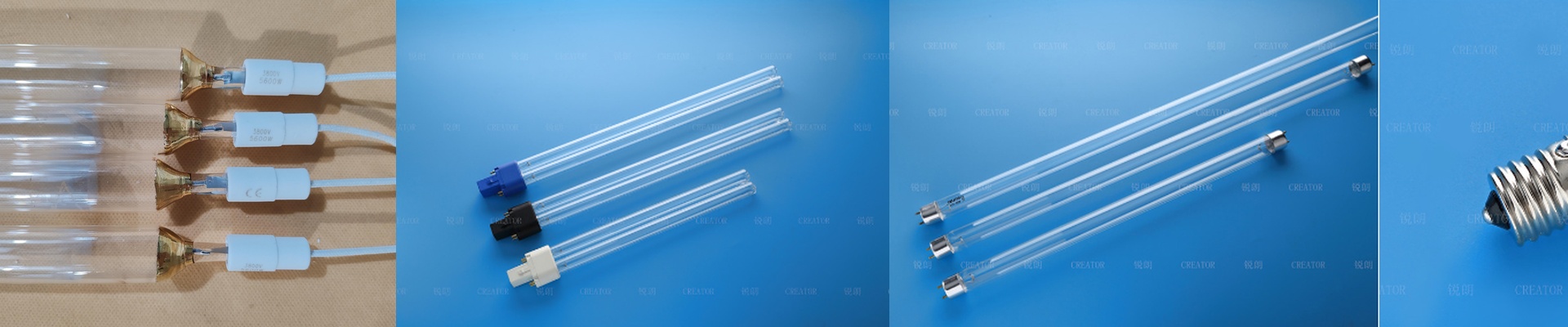
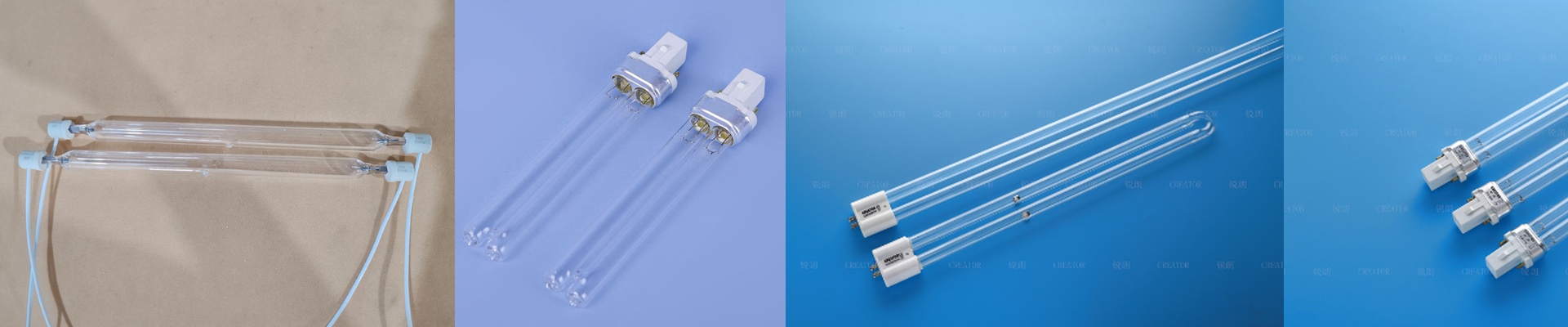
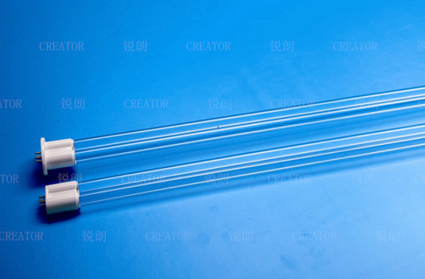
We built our high-output amalgam UVC lamps around a tight amalgam formulation, tuned to hold steady spectral output at 365nm and 385nm—exactly the wavelengths that reliably trigger photoinitiators in textile inks. The design keeps peak irradiance above 2,000 mW/cm², so you get the energy density (mJ/cm²) needed to cure thick films all the way down to the substrate interface. You’ll get 8,000+ hours of lamp life with less than 5% output decay, backed by a low-attenuation quartz body and a dichroic reflector that keeps spectral loss off the table.
Why this matters on apparel lines
In screen and flexo for apparel, wash fastness comes down to depth of cure, not just surface dryness. Our lamps hold consistent photon flux across the full cure window, so you get full cross-linking even on high-pile substrates. The payoff is fewer reprints, lower scrap, and a measurable cut in energy per unit—because the lamp hits target cure faster and holds output steady over time.
The practical details you can’t skip
These lamps need matched ballasts and the right reflector geometry to hit the rated intensity. If the optics are mismatched, peak irradiance drops and you’ll see uneven curing across the web. They run hotter than standard mercury vapor lamps, so verify airflow and thermal management in the machine enclosure before you lock the cover. Plan on inspecting the reflector every 2,000 hours, and keep a calibrated radiometer on hand to monitor intensity at the substrate plane.That’s the only way to confirm you’re curing where it counts.