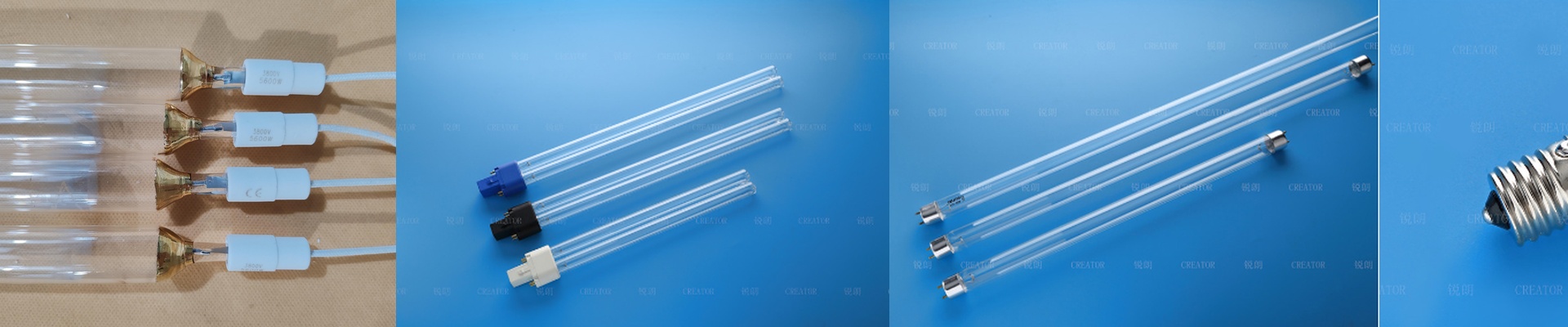
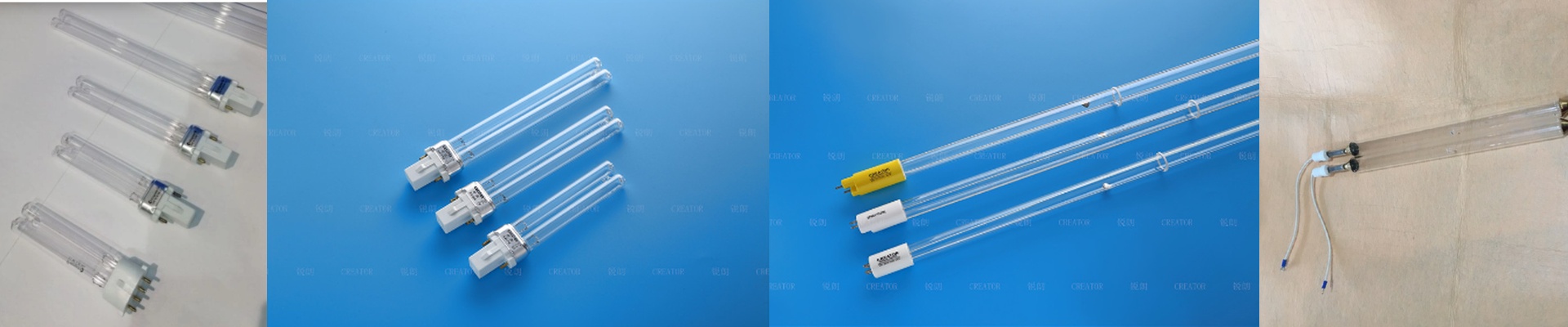
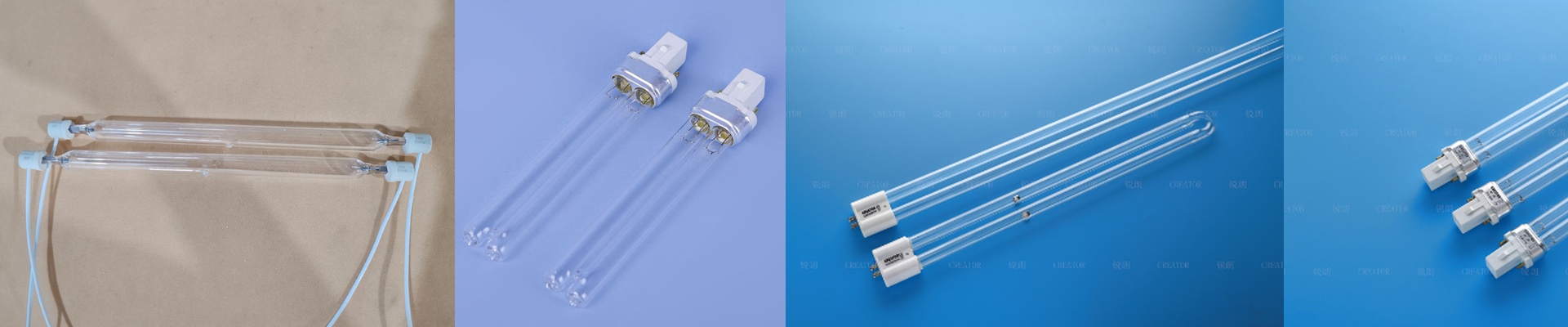
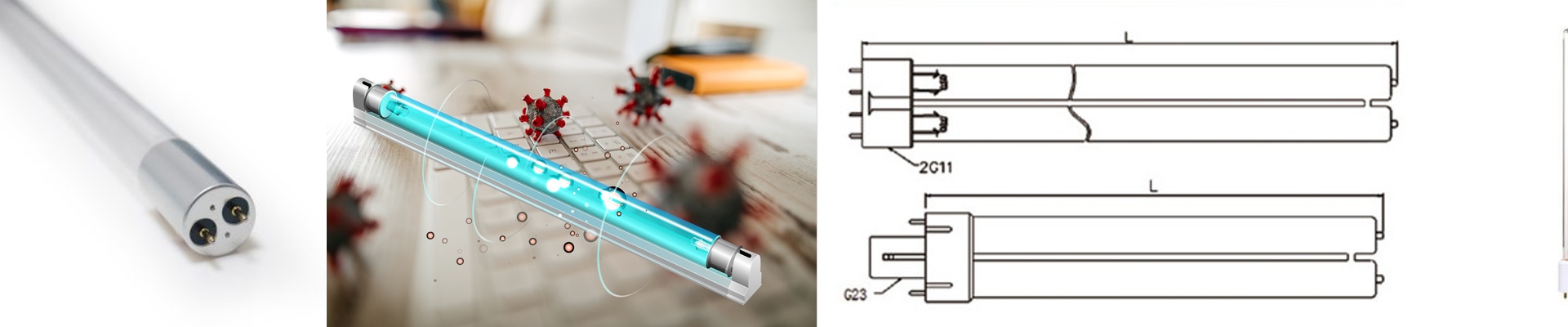
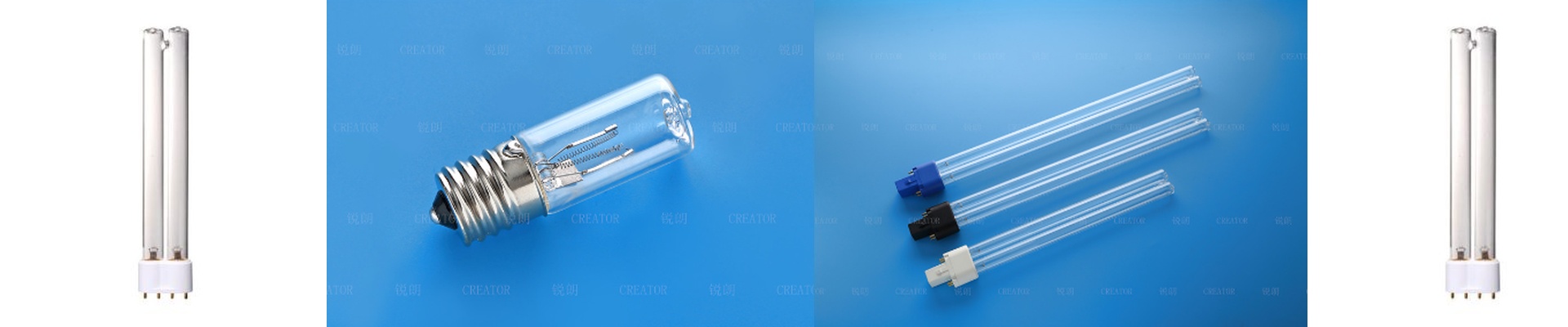
Out in the field, the failure on outdoor canvas doesn’t always hit you right away. You see it months later—colors fade, the film starts cracking, and the adhesive gives up under sun and weather. Nine times out of ten, that comes down to incomplete cross-linking during UV curing. If the lamp’s spectral output and the delivered energy density don’t line up with the ink’s photoinitiators, the print might look dry off the press, but it never becomes chemically stable. What actually matters under the hood Aqua Ultraviolet lamp bulbs are built on high-pressure mercury vapor discharge, tuned to deliver a stable spectral profile with strong output in the UVA band—centered around 365nm and 385nm—where most outdoor-grade UV inks cure most efficiently. Peak irradiance and total energy density (mJ/cm²) are what decide how fully the ink surface and the underlying layer cross-link, not just the lamp’s rated power. We match arc length, quartz envelope, and reflector geometry to the print width so the substrate gets even irradiance across the whole image, and you don’t end up with weak edges that fail later under thermal cycling and UV exposure. Outdoor canvas needs a curing strategy that builds a tough, weather-resistant polymer network. With Aqua bulbs, the right UVA output gets you deeper penetration and more complete conversion of photoinitiators, so the cured film stands up to fading and mechanical stress. On the floor, that means fewer reprints, a stable cure at higher press speeds, and lamp performance that holds up over thousands of hours. For long-life outdoor displays, curing isn’t a step—it’s the main reliability control. A few practical notes. Aqua bulbs are ozone-free and drop into standard UV curing stations, but they’re sensitive to how you run them. Stick with compatible power supplies and ballasts; mismatched voltage and ignition profiles will shorten lamp life and throw off the spectral output. Keep the reflector clean and aligned—lose reflectivity and you lose irradiance at the substrate. Output will decay over time, so schedule periodic radiometer checks to confirm energy density stays inside the ink supplier’s curing window.