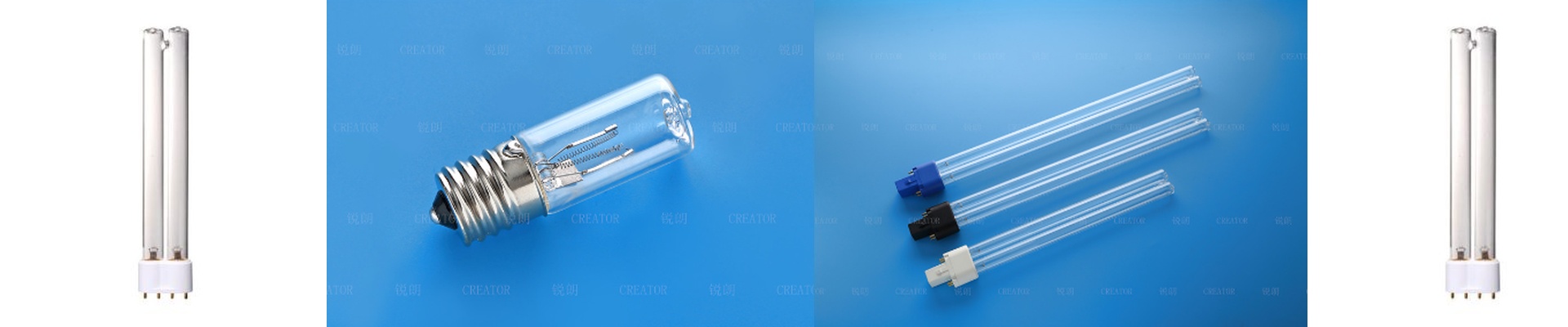
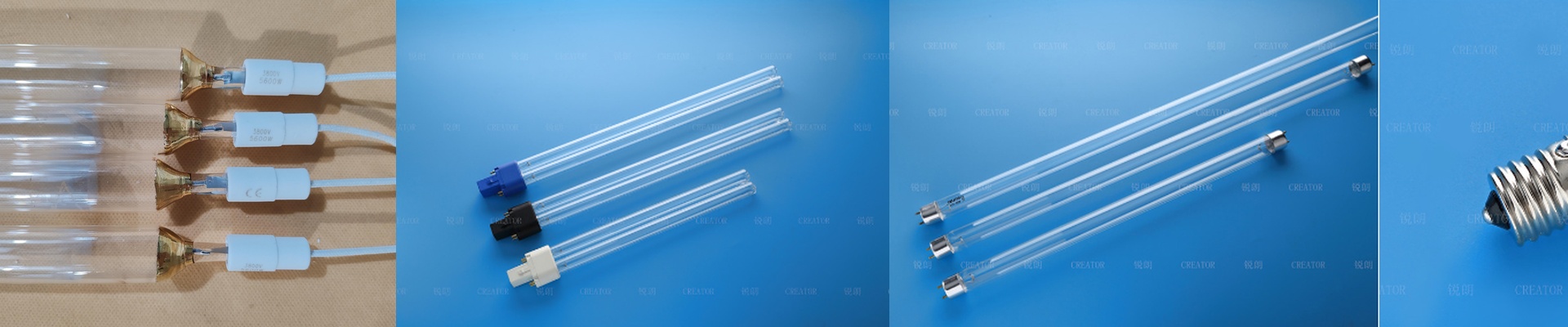
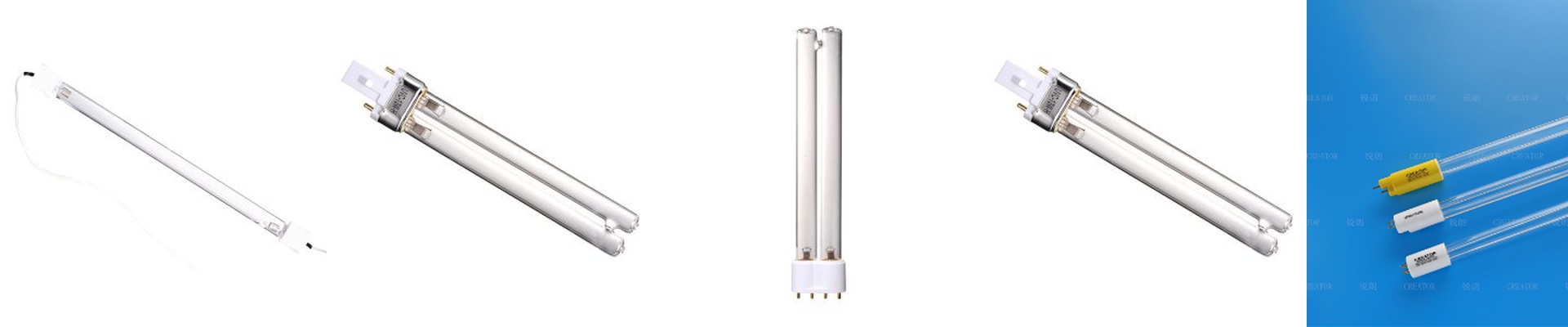
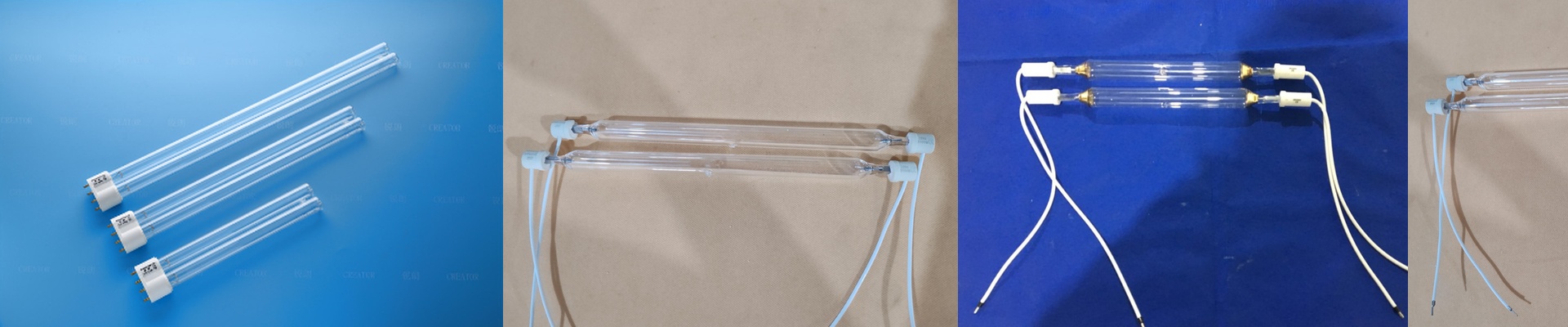
Stop Buying Cheap UV bulbs That Die in a Month
Most people buy germicidal UV bulbs the same way they buy lightbulbs for their house—they just look for the lowest price per unit. But here’s the thing: that “cheap” bulb usually ends up costing you way more in the long run. We decided to stop chasing the lowest price and start focusing on how long these things actually last and what happens to them when they’re spent.
Why most bulbs burn out
It’s usually a physics problem. Standard bulbs fade because the electrodes wear down or the glass gets “cloudy” (solarization), which blocks the light. We use high-purity synthetic quartz. It sounds fancy, but it basically just means the 254nm wavelength can slide right through the glass instead of getting trapped inside. This keeps your germicidal power steady for thousands of hours. Think about it. Longer life means you aren’t climbing ladders to swap bulbs every few weeks, and you aren’t filling up your hazardous waste bins nearly as fast.
Cleaning up the footprint
We also took a hard look at the materials. We’ve cut back on the heavy mercury components and switched to materials you can actually recycle. Plus, we added special coatings to stop that quartz clouding I mentioned. You get a bulb that kills the bad stuff without leaving a toxic mess in your facility. It just feels better knowing your sterilization process isn’t creating a different kind of pollution.
The “Catch” (And how to fix it)
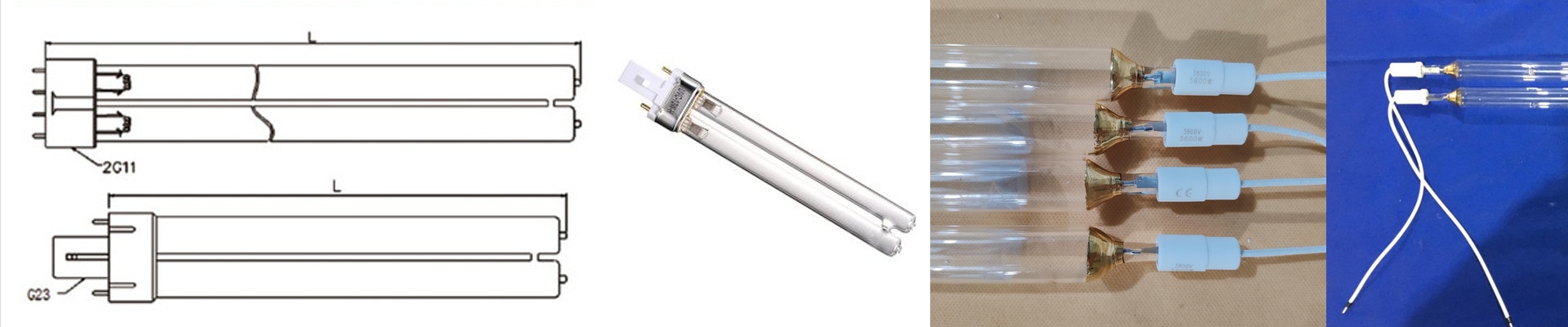
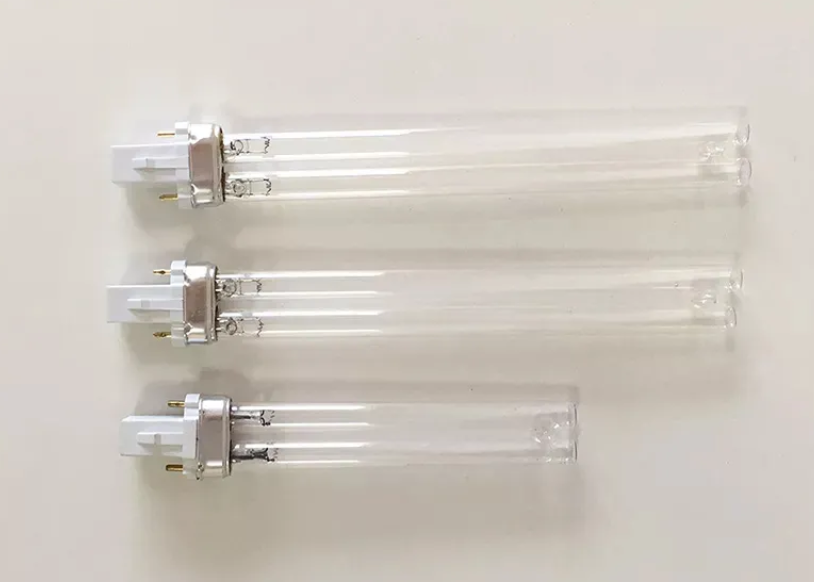
These are drop-in replacements. They fit into your existing arrays, and we’ve tweaked the pins so they snap in quickly without any scary electrical arcs. But I have to be honest with you about one thing:your ballast matters. You can buy the highest-quality bulb in the world, but if your power supply has a high voltage ripple, it’ll chew through the electrodes regardless of how we built the bulb. It’s like putting cheap, dirty gas in a Ferrari. If you want to actually hit those rated hours, make sure your ballast specs match the bulb. Using a cheap, unstable power source will likely cut your bulb’s life in half. It’s a small detail, but it’s the difference between a bulb that lasts and one that quits on you.