Getting Your UV Curing Right
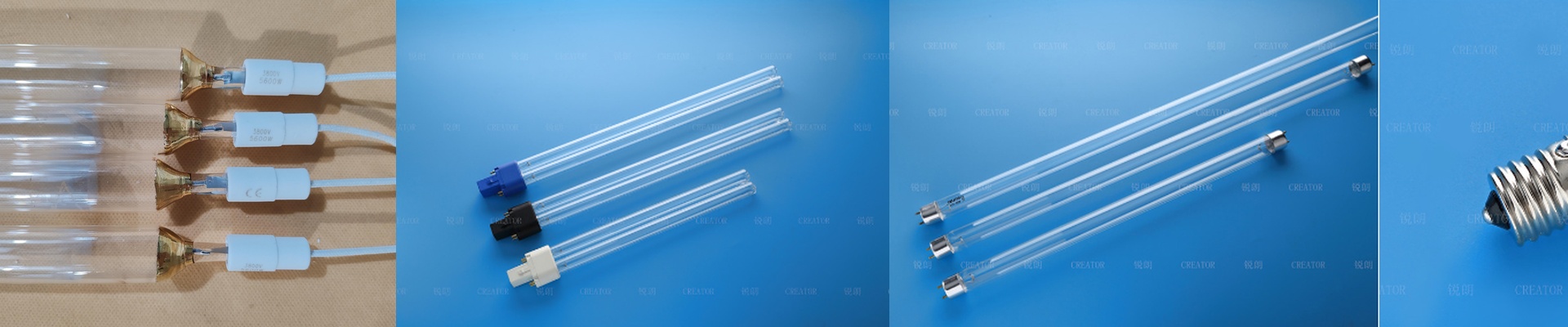
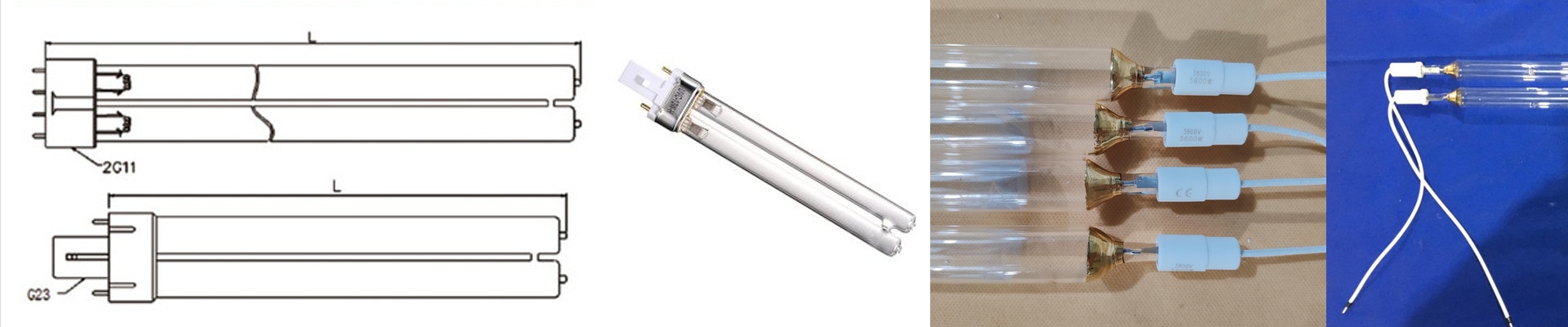
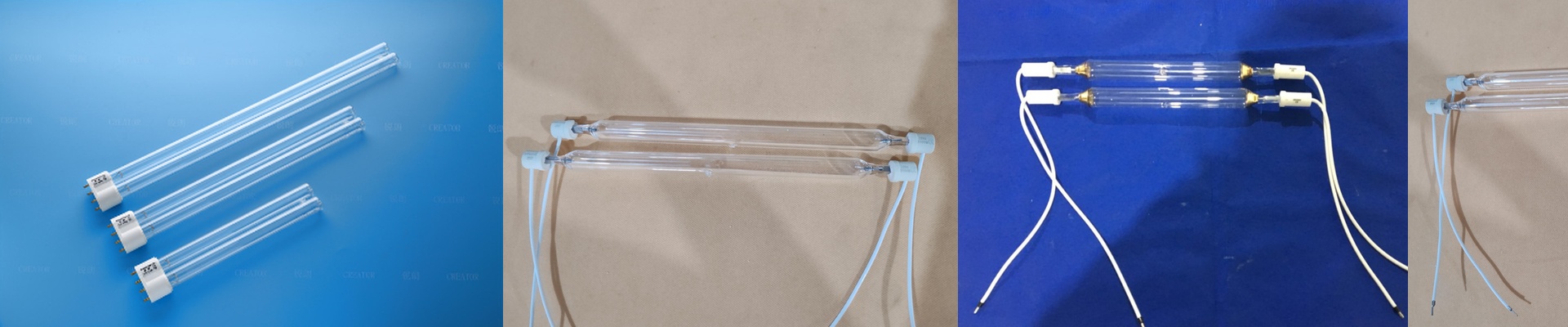
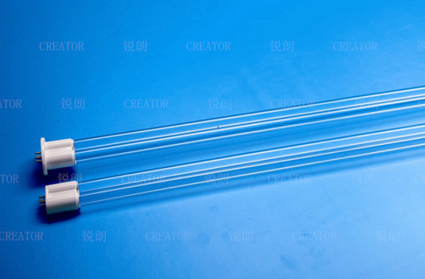
We spent some time at the 2026 printing exhibition showing off our high-pressure mercury lamp modules. Now, these aren’t the kind of bulbs you just grab off a shelf. We built them for the real world—specifically for those industrial lines where you’ve only got a few milliseconds to get that ink to set before the substrate moves on.
The science (without the textbook)
High-pressure mercury lamps throw out a wide range of UV radiation. Our goal is to dial in those UVC and UVB peaks. Why? Because if you’re dealing with thick ink, you need the cure to go deep, not just sit on top. We play around with the internal gas pressure and the thickness of the quartz envelope to get the light just right. It’s a balancing act. Do it right, and the base layer is rock solid without scorching the surface.
Getting the specs to actually work
When we design a module, it all comes down to irradiance. We pair high-wattage tubes with reflectors made from high-purity aluminum. We want every bit of that UV energy bouncing straight onto your material. But here’s the thing: your ballast has to be a perfect match for the lamp’s voltage and amperage. If you push the lamp too hard, you’ll fry the electrodes. Too little power? Your ink stays tacky, and you’ve got a mess on your hands. To stop that from happening, we give you custom power curves so the lamp stays in that “sweet spot” where it’s most stable.
Dealing with the heat
Let’s be honest: this much UV output creates a ton of heat. Like, a lot. To keep things from melting, we build forced-air cooling or water-cooled jackets right into the module. You also have to keep an eye on your conveyor speed. If the line crawls, the heat builds up and your substrate starts to warp. A high-output module is a beast of a tool, but it needs a cooling system that can handle a 24/7 grind without quitting. The best part? We designed these as drop-in replacements. You can wire them into your existing frames without having to tear apart your entire press.