Why that CE mark actually matters for your UV tubes
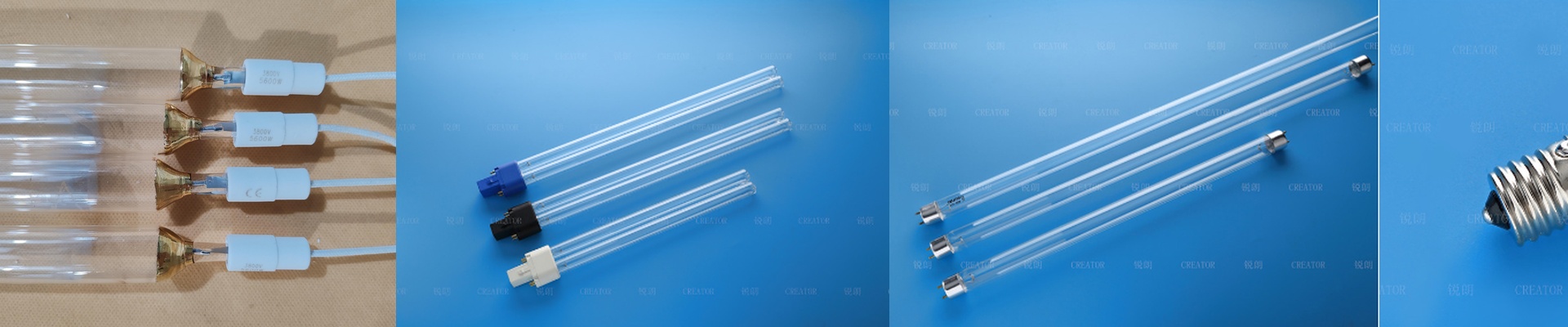
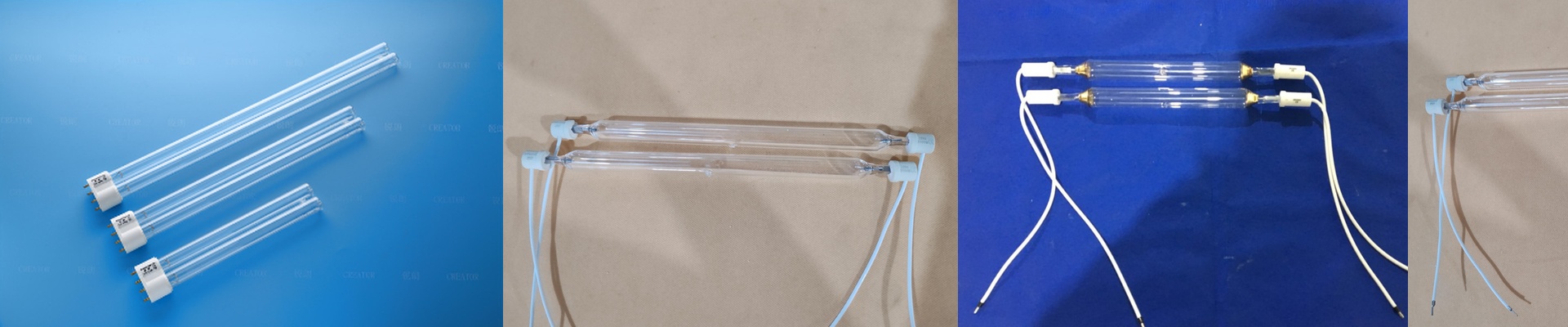
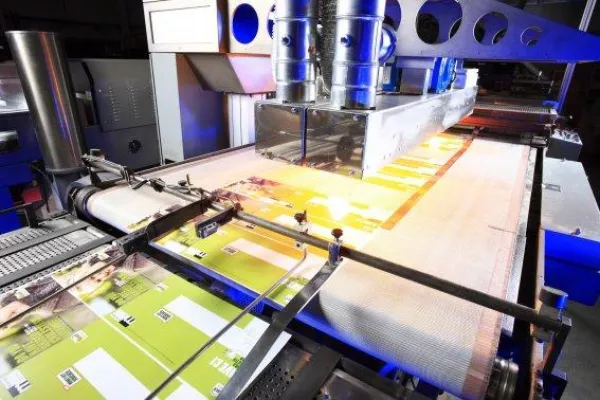
Most people see CE certification as just another piece of paperwork to check off a list. A boring bureaucratic hoop to jump through. But when you’re dealing with industrial UV curing, it’s a different story. When we build our long-life mercury UV tubes, that CE mark is basically our way of saying, “Don’t worry, this thing isn’t going to blow a fuse or leak toxins all over your factory floor.” What’s actually happening under the hood? These tubes live in a brutal environment. The heat is intense. To keep them from burning out way too early, we use high-purity quartz and very specific electrode alloys. Getting certified means we have to prove those materials can actually handle the voltage and current they’re rated for. It’s not about the stamp on the box. It’s about making sure the glass is strong enough and the mercury vapor pressure stays steady. If you get this wrong, you end up with a lamp that flickers or just dies on you when you need it most. Avoiding the nightmare scenario If you’re selling or operating in Europe or North America, you can’t just wire up any old lamp. You need documented safety standards. Using non-certified tubes is a gamble. You’re risking electrical fires or ozone leaks that could land you in hot water with workplace safety inspectors. We look at the CE mark as a passport. It shows the world that we’ve nailed the mercury seal and the insulation. The honest trade-off Here’s the thing: long-life tubes are built for stability, not for a sudden burst of peak intensity. You’re getting a lamp that lasts much longer, but it might take a little more time to ramp up to full power compared to those short-life, high-intensity burners. You just have to keep an eye on your conveyor speed and give the lamp a moment to warm up. For the engineers, the CE mark just makes life easier. It means you’ve got a part you can drop right in without triggering a massive safety audit. You plug it in, it works, and you don’t have to worry about it messing with the rest of your machine’s electrical setup. Simple.