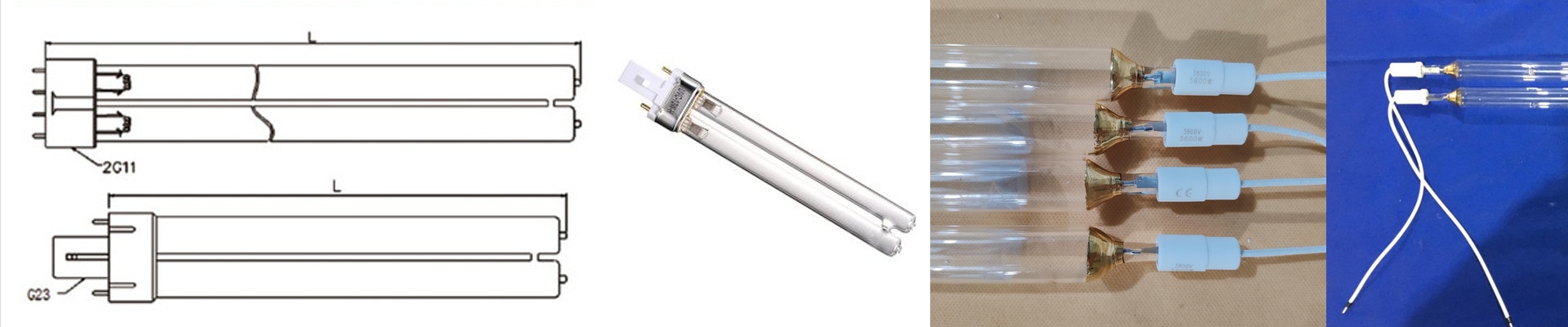
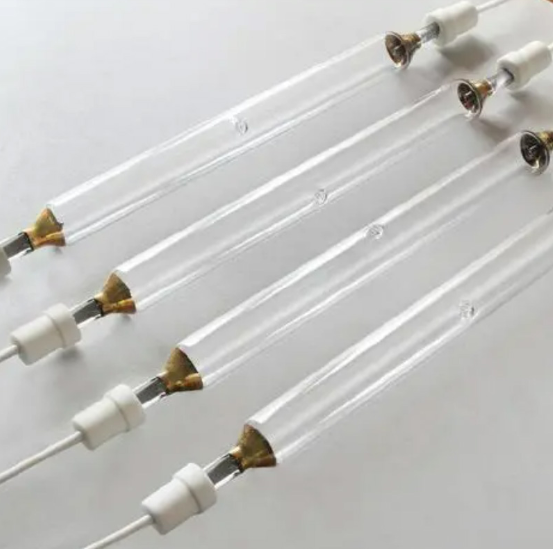
Getting the 120W/cm Mercury UV Lamp Right
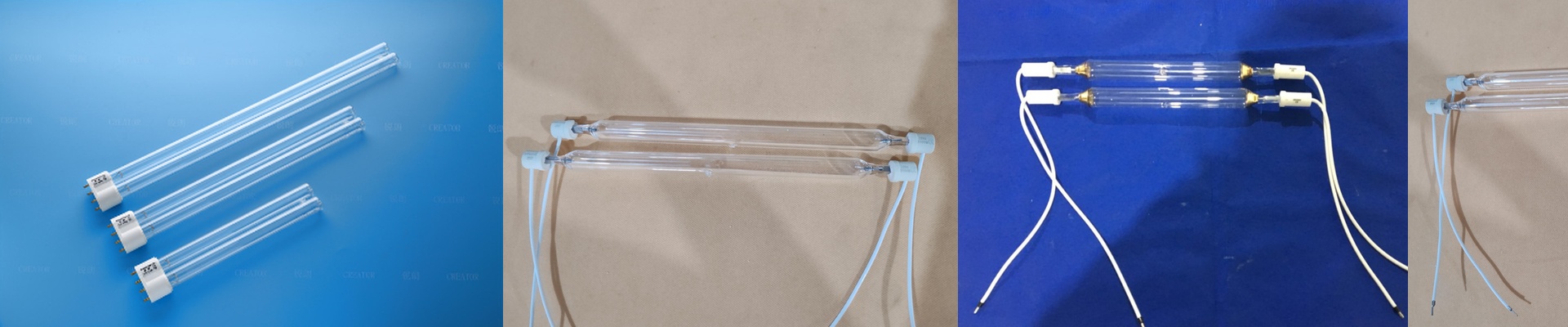
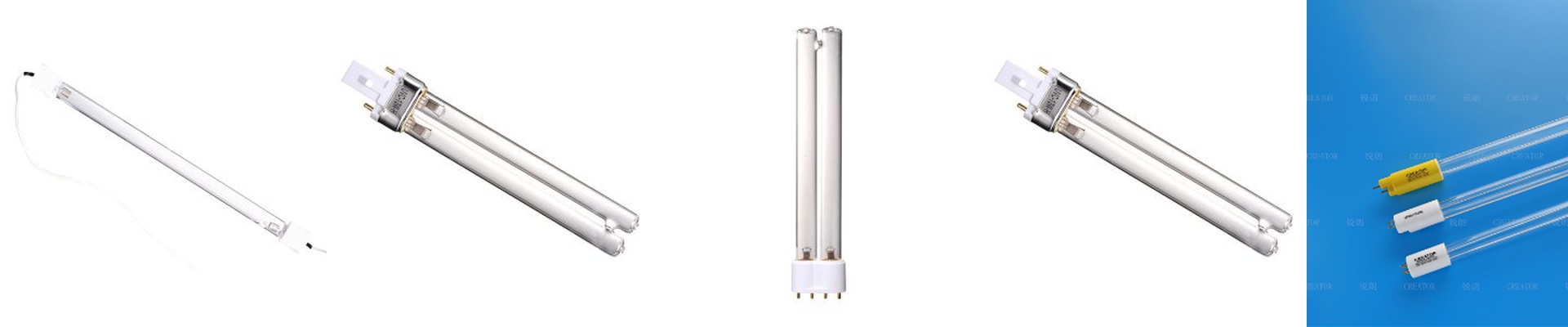
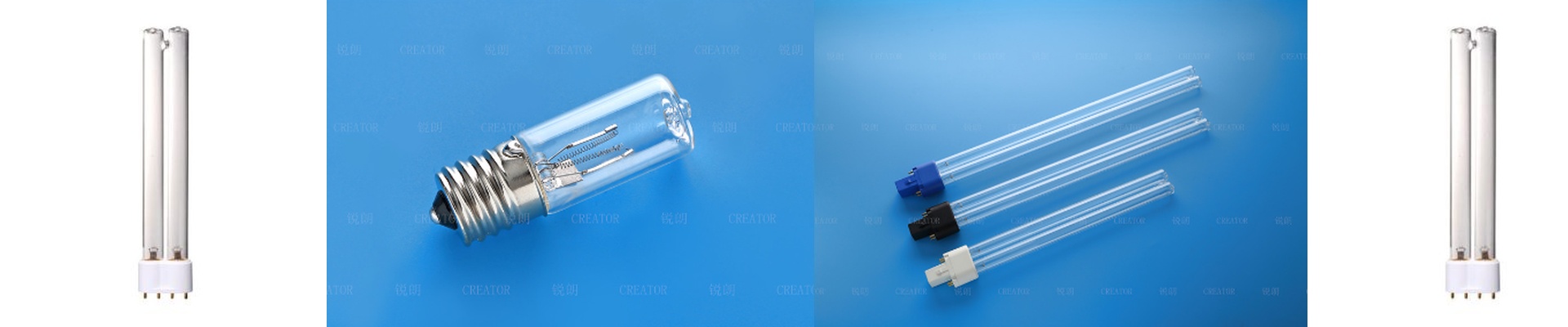
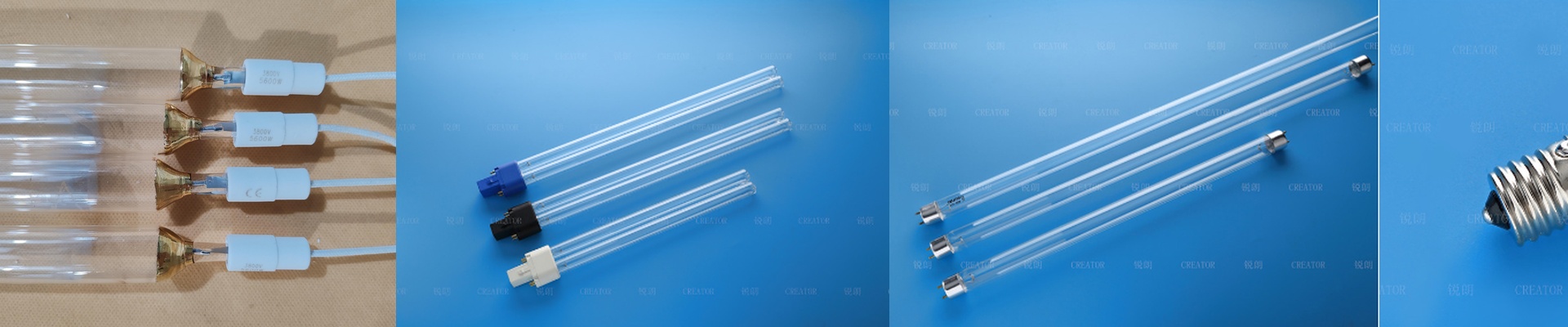
When we build our standard mercury UV lamps, we aim for a power density of 120 Watts per centimeter. We didn’t just pull that number out of a hat. It’s the “sweet spot.” It’s exactly what you need to get those thick, stubborn resins and industrial coatings to harden quickly without accidentally melting your substrate. The deal with power and light Hitting 120W/cm means we’re cramming a lot of energy into a very small space. These lamps work by creating specific peaks of light—mostly at 254nm and 365nm. We spend a lot of time tweaking the internal pressure and the shape of the electrodes to keep those peaks steady. Why? Because if that power dips, your cure time drags on. And nobody wants to pull a part off the line only to find the surface is still tacky to the touch. Dealing with the heat Let’s be honest: these things get incredibly hot. To keep the lamp from burning out early, we use high-purity fused quartz for the envelope. It’s tough. It lets the UV light through while taking a serious beating from the thermal stress. One quick tip: make sure you’re using a stabilized power supply. If your voltage jumps around, your light output shifts, and your cure rate goes out the window. A dedicated ballast is the way to go if you want a stable arc. Real-world use and the trade-offs You’ll mostly find these in semiconductor lithography or on conveyor lines. They’re great because you can usually just swap them into older medium-pressure systems without a headache. But there’s a catch. Because the energy is so concentrated, you can’t just shove the lamp right up against your product. Do that, and you’ll likely scorch the material or cause it to shrink. And please, don’t skimp on the cooling. Whether you use air or a water jacket, it needs to be beefy enough to handle the infrared heat. If your cooling fails, you’re essentially cutting the life of your lamp in half.