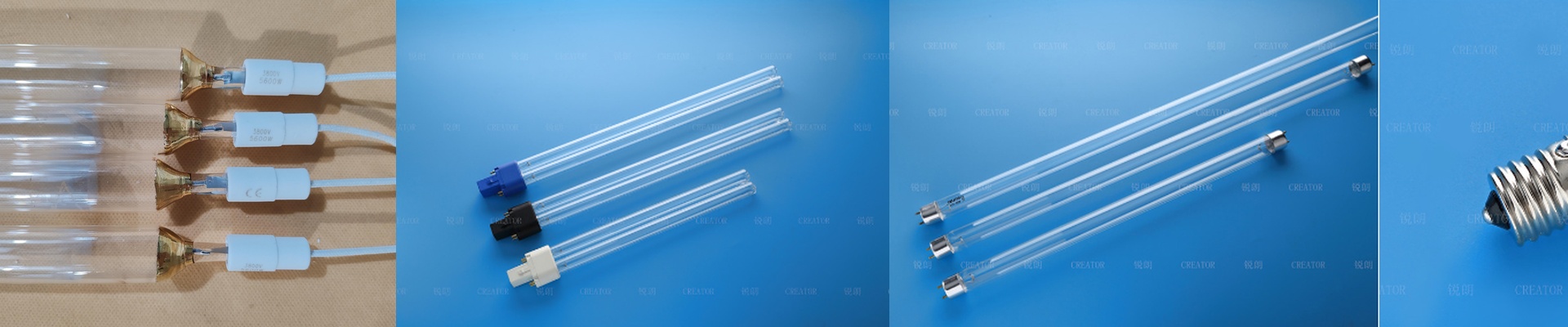
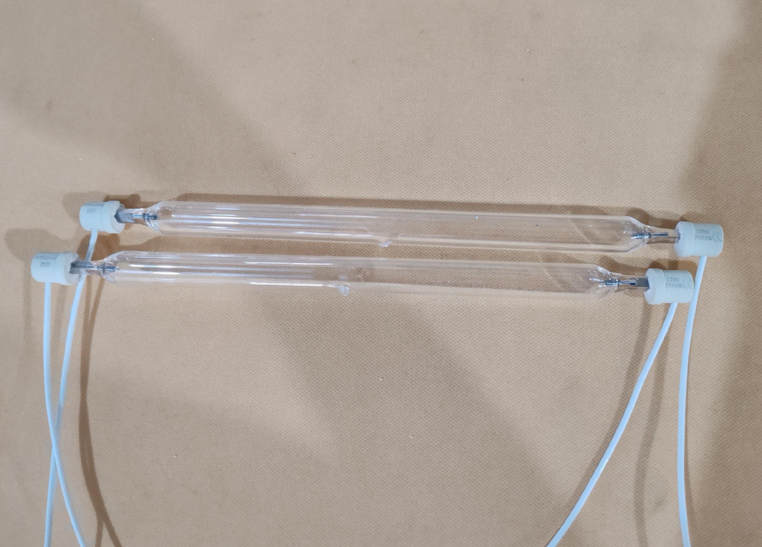
On the floor, “print-and-dry” in screen isn’t a tagline. It’s what keeps the line moving. If the cure can’t keep up, the conveyor starts backing up, pinholes show up, and ink transfer falls apart. High-response UV is the hinge on the whole operation. The real question is which source gives you repeatable, instant cure: the mercury vapor lamp or the UV LED array. What matters, technically Mercury lamps put out a broad spectrum, with strong peaks at 365 nm, 405 nm, and other lines, so you hit multiple photoinitiators at once. With a dichroic reflector and stable arc control, peak irradiance stays predictable across the arc length, and you get the kind of energy density that can drive through thick deposits. UV LED cures at narrow wavelengths—typically 365 nm, 385 nm, 405 nm—turns on and off almost instantly, runs cooler, and has a slow, controlled lumen-degradation curve. You get tens of thousands of hours of life, and output stays stable right at the die. Energy use drops because there’s no warm-up and no idling power. Why it works where we work In screen, fast response is what keeps production continuous. LEDs hit full output the second you need it, so the first sheet cures the same as the hundredth, and you stop losing time to lamp warm-up. Mercury still shines when the ink stack is thick and needs deep cross-linking, or when multiple initiators need broad-band excitation. That high peak irradiance can push cure through pigments and substrates that LEDs have a harder time with. If you’re chasing consistent, low-heat runs with a high duty cycle, LED makes sense. If the deposit geometry and spectral demand call for brute-force through-cure, mercury is the call. Here are the details you can’t skip LED curing forces you to get the optics right: a uniform, high-peak profile with enough mJ/cm² across the web. Expect to manage heat more tightly—heat sinks, airflow, and mounting tolerances all shape output and life. Mercury systems mean reflector alignment and a planned lamp replacement schedule; output falls off as the arc ages, and ozone management is part of the design. Match the spectrum to the photoinitiator, then validate with a radiometer: measure peak irradiance and energy density at line speed.
บนพื้นที่ผลิต “พิมพ์และแห้งทันที” ในสกรีนไม่ใช่แค่คำโฆษณา แต่นี่คือสิ่งที่ทำให้สายการผลิตเดินหน้าได้ หากการบ่มไม่ทัน สายพานลำเลียงจะเริ่มค้าง มีรูพรุนปรากฏ และการถ่ายเทหมึกล้มเหลว รังสี UV ที่ตอบสนองเร็วคือจุดหมุนของการทำงานทั้งหมด คำถามที่แท้จริงคือแหล่งกำเนิดใดให้การบ่มที่ซ้ำได้และทันที: หลอดไอปรอทหรือชุด UV LED
สิ่งที่มีความสำคัญทางเทคนิค
หลอดไอปรอทปล่อยสเปกตรัมกว้าง โดยมีจุดสูงสุดที่ 365 nm, 405 nm และเส้นอื่น ๆ ทำให้สามารถกระตุ้นโฟโตอินิชิเอเตอร์หลายตัวพร้อมกัน ด้วยรีเฟลกเตอร์ไดโครอิคและการควบคุมอาร์คที่เสถียร ความเข้มรังสีสูงสุดจะคงที่ตลอดความยาวอาร์ค และให้ความหนาแน่นพลังงานที่สามารถเจาะผ่านชั้นหมึกหนาได้ UV LED บ่มที่ความยาวคลื่นแคบ ๆ โดยทั่วไปที่ 365 nm, 385 nm, 405 nm เปิด-ปิดเกือบทันที ทำงานเย็นกว่า และมีเส้นโค้งการลดทอนของลูเมนที่ช้าและควบคุมได้ อายุการใช้งานนับหมื่นชั่วโมงและเอาต์พุตคงที่ตรงที่ไดซ์ การใช้พลังงานลดลงเพราะไม่มีการวอร์มอัพและไม่มีการใช้พลังงานในขณะไอดิ้ง
ทำไมจึงเหมาะกับงานที่เราทำ
ในงานสกรีน การตอบสนองที่รวดเร็วคือสิ่งที่ทำให้การผลิตต่อเนื่องได้ LEDs ให้เอาต์พุตเต็มที่ทันทีที่ต้องการ ดังนั้นแผ่นแรกจึงบ่มได้เหมือนแผ่นที่ร้อย และคุณหยุดเสียเวลาไปกับการวอร์มอัพหลอด ไอปรอทยังคงได้เปรียบเมื่อชั้นหมึกหนาและต้องการการเชื่อมโยงข้ามลึก หรือเมื่อโฟโตอินิชิเอเตอร์หลายตัวต้องการการกระตุ้นแบบสเปกตรัมกว้าง ความเข้มรังสีสูงสุดนี้สามารถผลักดันการบ่มผ่านเม็ดสีและวัสดุรองรับที่ LEDs ทำได้ยากกว่า หากคุณต้องการการผลิตที่สม่ำเสมอ ใช้ความร้อนต่ำ และมีรอบการใช้งานสูง LED คือทางเลือกที่เหมาะสม หากรูปทรงของชั้นหมึกและความต้องการสเปกตรัมต้องการการบ่มแบบแรงดันสูง ไอปรอทคือคำตอบ
รายละเอียดที่ไม่ควรมองข้าม
การบ่มด้วย LED บังคับให้ต้องออกแบบออพติกส์ให้ถูกต้อง: โปรไฟล์ที่สม่ำเสมอและมีจุดสูงสุดของรังสีที่สูงพร้อมพลังงาน mJ/cm² เพียงพอตลอดความกว้างของวัสดุ ควรจัดการความร้อนอย่างเข้มงวด—ฮีตซิงก์ การไหลของอากาศ และค่าความคลาดเคลื่อนในการติดตั้งทั้งหมดส่งผลต่อเอาต์พุตและอายุการใช้งาน ระบบไอปรอทหมายถึงการจัดแนวรีเฟลกเตอร์และตารางการเปลี่ยนหลอดที่วางแผนไว้ เอาต์พุตจะลดลงเมื่ออาร์คแก่ตัวลง และการจัดการโอโซนเป็นส่วนหนึ่งของการออกแบบ จับคู่สเปกตรัมกับโฟโตอินิชิเอเตอร์แล้วตรวจสอบด้วยเรเดียมิเตอร์: วัดความเข้มรังสีสูงสุดและความหนาแน่นพลังงานที่ความเร็วสายการผลิต