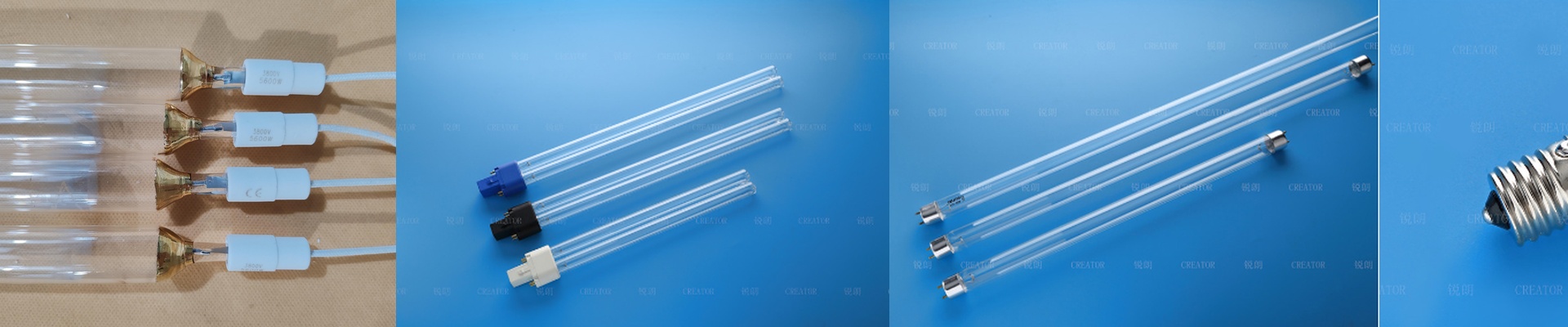
Getting Your PCB Lines Right with Gallium Iodide Lamps
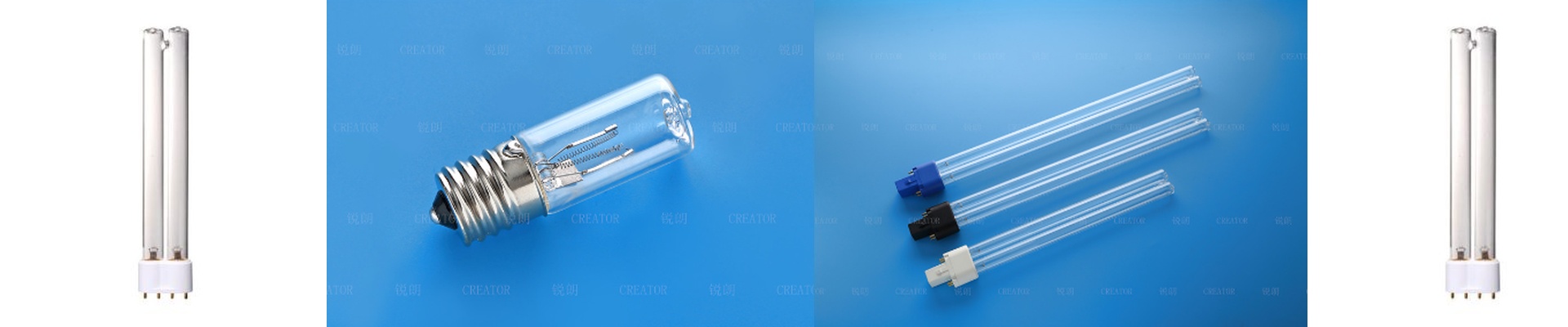
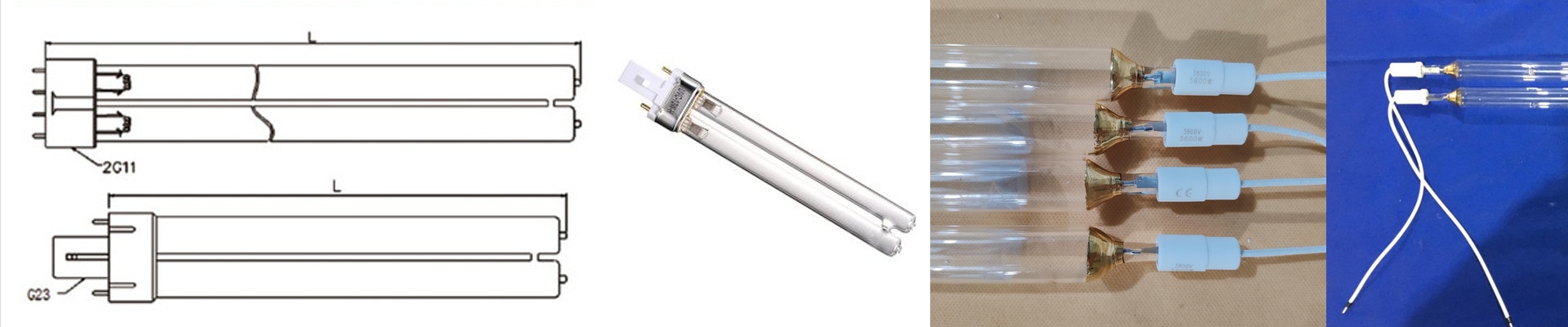
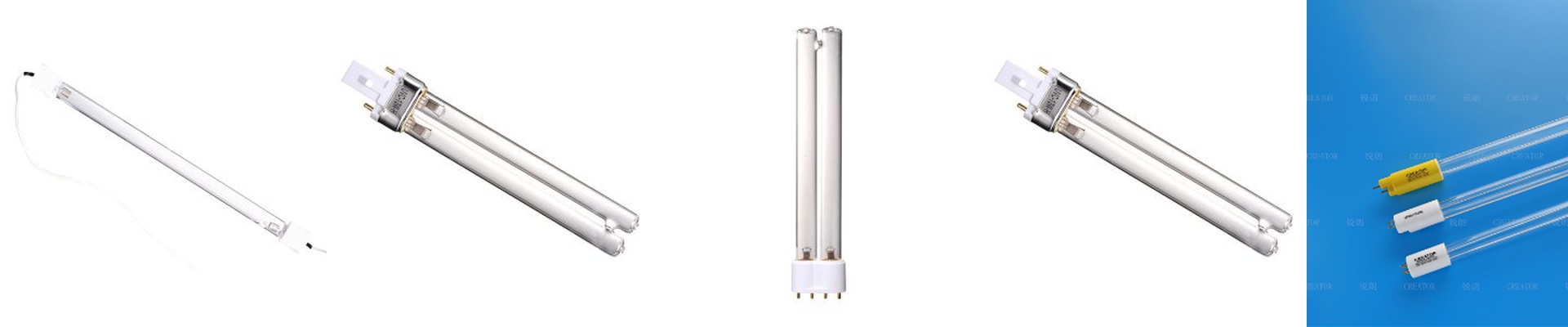
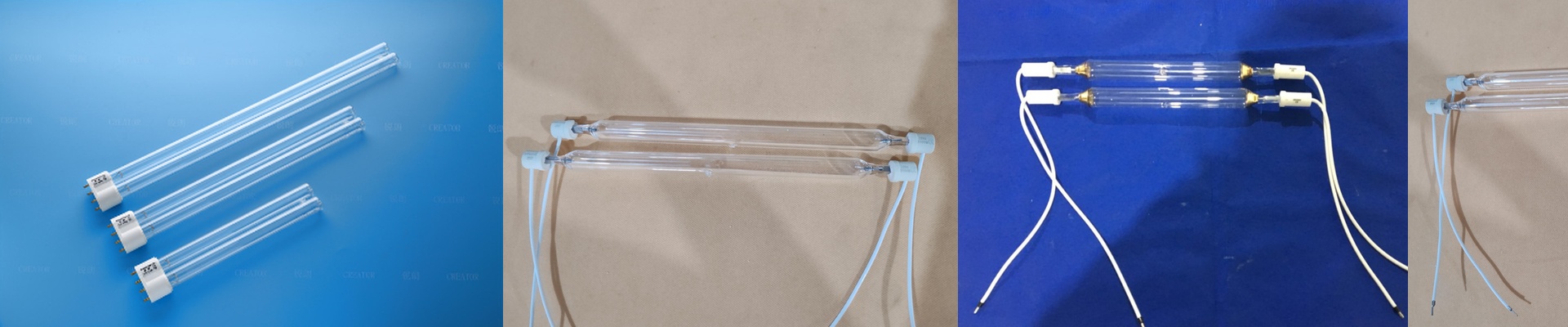
If you’re in the PCB world, you know that photoresist exposure is where things either go perfectly or turn into a total mess. That’s where Gallium Iodide (GaI) lamps come in. Unlike your run-of-the-mill UV lamps, these guys focus all their energy right between 250nm and 350nm. It’s a sweet spot. It triggers the chemical reaction in the photoresist exactly how it should, without digging too deep into the substrate. Why the spectrum actually matters Here’s the thing: if your light bleeds, your line-widths get sloppy. Nobody wants “blurry” circuit patterns. We spend a lot of time obsessing over gas pressure and electrode geometry to keep that GaI peak sharp. We want the light concentrated. When you stop the long-wave UV from leaking, you get those crisp, clean lines that make a board actually work. The heat struggle Let’s be honest—these lamps run hot. Really hot. You’ve got high wattage squeezed into a narrow quartz envelope, which puts a ton of stress on the glass. To stop the tubes from cracking during those rapid heat cycles, we use high-purity fused quartz. But a word of advice: stick to our ballast specs. It’s tempting to over-drive the lamp to get more intensity, but you’ll just fry your electrodes. It’s a simple trade-off. You can have more power, or you can have a lamp that lasts. You can’t have both. Fitting them into your line We built these to be drop-in replacements for the big international brands. The footprint is standard, so you don’t have to mess around re-tooling your exposure frames. Just swap them in and go. One quick tip: keep your cooling fans clean. If dust builds up and the tube surface temperature spikes, the gallium iodide compound starts to degrade. That means your UV output drops and your yield suffers. We’ve spent 15 years tweaking the fill-gas ratios so the light stays steady from one end of the tube to the other. No “dark spots,” no guesswork. Just consistent boards, batch after batch.